
Plantar Fasciitis Treatment in Mississauga
Heel pain can make walking, standing, exercising, or getting out of bed in the morning uncomfortable and frustrating.
At Dynamic Physiotherapy & Sports Injury Clinic in Mississauga, we help patients with plantar fasciitis and heel pain through personalized physiotherapy assessment, guided rehabilitation, mobility work, strengthening, footwear guidance, and treatment options such as shockwave
therapy when appropriate.
Our goal is to understand what may be contributing to your foot pain, reduce irritation, improve movement, and help you return to daily activity with more comfort and confidence.
Why Plantar Fasciitis and Heel Pain Happen
Plantar fasciitis is commonly associated with pain around the bottom of the heel or arch of the foot. Many people notice symptoms first thing in the morning, after long periods of standing, after walking, or when returning to activity.
The plantar fascia is a strong band of tissue that helps support the arch of the foot. When it becomes irritated or overloaded, it can create pain, stiffness, and sensitivity through the heel or bottom of the foot.
Plantar fasciitis may be influenced by several factors, including foot mechanics, calf tightness, sudden activity changes, footwear, long periods of standing, running, weight-bearing demands, weakness, reduced ankle mobility, or previous injury.
Because heel pain can have different contributing factors, proper assessment is important before choosing treatment.
Common Factors That May Contribute
Foot mechanics and arch function
Calf tightness and limited ankle mobility
Sudden increases in activity or training
Unsupportive or worn footwear
Long periods of standing or walking
Running and weight-bearing demands
Weakness in the foot, ankle, or hip
Previous foot, ankle, or lower limb injury
Common Plantar Fasciitis Symptoms
Plantar fasciitis can affect walking, standing, exercise, and daily comfort.
Morning Heel Pain
Pain may feel worse during the first few steps after getting out of bed.
Pain After Standing
Heel or arch discomfort may increase after long periods of standing or walking.
Pain in the Bottom of the Foot
Symptoms often appear under the heel or along the arch of the foot.
Tightness in the Calf or Foot
Calf tightness or limited ankle mobility may contribute to strain through the plantar fascia.
Pain With Walking or Running
Plantar fasciitis may make walking, running, exercise, or sports activity more difficult.
Symptoms That Keep Returning
Heel pain may return when the underlying cause is not properly addressed.
Heel Pain Recovery Requires More Than Rest
Rest may reduce heel pain temporarily, but symptoms often return when walking, standing, running, or activity increases again.
For many patients, plantar fasciitis is linked to repeated loading through the foot and ankle. If calf tightness, poor foot mechanics, weakness, footwear, reduced mobility, or activity overload are contributing to the pain, rest alone may not be enough.
A personalized treatment plan helps address both the irritated tissue and the factors placing stress on the foot. This may include guided stretching, strengthening, mobility work, load management, footwear advice, orthotic support, or shockwave therapy when appropriate.
Serving Mississauga Since 1996
Our Approach to Plantar Fasciitis Treatment
At Dynamic Physiotherapy, plantar fasciitis treatment is based on assessment, symptoms, activity demands, and recovery goals.
1
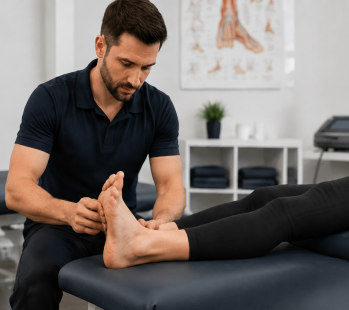
Assessment
We assess your heel pain,foot mechanics, ankle mobility, calf tightness, walking pattern, footwear, activity level, and pain triggers.
2
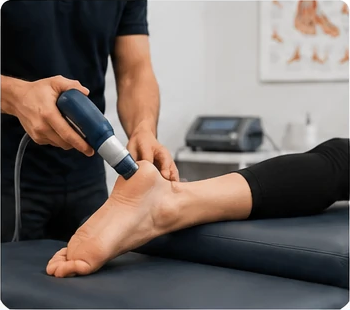
Symptom Relief
Treatment may focus on reducing irritation, improving comfort, and helping you manage painful daily activities.

3
Rehab and Mobility
Your plan may include stretching, strengthening, mobility work, balance training, and guided foot and ankle exercises.

4
Long-Term Support
We help address contributing factors such as footwear, standing demands, activity progression, and recurring overload.
Plantar Fasciitis Treatment May Include
Your treatment plan will depend on your assessment findings and how your symptoms respond.
Physiotherapy
Physiotherapy may help address foot mechanics, ankle mobility, strength, walking tolerance, and activity-related pain.
Shockwave Therapy
Shockwave therapy may be considered for persistent plantar fascia-related heel pain when appropriate.
Stretching and Mobility Work
Calf, ankle, and foot mobility exercises may help reduce strain through the plantar fascia.
Strengthening Exercises
Foot, ankle, calf, and hip strengthening may help improve support and reduce recurring overload.
Footwear and Activity Guidance
Footwear changes, activity pacing, and load management may help reduce repeated irritation.
Custom Orthotics
Custom orthotics may help support foot mechanics and reduce stress through the foot when clinically appropriate.
Plantar Fasciitis Care May Connect With These Services
Depending on your symptoms, plantar fasciitis treatment may involve physiotherapy, shockwave therapy, orthotic support, or broader injury recovery planning.
Physiotherapy
A personalized physiotherapy plan can help address heel pain, foot mechanics, strength, and mobility.
Shockwave Therapy
Shockwave therapy may be used for certain chronic plantar fascia and heel pain concerns.
Sports Injury
Plantar fasciitis may affect runners, gym users, athletes, and active adults.
Custom Orthotics
Orthotics may help support foot alignment, pressure distribution, and recurring foot or heel pain concerns.
Chronic Pain
Persistent heel pain may require a structured plan that looks at loading, tissue irritation, activity, and movement habits.
Lower Back Pain
Foot mechanics and walking changes may sometimes contribute to broader lower body or back discomfort.
Who Can Benefit From Plantar Fasciitis Treatment?
Plantar fasciitis treatment may be helpful for people experiencing heel pain, arch pain, foot stiffness, or difficulty walking and standing comfortably.
This may include:
- people with morning heel pain
- workers who stand or walk for long periods
- runners and active adults
- people with recurring foot or heel pain
- individuals with calf tightness or ankle stiffness
- people whose pain returns after rest
- patients with pain during walking, running, or exercise
- people who recently changed footwear or activity level
- individuals considering shockwave therapy for heel pain
- people who may benefit from orthotic assessment
A proper assessment can help determine what is contributing to your heel pain and what treatment options may be appropriate.
Take the Next Step Toward Heel Pain Relief
If heel pain is affecting your walking, standing, work, exercise, or morning routine, a proper
assessment can help clarify the next step.
Dynamic Physiotherapy & Sports Injury Clinic provides plantar fasciitis treatment in
Mississauga with assessment-based care, guided rehabilitation, and treatment options such as shockwave therapy when appropriate.
FAQS
Plantar Fasciitis Treatment FAQs
What does plantar fasciitis feel like?
Plantar fasciitis often causes pain under the heel or arch of the foot, especially during the first steps in the morning or after long periods of standing.
Can physiotherapy help plantar fasciitis?
Physiotherapy may help by addressing foot mechanics, calf tightness, ankle mobility, strength, walking tolerance, and activity-related strain.
Can shockwave therapy help plantar fasciitis?
Shockwave therapy may be considered for persistent plantar fascia-related heel pain. A proper assessment can help determine if it is appropriate.
Do I need custom orthotics for plantar fasciitis?
Some patients may benefit from custom orthotics, especially when foot mechanics or pressure distribution are contributing to heel pain. Not everyone needs orthotics.
Why is plantar fasciitis worse in the morning?
Morning pain may occur because the plantar fascia and calf tissues stiffen during rest, making the first few steps more uncomfortable.
How long does plantar fasciitis take to improve?
Recovery depends on how long symptoms have been present, activity demands, footwear, contributing factors, and how your body responds to treatment.
Book Plantar Fasciitis Treatment in Mississauga
If you are dealing with heel pain, foot pain, morning pain, or discomfort when walking and standing, Dynamic Physiotherapy & Sports Injury Clinic can help.
Our Mississauga physiotherapy team provides personalized assessment, guided rehab, shockwave therapy when appropriate, and practical recovery planning to support your return to movement.