
Physiotherapy & Sports Injury Clinic in Mississauga

At Dynamic Physiotherapy in Mississauga, our physiotherapists are well-versed in all treatments & provide the best clinic atmosphere for your recovery. Call us or Book an appointment today.

Dynamic Physiotherapy Services

We offer a comprehensive range of services that are tailored to each individual's needs, delivered by highly skilled professionals, and enhanced by state-of-the-art equipment for an optimized and expedited healing process.

Dynamic Physiotherapy Programs

We provide personalized and condition-specific programs, designed to expedite your recovery, ensure optimal results, and help you regain full functionality in the shortest possible time.

Dynamic Physiotherapy Products

We offer a curated selection of products, carefully chosen to support your healing journey, manage pain, and enhance your physiotherapy treatment outcomes.

Conditions We Treat

We have a vast expertise in treating a wide range of conditions, offering specialized and personalized treatment plans to help clients of all ages achieve improved health and enhanced quality of life.

Dynamic Physiotherapy in Mississauga

Welcome to Dynamic Physiotherapy


Here at Dynamic Physiotherapy in Mississauga, we pride ourselves in providing the most in-depth and effective treatments for a variety of conditions.

With several years of shared experience, our Mississauga team of physiotherapists, massage therapists, acupuncturists, and support staff are well-versed in all modern techniques and will provide a comfortable, encouraging atmosphere for your recovery.

Before your treatment begins, you will be assessed by one of our Regulated Health Professionals who will examine your injury or condition and provide a plan for rehabilitation and correction. Our facilities are clean, easy to get to, and equipped with state-of-the-art equipment to meet all of your needs.

LEARN MORE

A Mississauga, ON Physiotherapist winner of the Patients' Choice Awards. Verified by Opencare.com

State-of-the-art Facilities

Experience faster healing with our cutting-edge facilities at Dynamic Physiotherapy.

Personalized Treatment

At Dynamic Physiotherapy, your treatment is as unique as you are.

Expert Staff

Experience a blend of expert care and exceptional service at Dynamic Physiotherapy

Our Service in Mississauga

Physiotherapy & Sports Injury Services

At Dynamic Physiotherapy we provide in-depth, effective treatments for a variety of conditions. Our Mississauga team of physiotherapists, massage therapists, and acupuncturists take a multi-disciplinary approach to treatment using modern techniques designed to see the most positive outcomes.

Physiotherapy

Acupuncture

Myofascial Release

Massage Therapy

Custom Made Foot Orthotics

Compression Socks / Stockings

Electro-Acuscope Pain Management System

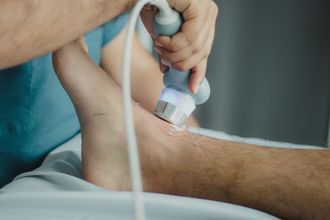
Shockwave Therapy Mississauga

Solution for your issue

We Proudly Give Quality Treatments & Programs


Our physiotherapist owned and operated clinic was opened in 1996. Our goal is to provide a positive treatment experience for each client starting with a thorough assessment and personalized treatment plan. We only recommend services and/or products that will help facilitate your healing and manage pain and symptoms provided by those with professional training in their respective field. We use the latest equipment and techniques in order to ensure the fastest possible healing. As physiotherapists Mississauga patients trust, we will promote optimal mobility, overall health and wellness while helping to prevent injury.

24 Hours Emergency Services

Professional and Certified Therapists

Get A Consultation Anytime


720+

Happy Patients

27

Years of Experience

Mississauga Physiotherapy & Massage

At our Mississauga clinic, our physiotherapy and massage treatments work together to accelerate the healing and recovery process. Whether you are living with chronic pain, recovering from an accident or have motion and mobility issues, our holistic approach to healing is safe and performed at a pace your body can handle.

Treat Musculoskeletal Conditions

Rehabilitate after an accident, illness or age-related disease

Help return mobility

Through massage we can:

  • Relieve or reduce the symptoms of headaches and migraines
  • Relieve pain from sports injuries
  • Treat ligament or tendon problems including tennis elbow, carpal tunnel, and RSI
  • Relieve neck pain or whiplash
  • Reduce muscle stiffness, aches, and tension
  • Ease lower back problems and shoulder pain or stiffness
  • Treat hip, pelvic, and leg pain or dysfunction
BOOK AN APPOINTMENT

Programs We Offer

Specialized Programs At Our Clinic


Along with our general services, we provide a number of specialized programs in our Mississauga clinic aimed at helping patients recover from specific procedures and injuries. These programs will help patients tackle the most common consequences of these life events while achieving the best possible results for each patient. For more information about our in-depth therapy programs, please use the links provided:

Testimonial

What Our Patients Say?


I have gone for a few sessions of a couple of different services at Dynamic Physiotherapy now and they have been fantastic. Robert and his staff are very professional and friendly. They take great care of their customers and I would highly recommend them to my friends & family.

Patrick Sirrs

HAPPY PATIENT

Long time happy customer! Been going for over 20 years. Robert and Kasia listen and help with your needs to get you back to 100 percent. From needed physio from an injury or to a massage to help with back pain. Truly the best clinic in the GTA!

Victoria Szewczyk

HAPPY PATIENT

READ ALL TESTIMONIALS

We're here to help you.

Start Up Your Health Consultation With Us


We want to know your needs exactly so that we can provide the perfect solution. Let us know what you want and we’ll do our best to help.

PHONE NUMBER:

905-273-5433
robert.dynamicphysiotherapy@gmail.com

CLINIC LOCATION:

89 Queensway West Suite 100 Main Floor, Mississauga ON L5B 2V2

Working Hours:

Mon-Friday 10:30 AM - 07:00 PM, Tue 10:30 AM - 05:00 PM

Sat 10:00 AM - 02:00 PM, Sun Closed

CALL US TODAY

Home - Website Form

Frequently Asked Questions


Do you have a question about our service? Do not hesitate to give us a call and also consult our list of frequently asked questions!

  • Do I need a referral to see a health practitioner?

    To see any of our health practitioners we do not require a doctor’s referral. However some services that are covered by your extended health plan may require a doctor’s referral in order to be reimbursed for expenses.

  • How long does it take to book an appointment?

    We are able to make an appointment for you usually within 24-48 hours.

  • Are all health practitioners regulated?

    Yes, all our physiotherapists, massage therapists, and acupuncturists are all regulated in the province of Ontario.

  • Is direct billing available to insurance?

    Direct billing is available to some insurance companies. Currently most plans from Sunlife, Great West Life and Manulife (beginning Jan.1.14) offer direct billing. All insurance plans related to Motor Vehicle Accident claims allow direct billing. If the claim is an accident that is work related, Workplace Safety and Insurance Board also allows direct billing.

  • Is Parking available?

    Parking is readily available, and free for up to one hour (some conditions apply).

Article

Latest Tip & Article


February 24, 2026
When pain, stiffness, or movement issues appear, many people are unsure whether they should see a physiotherapist or a massage therapist. Both play important roles in musculoskeletal care, but they serve different purposes and are suited to different needs. Understanding the difference between physiotherapy and massage therapy can help you choose the right treatment, avoid delays in recovery, and achieve longer-lasting results. At Dynamic Physiotherapy in Mississauga, we often see patients who tried massage first and experienced temporary relief, only to find their pain returning. This blog explains why that happens and how physiotherapy differs in its approach to assessment, treatment, and long-term recovery. Massage therapy primarily focuses on soft tissue manipulation. It aims to reduce muscle tension, improve circulation, and promote relaxation. For many people, massage can be very helpful for stress relief, general muscle soreness, and short-term discomfort. It can reduce tightness and temporarily improve how the body feels. However, massage therapy does not typically assess joint mechanics, movement patterns, strength imbalances, or neurological involvement. This means that while symptoms may improve, the underlying cause of pain often remains unaddressed. Physiotherapy, on the other hand, is a regulated healthcare profession focused on diagnosing and treating movement dysfunction. Physiotherapists perform a comprehensive assessment that looks at how joints move, how muscles activate, how posture and alignment affect the body, and how injuries or pain influence movement patterns. The goal of physiotherapy is not only to reduce pain, but to restore proper function and prevent recurrence. This is why physiotherapy is often the recommended first step when pain is persistent, worsening, or related to injury. One of the biggest differences between physiotherapy and massage therapy is assessment. In physiotherapy, treatment begins with a detailed evaluation of your medical history, symptoms, movement patterns, strength, flexibility, and functional limitations. This assessment helps identify the root cause of pain rather than just the location of discomfort. For example, shoulder pain may actually be caused by poor posture, weak scapular muscles, or restricted movement in the upper back. Massage may temporarily ease shoulder tightness, but physiotherapy addresses the mechanical and functional issues that caused the pain in the first place. Treatment goals also differ significantly. Massage therapy is often passive, meaning the patient receives treatment without actively participating in the process. While this can feel relieving, it does not retrain the body. Physiotherapy is an active process. Manual therapy may be used to improve mobility and reduce pain, but it is combined with therapeutic exercise, movement retraining, and education. This active approach builds strength, improves coordination, and teaches the body how to move efficiently again, which is essential for lasting recovery. Another key distinction is how each approach handles injuries. Acute and chronic injuries require structured rehabilitation to heal properly. Physiotherapy is designed to guide tissue healing, restore range of motion, rebuild strength, and safely return individuals to work, sport, or daily activities. This includes managing load progression, preventing re-injury, and addressing compensations that develop after pain or trauma. Massage therapy does not typically include progressive rehabilitation or return-to-activity planning, which is why injuries may improve briefly but then flare up again. Pain that keeps returning is often a sign that the underlying issue has not been resolved. Many patients experience a cycle of temporary relief followed by recurrence when relying on passive treatments alone. Physiotherapy breaks this cycle by identifying why pain returns and addressing contributing factors such as poor posture, muscle imbalances, joint stiffness, or faulty movement patterns. This is especially important for conditions like lower back pain, neck pain, shoulder impingement, knee pain, and repetitive strain injuries. There are situations where massage therapy and physiotherapy work well together. Massage can be an excellent complement to physiotherapy by helping reduce muscle tension and improve comfort, allowing patients to engage more effectively in rehabilitation exercises. At Dynamic Physiotherapy in Mississauga, we may recommend massage as part of a broader treatment plan when appropriate. The key difference is that massage is used strategically rather than as a standalone solution for injury or dysfunction. Another important consideration is long-term outcomes. Physiotherapy focuses on prevention as much as recovery. Education on posture, ergonomics, movement strategies, and self-management empowers patients to maintain progress outside the clinic. This proactive approach reduces dependence on ongoing treatment and supports long-term musculoskeletal health. Massage therapy, while beneficial for relaxation and symptom relief, does not typically provide the tools needed to prevent future issues. Choosing between physiotherapy and massage therapy depends on your goals and symptoms. If you are dealing with ongoing pain, recovering from an injury or surgery, experiencing movement limitations, or noticing that discomfort keeps coming back, physiotherapy is usually the more appropriate starting point. If your goal is relaxation, stress relief, or temporary muscle tension reduction, massage therapy may be helpful. Understanding this distinction can save time, reduce frustration, and lead to better outcomes. At Dynamic Physiotherapy in Mississauga, our team takes the time to guide patients toward the care that best supports their recovery. We focus on treating the root cause of pain, restoring movement, and helping patients return to their daily activities with confidence. If you are unsure which treatment is right for you, a physiotherapy assessment can provide clarity and direction. If you are experiencing pain, stiffness, or movement issues and want a solution that goes beyond temporary relief, physiotherapy may be the right choice. Contact Dynamic Physiotherapy in Mississauga at (905) 273-5433 or visit www.dynamicphysiotherapy.ca to book an assessment and take the next step toward lasting recovery.
By Robert Wodz February 23, 2026
Struggling with low back pain in Mississauga? Dynamic Physiotherapy treats the root cause with personalized rehab and shockwave therapy for lasting relief.
February 17, 2026
One of the most frustrating experiences after an injury is thinking you have recovered, only to feel the same pain return weeks or months later. Many people assume recurring pain means they re-injured themselves or that their body is simply “wearing out.” In reality, recurring pain after injury is usually a sign that healing was incomplete or that underlying movement issues were never fully addressed. Physiotherapy is specifically designed to break this cycle by identifying why pain returns and correcting the factors that keep it coming back. At Dynamic Physiotherapy in Mississauga, we help patients move beyond short-term relief and achieve lasting recovery. When an injury first occurs, the body responds by protecting the affected area. Muscles tighten, movement becomes guarded, and activity levels drop. This protective response is normal and helpful in the early stages of healing. However, if movement is not properly restored, the body learns new habits that place stress on other joints and muscles. These compensations may reduce pain temporarily but create new problems elsewhere. Over time, the original pain or a related issue resurfaces, often without a clear cause. Another reason pain returns is incomplete rehabilitation. Many injuries start to feel better before the tissues are fully healed or strong enough to handle daily demands. When activity is resumed too quickly without proper strength, mobility, and control, tissues are overloaded again. This is especially common with back pain, shoulder injuries, knee pain, and repetitive strain injuries. Physiotherapy addresses this by guiding recovery through structured phases rather than stopping treatment once pain subsides. Scar tissue and stiffness also play a major role in recurring pain. After injury or surgery, the body forms scar tissue as part of the healing process. While scar tissue is necessary, excessive or poorly organized scar tissue can restrict movement and alter how forces travel through the body. This leads to joint stiffness, muscle overuse, and recurring discomfort. Physiotherapy uses manual techniques and targeted movement to improve tissue mobility and restore normal mechanics, reducing strain on surrounding structures. Weakness and muscle imbalance are another major contributor to recurring pain. After injury, certain muscles often shut down or weaken, while others become overactive to compensate. For example, after a lower back injury, core and glute muscles may weaken, causing the spine to rely on passive structures for support. Pain may disappear temporarily, but without restoring strength and coordination, the area remains vulnerable. Physiotherapy focuses on reactivating and strengthening these key muscles so the body can handle load safely. Poor movement patterns are often at the center of recurring injuries. Many people unknowingly move in ways that place repeated stress on the same tissues. This can include poor posture, inefficient lifting mechanics, altered gait, or limited joint mobility. Physiotherapists assess how patients move during everyday tasks such as walking, bending, reaching, and sitting. By retraining these patterns, physiotherapy reduces repeated stress and helps prevent the same injury from returning. The nervous system also plays a role in persistent and recurring pain. After an injury, pain signals can become heightened, making the body more sensitive to normal movement or pressure. This sensitivity can cause flare-ups even when tissues are no longer damaged. Physiotherapy helps calm the nervous system through graded exposure to movement, consistent loading, and positive movement experiences. Over time, the nervous system relearns that movement is safe, reducing pain responses and flare-ups. At Dynamic Physiotherapy in Mississauga, breaking the cycle of recurring pain begins with a thorough assessment. We look beyond the site of pain to evaluate posture, joint mobility, muscle strength, movement patterns, and lifestyle factors. Understanding how your body moves as a whole allows us to identify the true contributors to recurring discomfort. This comprehensive approach is essential for long-term success. Treatment focuses on restoring movement, strength, and control in a progressive and sustainable way. Manual therapy helps improve mobility and reduce stiffness. Therapeutic exercise builds strength and resilience in vulnerable areas. Movement retraining addresses faulty mechanics that place stress on healing tissues. Education empowers patients to understand their bodies and make changes that support ongoing recovery. Advanced modalities may be used when appropriate to support tissue healing and pain reduction, but they are always part of a broader rehabilitation plan. One of the most important aspects of physiotherapy is helping patients return to activity safely. Whether the goal is work, sport, or daily life, returning too quickly or without proper guidance increases the risk of recurrence. Physiotherapists guide this process by gradually increasing load, monitoring response, and ensuring the body is prepared for real-world demands. This structured progression is often what separates temporary relief from lasting recovery. Recurring pain does not mean you are broken or that healing is impossible. It usually means the body has not yet been given the right tools to move well again. Physiotherapy provides those tools by addressing the root causes of pain rather than masking symptoms. With the right approach, many people who have lived with recurring pain for years are able to regain confidence, function, and comfort. If you are dealing with pain that keeps coming back after injury, physiotherapy may be the missing piece. At Dynamic Physiotherapy in Mississauga, our experienced team is committed to helping you break the cycle and move forward with confidence. Call (905) 273-5433 or visit www.dynamicphysiotherapy.ca to book an assessment and start working toward lasting relief.