
The Website Store • February 24, 2026
Physiotherapy vs Massage Therapy: Understanding the Difference and Choosing the Right Care
When pain, stiffness, or movement issues appear, many people are unsure whether they should see a physiotherapist or a massage therapist. Both play important roles in musculoskeletal care, but they serve different purposes and are suited to different needs. Understanding the difference between physiotherapy and massage therapy can help you choose the right treatment, avoid delays in recovery, and achieve longer-lasting results. At Dynamic Physiotherapy in Mississauga, we often see patients who tried massage first and experienced temporary relief, only to find their pain returning. This blog explains why that happens and how physiotherapy differs in its approach to assessment, treatment, and long-term recovery.
Massage therapy primarily focuses on soft tissue manipulation. It aims to reduce muscle tension, improve circulation, and promote relaxation. For many people, massage can be very helpful for stress relief, general muscle soreness, and short-term discomfort. It can reduce tightness and temporarily improve how the body feels. However, massage therapy does not typically assess joint mechanics, movement patterns, strength imbalances, or neurological involvement. This means that while symptoms may improve, the underlying cause of pain often remains unaddressed.
Physiotherapy, on the other hand, is a regulated healthcare profession focused on diagnosing and treating movement dysfunction. Physiotherapists perform a comprehensive assessment that looks at how joints move, how muscles activate, how posture and alignment affect the body, and how injuries or pain influence movement patterns. The goal of physiotherapy is not only to reduce pain, but to restore proper function and prevent recurrence. This is why physiotherapy is often the recommended first step when pain is persistent, worsening, or related to injury.
One of the biggest differences between physiotherapy and massage therapy is assessment. In physiotherapy, treatment begins with a detailed evaluation of your medical history, symptoms, movement patterns, strength, flexibility, and functional limitations. This assessment helps identify the root cause of pain rather than just the location of discomfort. For example, shoulder pain may actually be caused by poor posture, weak scapular muscles, or restricted movement in the upper back. Massage may temporarily ease shoulder tightness, but physiotherapy addresses the mechanical and functional issues that caused the pain in the first place.
Treatment goals also differ significantly. Massage therapy is often passive, meaning the patient receives treatment without actively participating in the process. While this can feel relieving, it does not retrain the body. Physiotherapy is an active process. Manual therapy may be used to improve mobility and reduce pain, but it is combined with therapeutic exercise, movement retraining, and education. This active approach builds strength, improves coordination, and teaches the body how to move efficiently again, which is essential for lasting recovery.
Another key distinction is how each approach handles injuries. Acute and chronic injuries require structured rehabilitation to heal properly. Physiotherapy is designed to guide tissue healing, restore range of motion, rebuild strength, and safely return individuals to work, sport, or daily activities. This includes managing load progression, preventing re-injury, and addressing compensations that develop after pain or trauma. Massage therapy does not typically include progressive rehabilitation or return-to-activity planning, which is why injuries may improve briefly but then flare up again.
Pain that keeps returning is often a sign that the underlying issue has not been resolved. Many patients experience a cycle of temporary relief followed by recurrence when relying on passive treatments alone. Physiotherapy breaks this cycle by identifying why pain returns and addressing contributing factors such as poor posture, muscle imbalances, joint stiffness, or faulty movement patterns. This is especially important for conditions like lower back pain, neck pain, shoulder impingement, knee pain, and repetitive strain injuries.
There are situations where massage therapy and physiotherapy work well together. Massage can be an excellent complement to physiotherapy by helping reduce muscle tension and improve comfort, allowing patients to engage more effectively in rehabilitation exercises. At Dynamic Physiotherapy in Mississauga, we may recommend massage as part of a broader treatment plan when appropriate. The key difference is that massage is used strategically rather than as a standalone solution for injury or dysfunction.
Another important consideration is long-term outcomes. Physiotherapy focuses on prevention as much as recovery. Education on posture, ergonomics, movement strategies, and self-management empowers patients to maintain progress outside the clinic. This proactive approach reduces dependence on ongoing treatment and supports long-term musculoskeletal health. Massage therapy, while beneficial for relaxation and symptom relief, does not typically provide the tools needed to prevent future issues.
Choosing between physiotherapy and massage therapy depends on your goals and symptoms. If you are dealing with ongoing pain, recovering from an injury or surgery, experiencing movement limitations, or noticing that discomfort keeps coming back, physiotherapy is usually the more appropriate starting point. If your goal is relaxation, stress relief, or temporary muscle tension reduction, massage therapy may be helpful. Understanding this distinction can save time, reduce frustration, and lead to better outcomes.
At Dynamic Physiotherapy in Mississauga, our team takes the time to guide patients toward the care that best supports their recovery. We focus on treating the root cause of pain, restoring movement, and helping patients return to their daily activities with confidence. If you are unsure which treatment is right for you, a physiotherapy assessment can provide clarity and direction.
If you are experiencing pain, stiffness, or movement issues and want a solution that goes beyond temporary relief, physiotherapy may be the right choice. Contact Dynamic Physiotherapy in Mississauga at (905) 273-5433 or visit www.dynamicphysiotherapy.ca to book an assessment and take the next step toward lasting recovery.
SHARE POST:
Leave a Comment:
Our Recent Post:

Returning to exercise after an injury? Learn how physiotherapy in Mississauga supports strength, mobility and a gradual return to activity.

Learn why hip pain may affect walking and standing and how physiotherapy assessment in Mississauga examines mobility, strength and movement control.

Learn why elbow pain may persist during gripping and lifting, what physiotherapy assessment examines, and how rehabilitation may support recovery.

Learn why knee pain may worsen on stairs and how physiotherapy assessment in Mississauga examines strength, mobility and movement control.

Learn why sciatica symptoms may travel from the lower back into the leg and how physiotherapy assessment in Mississauga can guide rehabilitation.
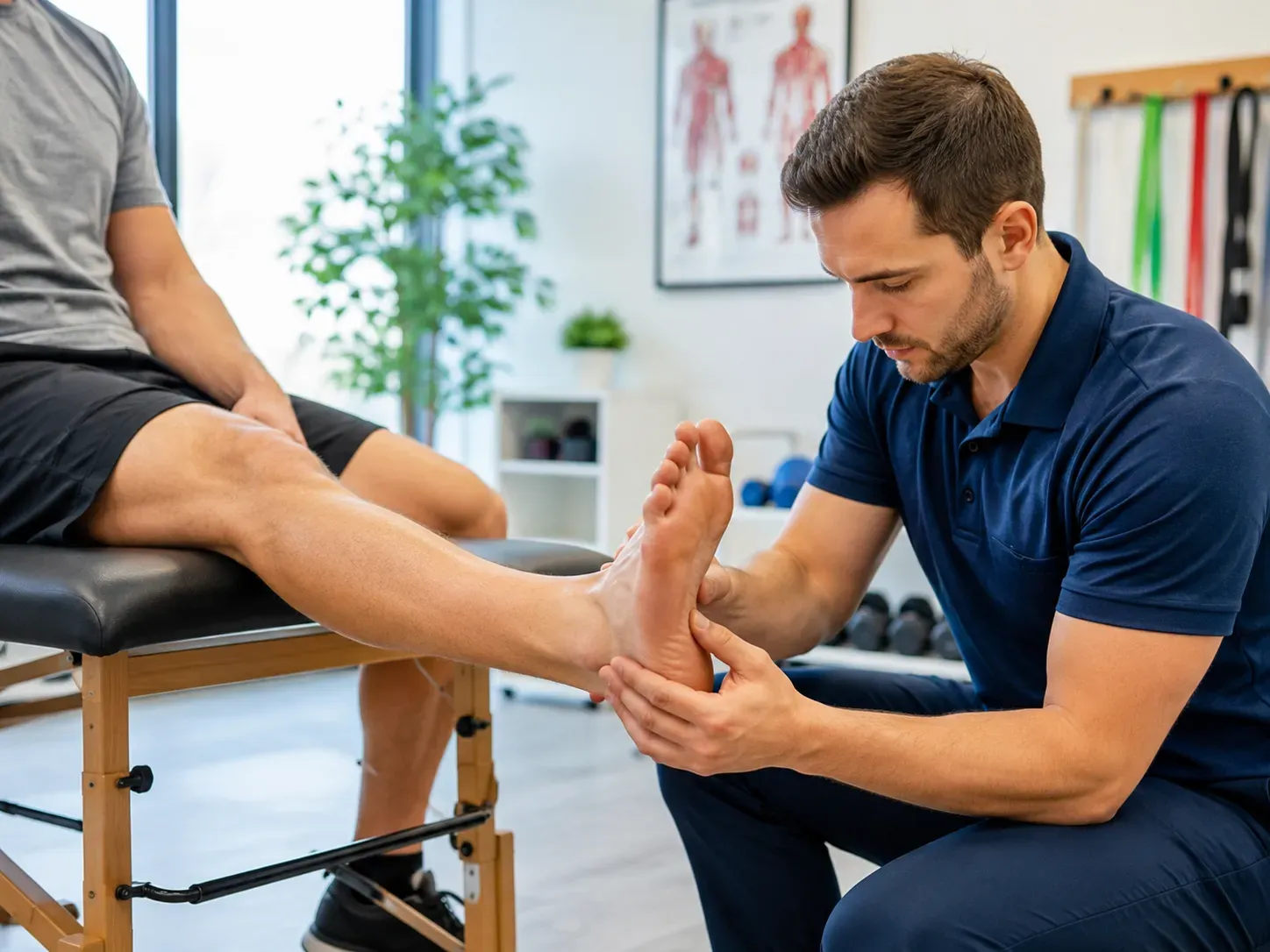
Learn why plantar fasciitis and heel pain can keep returning and how physiotherapy, Shockwave Therapy, exercise and foot support may help recovery.

Learn how neck and shoulder pain can be connected through posture, mobility, muscle tension and movement patterns, and how physiotherapy assessment may help.

Learn why core and pelvic control can matter during lower back pain recovery and how personalized physiotherapy in Mississauga can support movement and function.

Contact Dynamic Physiotherapy & Sports Injury in Mississauga
For expert care and rehabilitation, contact Dynamic Physiotherapy & Sports Injury in Mississauga. Our dedicated team is ready to help you recover and achieve your health goals.