
The Website Store • February 17, 2026
Why Pain Keeps Coming Back After an Injury and How Physiotherapy Breaks the Cycle
One of the most frustrating experiences after an injury is thinking you have recovered, only to feel the same pain return weeks or months later. Many people assume recurring pain means they re-injured themselves or that their body is simply “wearing out.” In reality, recurring pain after injury is usually a sign that healing was incomplete or that underlying movement issues were never fully addressed. Physiotherapy is specifically designed to break this cycle by identifying why pain returns and correcting the factors that keep it coming back. At Dynamic Physiotherapy in Mississauga, we help patients move beyond short-term relief and achieve lasting recovery.
When an injury first occurs, the body responds by protecting the affected area. Muscles tighten, movement becomes guarded, and activity levels drop. This protective response is normal and helpful in the early stages of healing. However, if movement is not properly restored, the body learns new habits that place stress on other joints and muscles. These compensations may reduce pain temporarily but create new problems elsewhere. Over time, the original pain or a related issue resurfaces, often without a clear cause.
Another reason pain returns is incomplete rehabilitation. Many injuries start to feel better before the tissues are fully healed or strong enough to handle daily demands. When activity is resumed too quickly without proper strength, mobility, and control, tissues are overloaded again. This is especially common with back pain, shoulder injuries, knee pain, and repetitive strain injuries. Physiotherapy addresses this by guiding recovery through structured phases rather than stopping treatment once pain subsides.
Scar tissue and stiffness also play a major role in recurring pain. After injury or surgery, the body forms scar tissue as part of the healing process. While scar tissue is necessary, excessive or poorly organized scar tissue can restrict movement and alter how forces travel through the body. This leads to joint stiffness, muscle overuse, and recurring discomfort. Physiotherapy uses manual techniques and targeted movement to improve tissue mobility and restore normal mechanics, reducing strain on surrounding structures.
Weakness and muscle imbalance are another major contributor to recurring pain. After injury, certain muscles often shut down or weaken, while others become overactive to compensate. For example, after a lower back injury, core and glute muscles may weaken, causing the spine to rely on passive structures for support. Pain may disappear temporarily, but without restoring strength and coordination, the area remains vulnerable. Physiotherapy focuses on reactivating and strengthening these key muscles so the body can handle load safely.
Poor movement patterns are often at the center of recurring injuries. Many people unknowingly move in ways that place repeated stress on the same tissues. This can include poor posture, inefficient lifting mechanics, altered gait, or limited joint mobility. Physiotherapists assess how patients move during everyday tasks such as walking, bending, reaching, and sitting. By retraining these patterns, physiotherapy reduces repeated stress and helps prevent the same injury from returning.
The nervous system also plays a role in persistent and recurring pain. After an injury, pain signals can become heightened, making the body more sensitive to normal movement or pressure. This sensitivity can cause flare-ups even when tissues are no longer damaged. Physiotherapy helps calm the nervous system through graded exposure to movement, consistent loading, and positive movement experiences. Over time, the nervous system relearns that movement is safe, reducing pain responses and flare-ups.
At Dynamic Physiotherapy in Mississauga, breaking the cycle of recurring pain begins with a thorough assessment. We look beyond the site of pain to evaluate posture, joint mobility, muscle strength, movement patterns, and lifestyle factors. Understanding how your body moves as a whole allows us to identify the true contributors to recurring discomfort. This comprehensive approach is essential for long-term success.
Treatment focuses on restoring movement, strength, and control in a progressive and sustainable way. Manual therapy helps improve mobility and reduce stiffness. Therapeutic exercise builds strength and resilience in vulnerable areas. Movement retraining addresses faulty mechanics that place stress on healing tissues. Education empowers patients to understand their bodies and make changes that support ongoing recovery. Advanced modalities may be used when appropriate to support tissue healing and pain reduction, but they are always part of a broader rehabilitation plan.
One of the most important aspects of physiotherapy is helping patients return to activity safely. Whether the goal is work, sport, or daily life, returning too quickly or without proper guidance increases the risk of recurrence. Physiotherapists guide this process by gradually increasing load, monitoring response, and ensuring the body is prepared for real-world demands. This structured progression is often what separates temporary relief from lasting recovery.
Recurring pain does not mean you are broken or that healing is impossible. It usually means the body has not yet been given the right tools to move well again. Physiotherapy provides those tools by addressing the root causes of pain rather than masking symptoms. With the right approach, many people who have lived with recurring pain for years are able to regain confidence, function, and comfort.
If you are dealing with pain that keeps coming back after injury, physiotherapy may be the missing piece. At Dynamic Physiotherapy in Mississauga, our experienced team is committed to helping you break the cycle and move forward with confidence. Call (905) 273-5433 or visit www.dynamicphysiotherapy.ca to book an assessment and start working toward lasting relief.
SHARE POST:
Leave a Comment:
Our Recent Post:

Returning to exercise after an injury? Learn how physiotherapy in Mississauga supports strength, mobility and a gradual return to activity.

Learn why hip pain may affect walking and standing and how physiotherapy assessment in Mississauga examines mobility, strength and movement control.

Learn why elbow pain may persist during gripping and lifting, what physiotherapy assessment examines, and how rehabilitation may support recovery.

Learn why knee pain may worsen on stairs and how physiotherapy assessment in Mississauga examines strength, mobility and movement control.

Learn why sciatica symptoms may travel from the lower back into the leg and how physiotherapy assessment in Mississauga can guide rehabilitation.
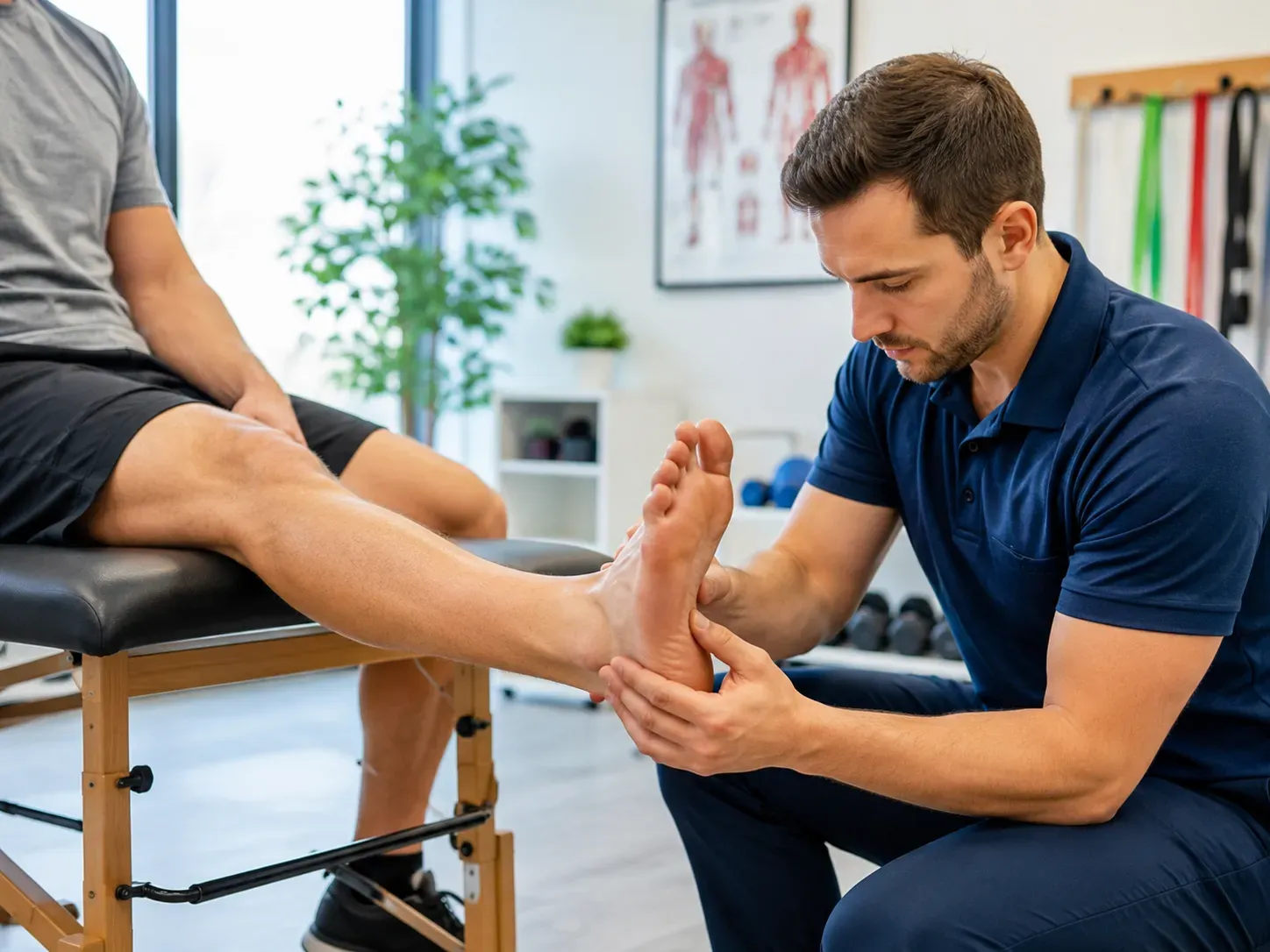
Learn why plantar fasciitis and heel pain can keep returning and how physiotherapy, Shockwave Therapy, exercise and foot support may help recovery.

Learn how neck and shoulder pain can be connected through posture, mobility, muscle tension and movement patterns, and how physiotherapy assessment may help.

Learn why core and pelvic control can matter during lower back pain recovery and how personalized physiotherapy in Mississauga can support movement and function.

Contact Dynamic Physiotherapy & Sports Injury in Mississauga
For expert care and rehabilitation, contact Dynamic Physiotherapy & Sports Injury in Mississauga. Our dedicated team is ready to help you recover and achieve your health goals.