
Why Sciatica Symptoms May Persist or Keep Returning
Understanding persistent or recurring sciatica symptoms
Pain travelling down the leg, tingling, or numbness can make sitting, working, and everyday activities uncomfortable. Sciatica often improves over several weeks to a few months, although some people experience symptoms for longer.
If symptoms persist or return, an assessment can help guide your next steps. This article explains why recovery can vary and how advice, activity adjustments, and an individualized rehabilitation plan may support recovery.
WHAT IS SCIATICA?
Sciatica describes pain associated with irritation or compression of nerves travelling from the lower back into the leg. It commonly affects one side and may extend through the buttock into the leg, foot, or toes.
Symptoms can include:
• Pain travelling down the leg
• Tingling or pins and needles
• Numbness
• Weakness in the affected leg or foot
Lower back pain may also occur, but leg symptoms are often more noticeable.
For information about assessment and rehabilitation at Dynamic Physiotherapy, visit our Sciatica Treatment in Mississauga page.
WHY CAN SCIATICA SYMPTOMS TAKE LONGER TO SETTLE?
Sciatica often improves over time, but recovery varies from person to person. Some people experience symptoms for several months or longer.
Persistent symptoms do not automatically mean you have done something wrong or that treatment has failed. If symptoms are not improving, or are getting worse, a healthcare professional can reassess your condition and discuss appropriate next steps.
FINDING A MANAGEABLE LEVEL OF ACTIVITY
Long periods of rest can make it harder to maintain your usual activities. Staying active, with adjustments to suit your symptoms, is generally encouraged during sciatica recovery.
You may need to change how long you sit, break tasks into shorter periods, or gradually build up walking and exercise. A physiotherapist can help you choose suitable activities and adjust your plan as your symptoms and tolerance change.
HOW PHYSIOTHERAPY MAY HELP WITH SCIATICA
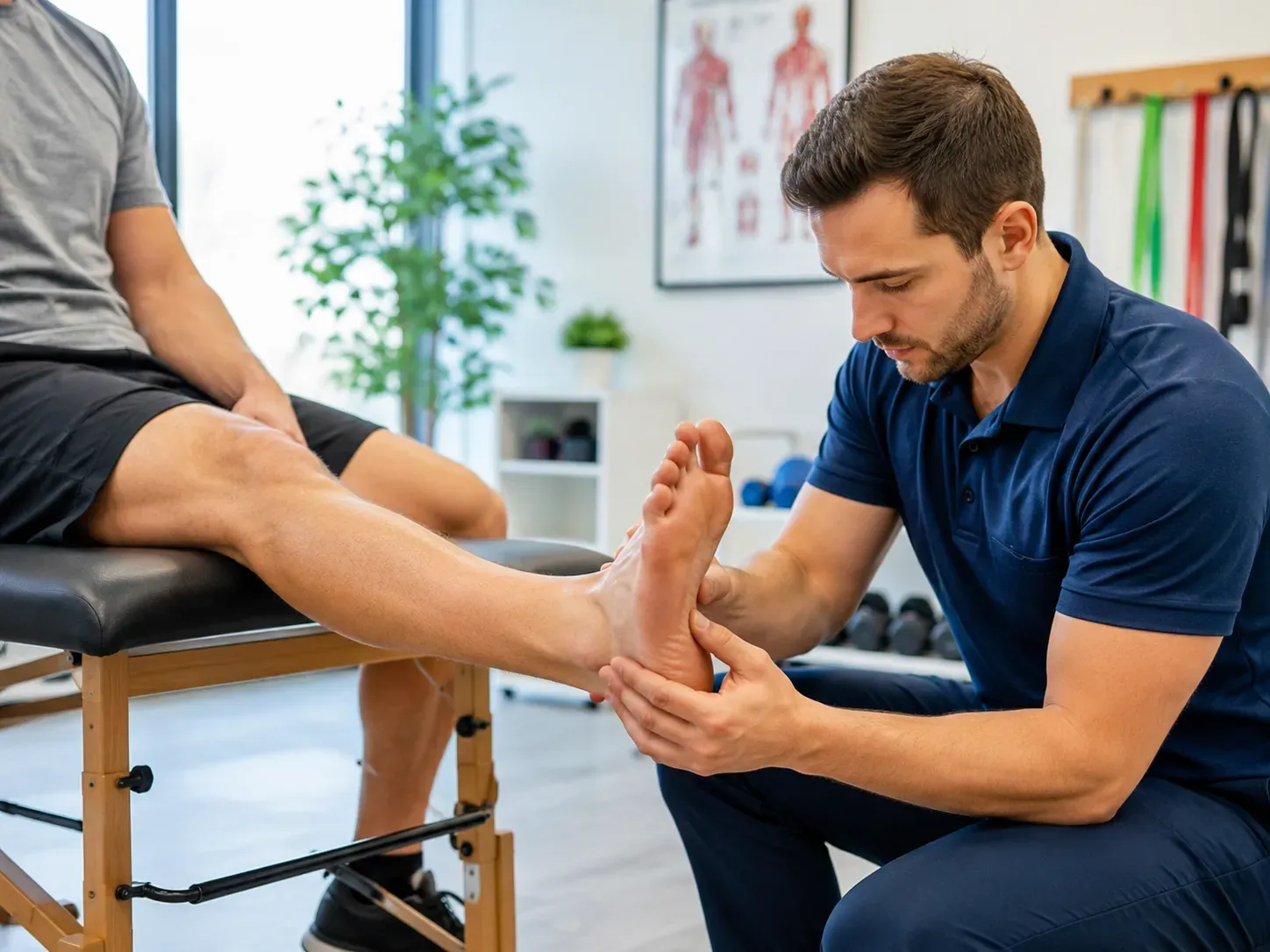
A physiotherapy assessment considers your symptoms, movement, daily activities, and goals. Your physiotherapist can recommend a rehabilitation plan and identify when further medical assessment may be appropriate.
Depending on your assessment, your plan may include:
• Advice on managing activities that aggravate symptoms
• Exercises suited to your symptoms and current abilities
• A gradual increase in walking and everyday activity
• Guidance on returning to work, exercise, or sport
Your plan is reviewed and adjusted according to your progress.
WHAT DOES PROGRESS LOOK LIKE?
Progress may include being able to walk farther, sit more comfortably, or manage everyday tasks more easily. Changes in leg pain, tingling, or numbness also help guide your rehabilitation plan.
Recovery varies, and symptoms may fluctuate along the way. Your physiotherapist will review your response and adjust your exercises and activity advice as needed.
WHEN SHOULD YOU SEEK ASSESSMENT?
Consider an assessment if symptoms are not improving, keep returning, or interfere with walking, sleep, work, or everyday activities. Seek medical advice if symptoms worsen or you develop new leg weakness.
Go to an emergency department immediately if you develop numbness around the genitals or bottom, new difficulty passing or controlling urine, loss of bowel control, or severe or worsening weakness or numbness in both legs.
ASSESSMENT AND NEXT STEPS AT DYNAMIC PHYSIOTHERAPY
If sciatica symptoms are affecting your daily life, Dynamic Physiotherapy in Mississauga offers assessments to review your symptoms, movement, and activity goals.
Visit our Sciatica Treatment in Mississauga page to learn more about our approach to assessment and rehabilitation.
Book a physiotherapy assessment to discuss your symptoms and next steps.
SHARE POST:
Leave a Comment:
Our Recent Post:








Contact Dynamic Physiotherapy & Sports Injury in Mississauga
For expert care and rehabilitation, contact Dynamic Physiotherapy & Sports Injury in Mississauga. Our dedicated team is ready to help you recover and achieve your health goals.