
Returning to Exercise After an Injury: Why Pain Relief Is Only Part of Recovery
Returning to Exercise After an Injury: Why Pain Relief Is Only Part of Recovery
When an injury starts feeling better, it is natural to want to return to your usual workouts, recreational sports or daily activities. However, less pain does not always mean that strength, mobility and movement control have fully recovered.
Returning to exercise after an injury involves more than deciding whether the painful area feels comfortable at rest. It also means preparing your body for the demands of the activity you want to resume.
At Dynamic Physiotherapy & Sports Injury Clinic in Mississauga, our sports injury rehabilitation approach includes assessment, guided exercise and gradual return-to-activity planning.
Why Feeling Better Does Not Always Mean You Are Ready
An injured area may feel comfortable during everyday movement but still struggle with more demanding activity.
For example, walking around the house places different demands on your legs than running, jumping or changing direction. Similarly, using your arm for light tasks is different from lifting weights or returning to a racquet sport.
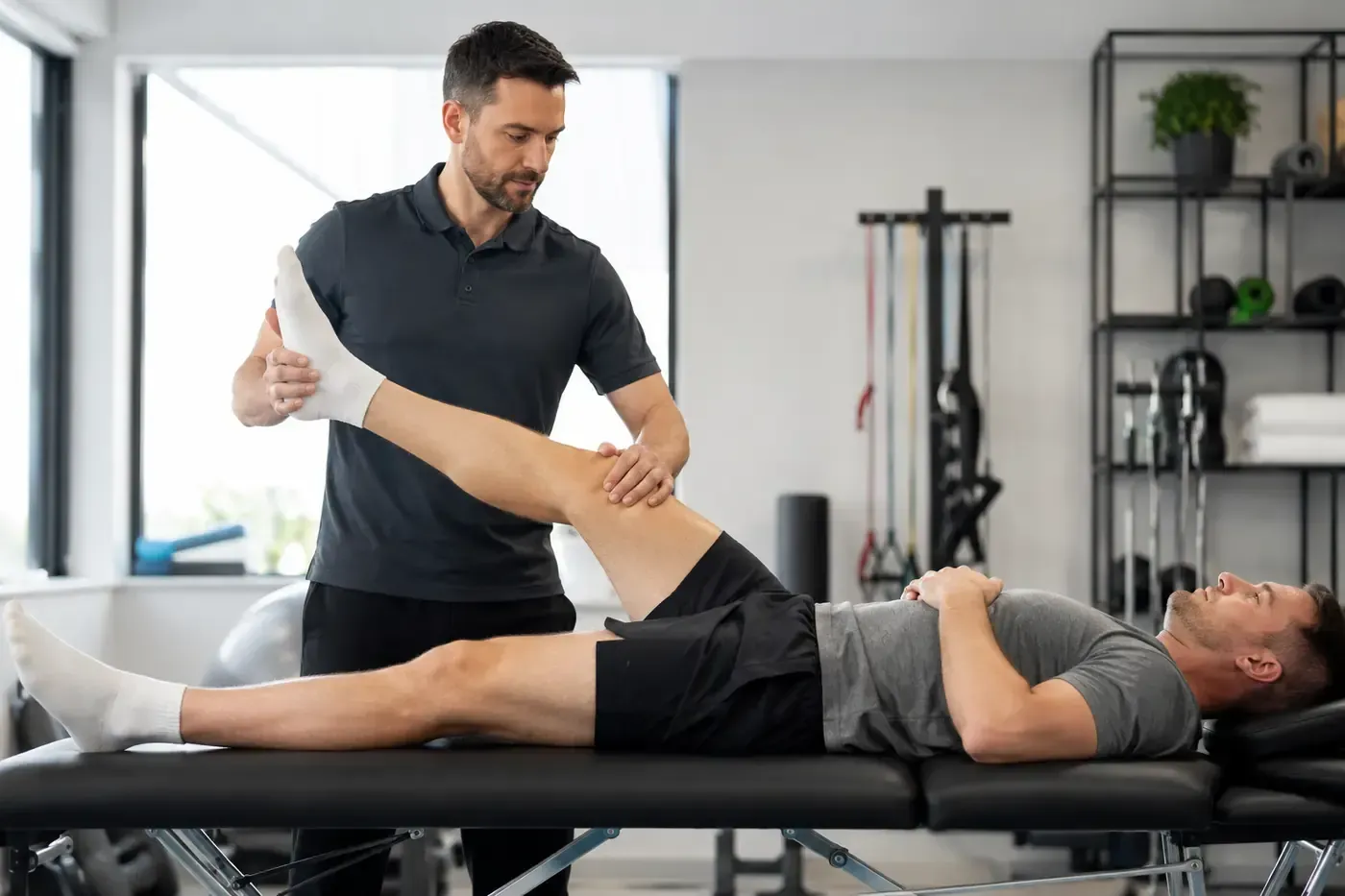
After a lower-limb injury, restoring movement, strength and balance can be important parts of preparing for sport. A gradual return helps bridge the gap between manageable daily activity and more strenuous exercise.
What a Physiotherapy Assessment Looks For
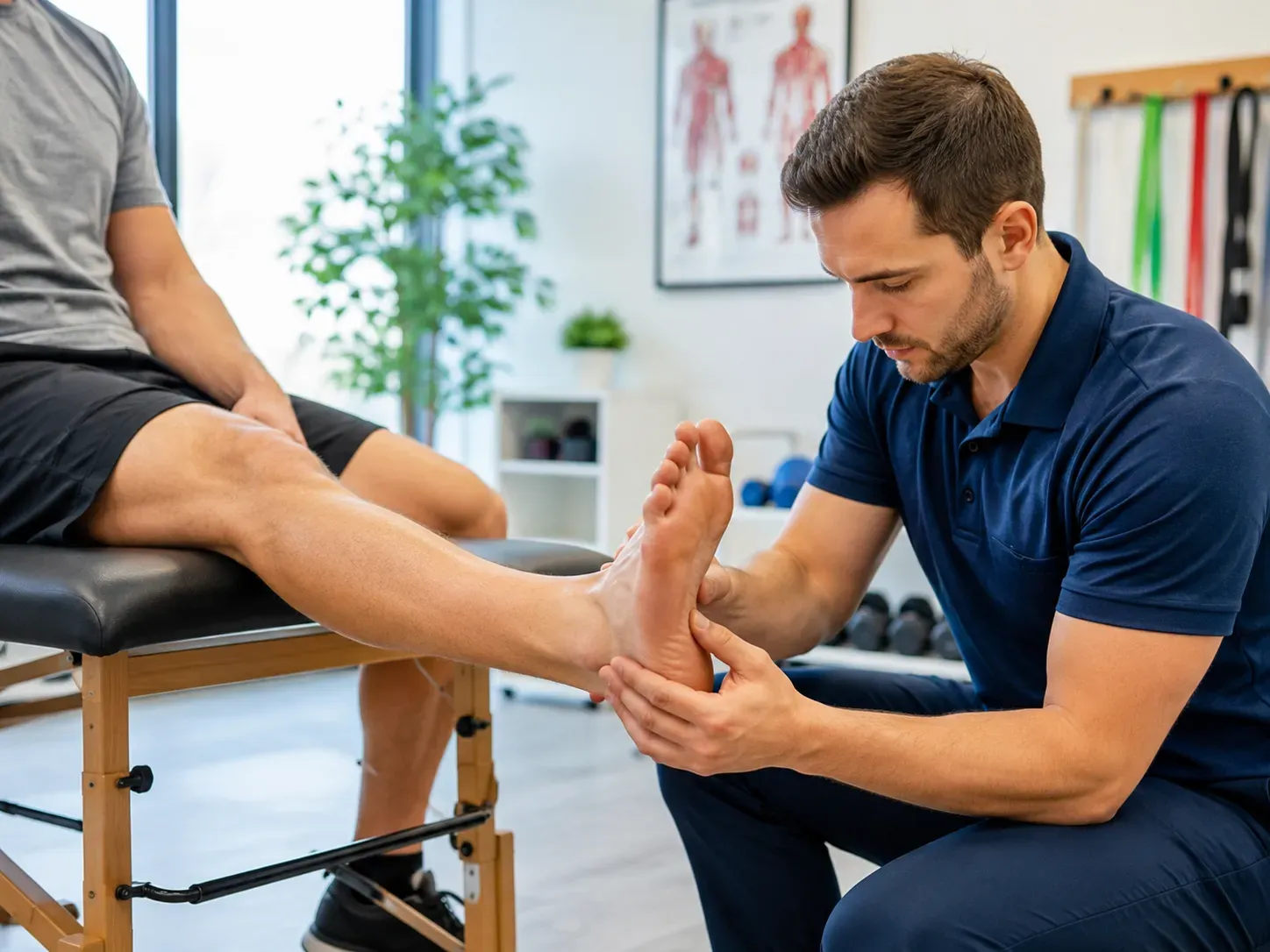
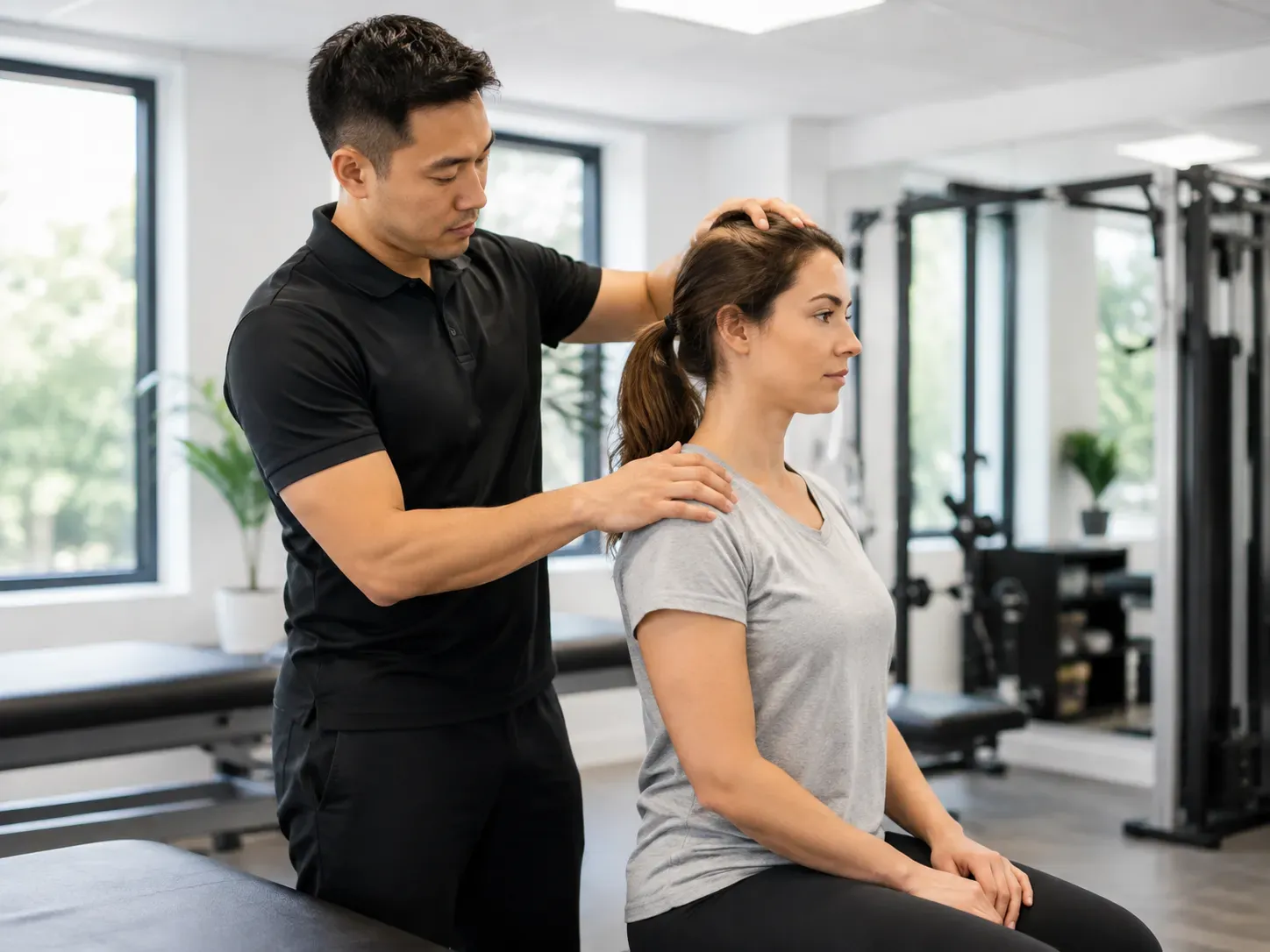
A return-to-exercise assessment considers your injury history, current symptoms and the activities you want to resume.
Depending on your needs, your physiotherapist may assess:
- Joint mobility and range of movement.
- Strength and differences between sides.
- Balance and movement control.
- How you perform relevant movements.
- Which activities trigger discomfort.
- Your previous training routine and recovery goals.
For someone returning to running, the assessment may involve walking, balance and controlled lower-body movements. For someone returning to gym training, it may focus on the movements and loads involved in their workouts.
Our physiotherapy services in Mississauga help patients develop a plan based on their assessment rather than relying on a general exercise routine.
How Guided Exercise Supports the Return to Activity
After a knee injury, rehabilitation may need to address stiffness, muscle weakness and control of the affected leg before sporting activity resumes.
Exercises should match your stage of recovery. A movement that is appropriate early in rehabilitation may be different from the exercises needed to prepare for running, lifting or competitive sport.
Dynamic’s exercise rehabilitation programs can support a structured approach to rebuilding movement and progressing activity.
Build Up Gradually
Returning immediately to your previous training level can place demands on an area that is still recovering.
A gradual plan may involve shorter sessions, lighter resistance or modified activity before progressing towards your usual routine. Your physiotherapist can help determine which changes are appropriate for your injury and goals.
Pay attention to how you feel during activity and afterwards. Sharp or increasing pain, returning swelling, or a loss of strength or movement are reasons to stop and seek professional advice.
If you have had surgery, a fracture or an injury requiring medical restrictions, follow your treating clinician’s guidance before restarting exercise.
When Should You Book an Assessment?
Consider an assessment if symptoms repeatedly return when you exercise, the affected area feels weak or unstable, or you are unsure how to progress.
You do not need to be a competitive athlete to benefit from rehabilitation planning. Returning to recreational fitness, an active job or everyday movement can also require a structured approach.
Return to Exercise With a Plan
Pain relief is an encouraging step. The next step is understanding what your body needs to manage the activity you want to return to.
Dynamic Physiotherapy & Sports Injury Clinic provides personalized assessment and rehabilitation in Mississauga to support strength, mobility and return-to-activity goals.
Book a physiotherapy assessment to discuss your symptoms and exercise goals.
Dynamic Physiotherapy & Sports Injury Clinic
89 Queensway West, Suite 100, Main Floor
Mississauga, ON L5B 2V2
Phone: 905-273-5433
SHARE POST:
Leave a Comment:
Our Recent Post:






Contact Dynamic Physiotherapy & Sports Injury in Mississauga
For expert care and rehabilitation, contact Dynamic Physiotherapy & Sports Injury in Mississauga. Our dedicated team is ready to help you recover and achieve your health goals.