
Lower Back Pain After Sitting: When Getting Up Becomes Uncomfortable
Lower Back Pain After Sitting: When Getting Up Becomes Uncomfortable
You finish working at your desk, stand up from the couch or step out of your car—and your lower back feels stiff or painful. Perhaps the first few steps are uncomfortable before movement becomes easier.
When this keeps happening, it can interfere with your workday, commute and confidence in everyday movement.
At Dynamic Physiotherapy & Sports Injury Clinic in Mississauga, we assess your symptoms, movement and daily activities to help determine an appropriate recovery plan.
Why Can Your Lower Back Hurt After Sitting?
Spending a long time in one position can aggravate back symptoms in some people. However, pain after sitting does not identify a single cause or automatically mean you have a damaged disc.
Back pain can be influenced by several factors, including your recent activity, physical capacity, previous episodes, sleep and stress. The way symptoms change when you sit, stand, walk or bend provides useful information during an assessment.
There is also no single perfect sitting posture that everyone needs to maintain. Finding comfortable positions and changing position regularly can be more practical than trying to sit rigidly upright throughout the day.
Explore our lower back pain physiotherapy services in Mississauga to learn about assessment and rehabilitation at Dynamic.
What Should You Notice About Your Symptoms?
Before your appointment, consider the pattern rather than trying to diagnose the problem yourself.
Useful details include:
- How long you can sit before discomfort develops.
- Whether getting up is more uncomfortable than sitting.
- Whether walking eases or worsens your symptoms.
- Whether pain stays in your back or travels into your buttock or leg.
- Which activities have become harder or less comfortable.
- Whether the problem is improving, worsening or repeatedly returning.
You do not need to wait until pain becomes severe before seeking help. Recurring discomfort that changes how you work, sleep or move is a reasonable reason to arrange an assessment.
Does Pain Into the Leg Mean Sciatica?
Pain travelling into the leg can sometimes involve nerve irritation, particularly when accompanied by tingling or numbness. However, not all buttock or leg pain is sciatica.
An assessment helps determine whether nerve-related symptoms may be present and whether further medical evaluation is needed.
If your symptoms extend beyond your lower back, read about our sciatica assessment and rehabilitation approach.
Tell your physiotherapist about any numbness, weakness or changes in walking rather than treating these as ordinary stiffness.
What Does a Physiotherapy Assessment Consider?
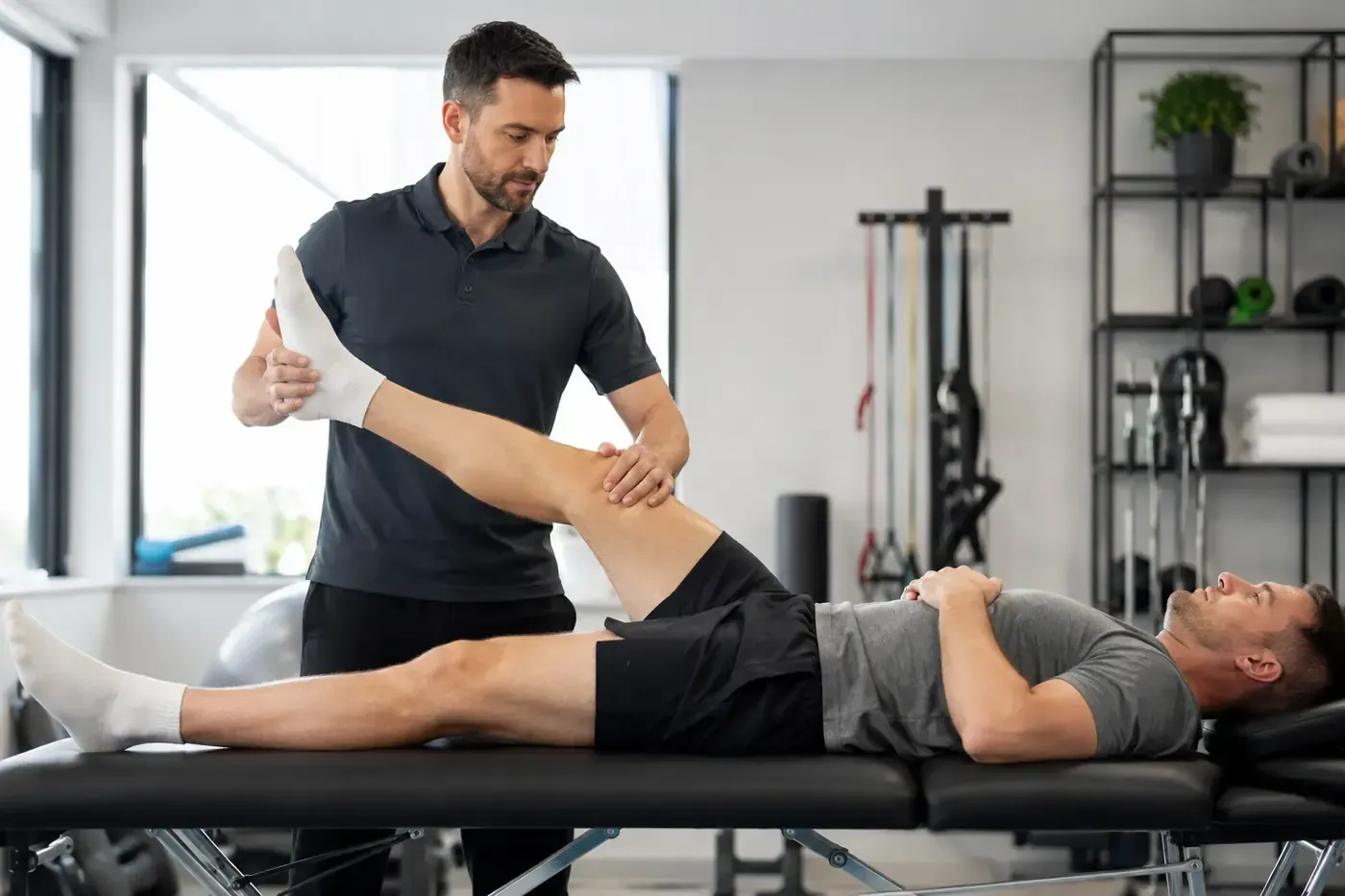
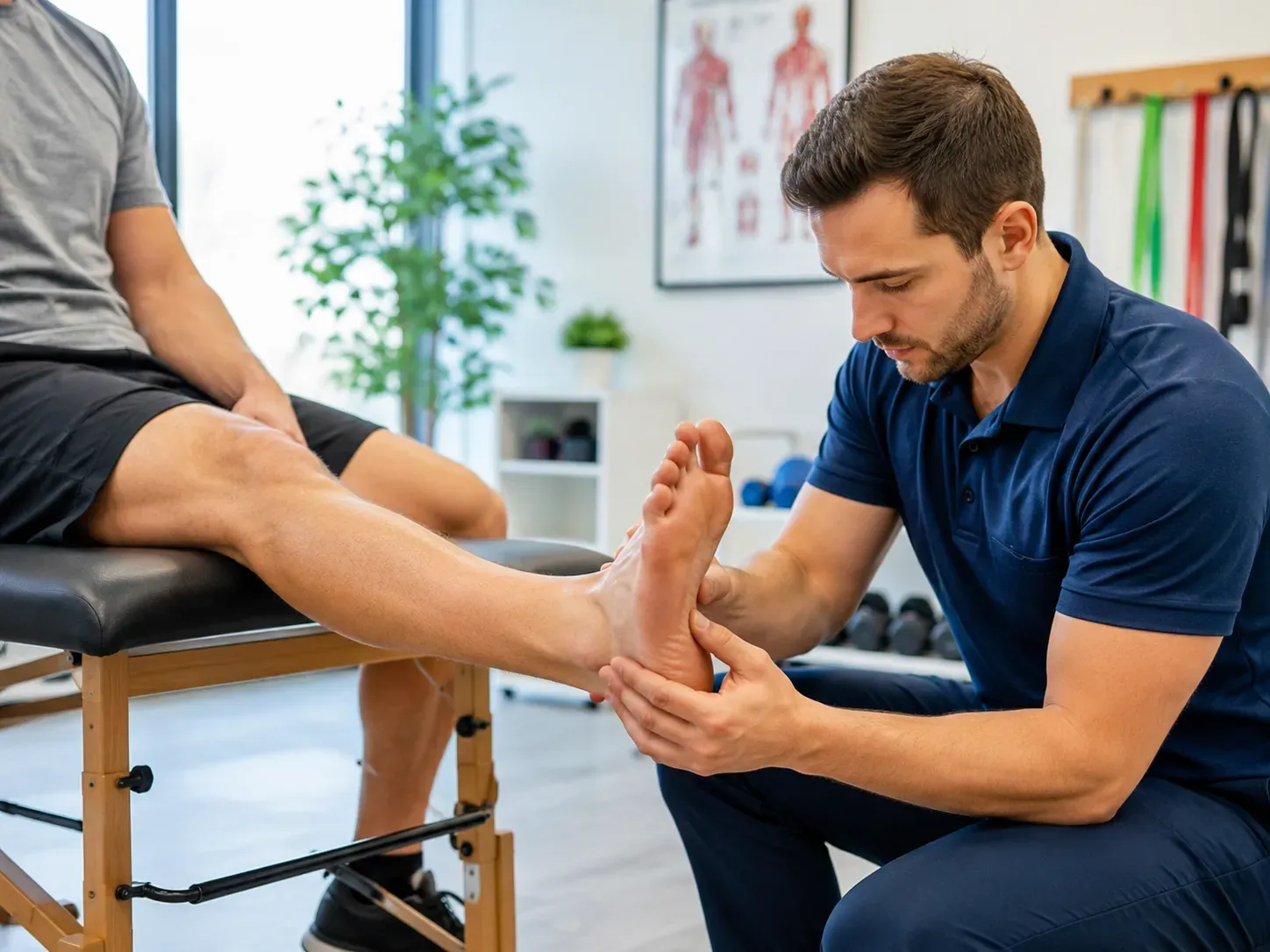
Your appointment starts with understanding your symptoms and what you want to return to doing comfortably.
Depending on your presentation, assessment may include:
- Back and hip movement.
- Walking, bending and getting up from a chair.
- Strength and tolerance for everyday activities.
- Sensation, strength and other nerve-related checks when indicated.
- Work routines, activity levels and previous treatment.
The purpose is to guide your next steps. Your plan should reflect your findings and goals rather than a standard set of exercises given to everyone with back pain.
How Can Physiotherapy Support Recovery?
Your rehabilitation may include education, individually selected exercises, progressive strengthening and practical changes to activities that currently aggravate symptoms. Hands-on treatment may also be considered where appropriate.
The aim is to help you move more comfortably and build capacity for the activities that matter to you.
That might mean sitting through a meeting with manageable symptoms, getting out of the car more comfortably or returning to exercise with a clearer plan.
Learn more about physiotherapy assessment and treatment at Dynamic.
What Can You Do During Your Workday?
For many people with uncomplicated back pain, staying active within tolerance is preferable to prolonged bed rest.
Consider changing position regularly, taking brief movement breaks and keeping frequently used items within comfortable reach. Adjust your chair and workstation to support comfort rather than forcing one rigid position.
Short walks may be useful if they feel manageable. Avoid forcing stretches or copying an intense exercise routine simply because it is labelled “for back pain.” Seek individual guidance if an activity significantly worsens symptoms.
When Should You Seek Urgent Medical Care?
Seek emergency care for back pain with new difficulty controlling or emptying your bladder or bowels, numbness around the groin or saddle area, or new or rapidly worsening leg weakness.
Prompt medical assessment is also important for severe or rapidly worsening pain, fever or feeling unwell, or pain following a significant accident.
These symptoms require medical attention rather than waiting for a routine physiotherapy appointment.
Make Getting Up and Moving Easier to Manage
If lower back pain after sitting keeps interrupting your day, an assessment can help you understand the pattern and identify suitable next steps.
Request a physiotherapy assessment at Dynamic Physiotherapy & Sports Injury Clinic or call 905-273-5433.
When contacting us, mention how sitting and standing affect your symptoms and what you would like to return to doing comfortably.
Dynamic Physiotherapy & Sports Injury Clinic
89 Queensway West, Suite 100, Mississauga
This article provides general information. Assessment, treatment recommendations and recovery vary by individual.
SHARE POST:
Leave a Comment:
Our Recent Post:







Contact Dynamic Physiotherapy & Sports Injury in Mississauga
For expert care and rehabilitation, contact Dynamic Physiotherapy & Sports Injury in Mississauga. Our dedicated team is ready to help you recover and achieve your health goals.