
Rotator Cuff Physiotherapy in Mississauga
Rotator cuff pain can make it difficult to lift, reach, sleep on your side, exercise, work, or perform everyday movements comfortably.
At Dynamic Physiotherapy & Sports Injury Clinic in Mississauga, we help patients with rotator cuff-related shoulder pain through personalized physiotherapy assessment, hands-on treatment, guided rehabilitation exercises, and movement correction.
Our goal is to understand what may be contributing to your shoulder pain, reduce irritation, improve mobility, rebuild strength, and help you return to daily activity or sport with more confidence.
Why Rotator Cuff Pain Happens
The rotator cuff is a group of muscles and tendons that help stabilize and move the shoulder. These structures are important for lifting, reaching, pushing, pulling, throwing, and overhead movement.
Rotator cuff pain may develop suddenly after an injury or gradually over time from repetitive strain, weakness, poor posture, shoulder stiffness, tendon irritation, or overuse. Some people notice pain when lifting the arm, reaching behind the back, sleeping on the shoulder, exercising, or performing work tasks.
Because shoulder pain can come from different causes, proper assessment is important before starting treatment. A physiotherapy assessment helps identify whether symptoms may be related to mobility restrictions, weakness, tendon irritation, compensation patterns, or movement control issues.
Common Rotator Cuff Symptoms
Rotator cuff-related shoulder pain can affect daily movement, exercise, work, and sleep.
01
Pain When Lifting the Arm
Pain may occur when lifting the arm forward, out to the side, or overhead.
02
Shoulder Weakness
Weakness may make it harder to lift, carry, push, pull, or control shoulder movement.
03
Pain at Night
Rotator cuff irritation may make it uncomfortable to sleep on the affected shoulder.
04
Pain Reaching Behind the Back
Reaching behind the back, putting on a jacket, or fastening clothing may become difficult.
05
Clicking or Catching
Some people notice clicking, catching, or discomfort during shoulder movement.
06
Pain With Sport or Exercise
Rotator cuff pain may interfere with weight training, throwing, swimming, racket sports, or overhead activities.
Rotator Cuff Recovery Requires More Than Rest
Rest may help calm shoulder pain temporarily, but it does not always correct the reason the shoulder became irritated.
If weakness, stiffness, poor movement patterns, posture, or repeated overload are contributing to the problem, symptoms may return when you go back to lifting, reaching, training, or work activity.
A personalized physiotherapy plan helps address both the painful area and the contributing factors. This may include improving shoulder mobility, strengthening the rotator cuff and surrounding muscles, correcting movement patterns, and gradually rebuilding tolerance to activity.
Serving Mississauga Since 1996
Our Approach to Rotator Cuff Physiotherapy
Every shoulder injury is different. Treatment should be based on your symptoms, movement,
strength, activity demands, and recovery goals.
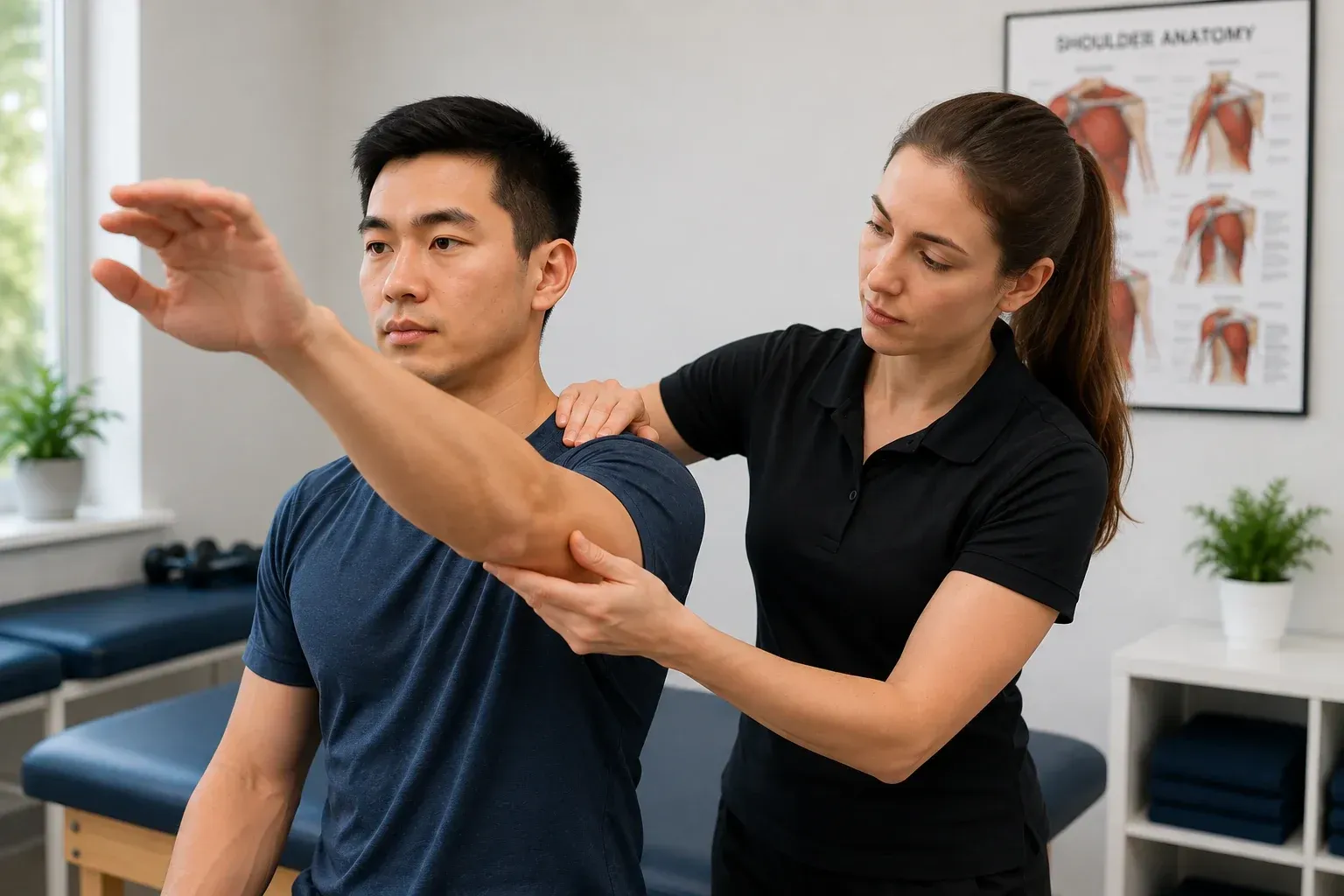
Step 1 — Assessment
We assess your shoulder movement, strength, pain triggers, posture, mobility, activity limitations, and injury history.
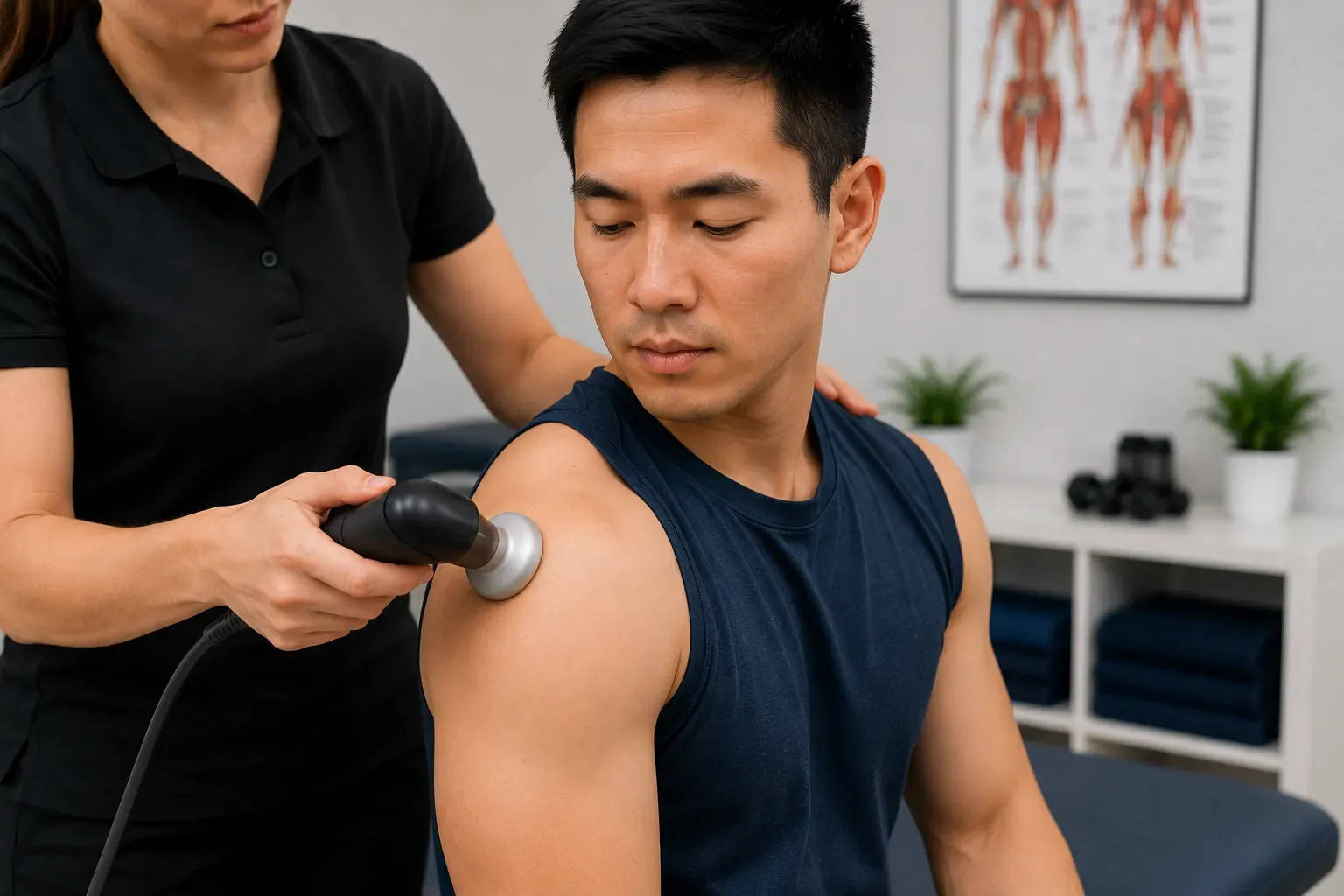
Step 2 — Symptom Relief
Treatment may focus on reducing irritation, improving comfort, and helping you move the shoulder more easily.
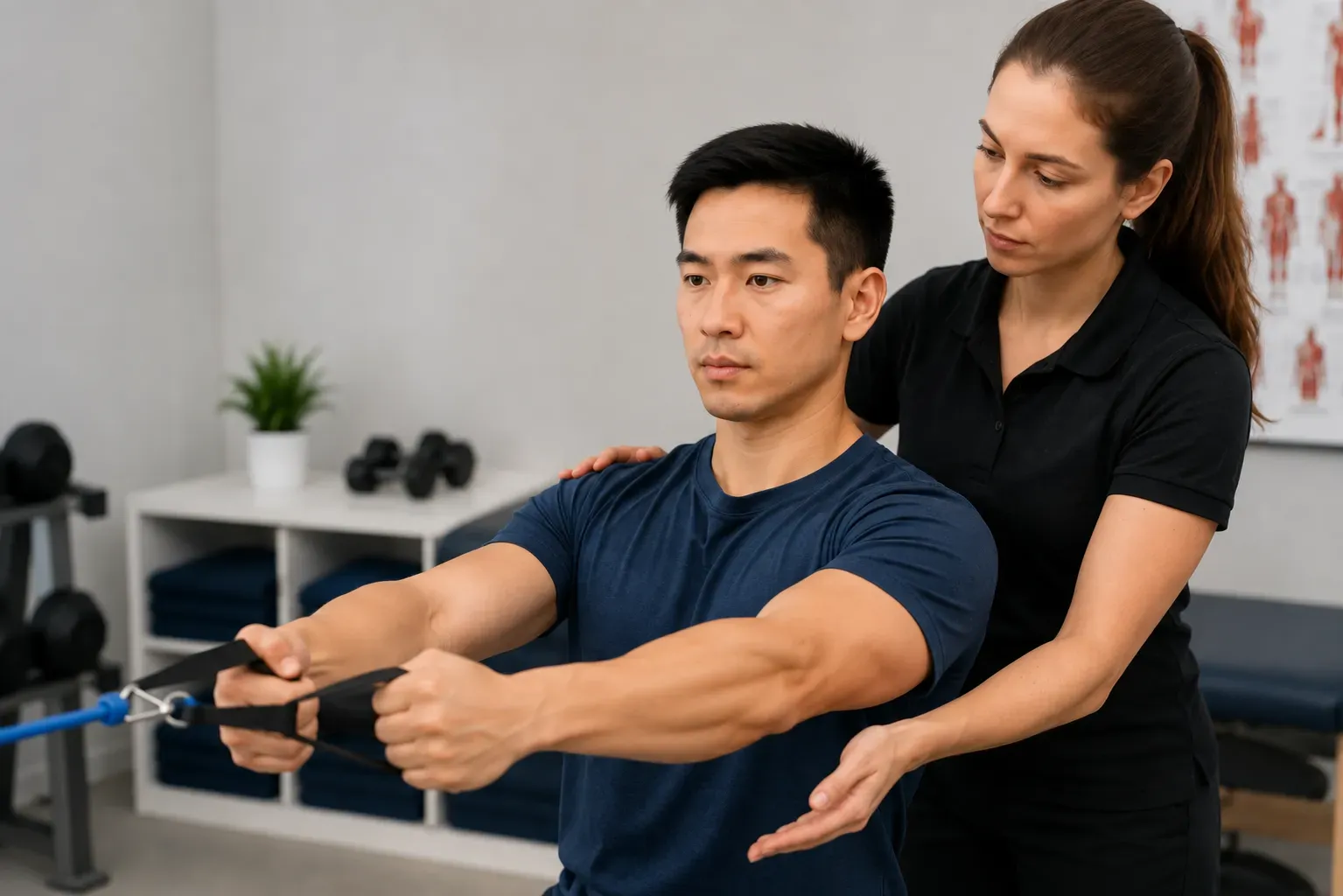
Step 3 — Guided Rehab Exercises
We guide you through exercises designed to improve rotator cuff strength, shoulder control,
mobility, and function.
Step 4 — Return to Activity
Your plan may gradually progress toward lifting, reaching, work demands, sport, or exercise
depending on your goals.
Rotator Cuff Treatment May Include
Your treatment plan will depend on your assessment findings and stage of recovery.
Manual Therapy
Hands-on therapy may help improve shoulder mobility and reduce stiffness that contributes to pain.
Soft Tissue Techniques
Soft tissue treatment may help reduce muscle tension around the shoulder, neck, upper back, and arm.
Rotator Cuff Strengthening
Specific exercises may help rebuild strength and improve control around the shoulder joint.
Shoulder Mobility Work
Mobility exercises may help restore comfortable movement and reduce compensations.
Posture and Movement Correction
Movement correction may help reduce strain during lifting, reaching, pushing, pulling, and overhead activity.
Progressive Return to Activity
Exercises are progressed gradually so the shoulder can tolerate more demanding movements safely.
Rotator Cuff Pain May Overlap With These Concerns
Shoulder pain can be connected to other movement, injury, or activity-related concerns.
Depending on your symptoms, your treatment plan may also involve one or more of the following areas.
Shoulder Pain
Rotator cuff irritation is one common cause of shoulder pain, but shoulder symptoms can also involve stiffness, instability, posture, or joint irritation.
Sports Injuries
Rotator cuff pain may affect athletes, gym users, swimmers, throwers, and active adults.
Physiotherapy
A personalized physiotherapy plan can help address shoulder pain, weakness, mobility, and movement limitations.
Neck Pain
Neck tension, posture, and upper back stiffness may contribute to shoulder discomfort or compensation.
Shockwave Therapy
Shockwave therapy may be considered for certain chronic tendon-related shoulder concerns depending on assessment findings.
Chronic Pain
Persistent shoulder pain may require a broader plan that addresses movement, strength, tissue sensitivity, and activity habits.
Who Can Benefit From Rotator Cuff Physiotherapy?
Rotator cuff physiotherapy may be helpful for people experiencing shoulder pain, weakness, stiffness, or difficulty with lifting and reaching.
This may include people with:
- people with shoulder pain during overhead movement
- gym users with pain during pressing or lifting
- athletes involved in throwing, swimming, racket sports, or overhead activity
- workers who lift, carry, reach, or perform repetitive arm movements
- people with pain sleeping on one side
- patients recovering from a shoulder strain or injury
- people with recurring shoulder irritation
- individuals with stiffness or weakness after a period of rest
- people unsure which shoulder exercises are safe
A physiotherapy assessment can help determine the most appropriate treatment direction for your shoulder.
contact us
Rebuild Shoulder Strength With the Right Plan
If shoulder pain keeps returning or you are unsure which exercises are safe, guessing can make
recovery harder.
Dynamic Physiotherapy & Sports Injury Clinic provides rotator cuff physiotherapy in
Mississauga with assessment-based care, guided rehab exercises, and gradual return-to-activity
planning.
FAQS
Rotator Cuff Physiotherapy FAQs
What does rotator cuff pain feel like?
Rotator cuff pain may feel like aching, sharp pain, weakness, stiffness, or discomfort when lifting, reaching, sleeping on the shoulder, or using the arm overhead.
Can physiotherapy help rotator cuff pain?
Physiotherapy may help rotator cuff-related shoulder pain by improving mobility, strength, movement control, and activity tolerance.
Should I keep exercising with rotator cuff pain?
Some movements may need to be modified temporarily. A physiotherapist can help determine which exercises are safe and which should be avoided during recovery.
How long does rotator cuff recovery take?
Recovery depends on the type of injury, severity, how long symptoms have been present, activity demands, and how your shoulder responds to treatment and rehab.
Can shockwave therapy help rotator cuff pain?
Shockwave therapy may be considered for certain chronic tendon-related shoulder concerns, but it should be recommended after assessment.
Do you treat rotator cuff injuries in Mississauga?
Yes. Dynamic Physiotherapy & Sports Injury Clinic provides rotator cuff physiotherapy in Mississauga for shoulder pain, weakness, mobility issues, and injury recovery.
Book Rotator Cuff Physiotherapy in Mississauga
If shoulder pain is affecting your sleep, lifting, reaching, work, or exercise, Dynamic
Physiotherapy & Sports Injury Clinic can help.
Our Mississauga physiotherapy team provides personalized assessment, hands-on treatment,
guided rehabilitation, and movement correction to support rotator cuff recovery.