Why Movement Quality Matters in Physiotherapy Recovery
Recovery is not always just about reducing discomfort.
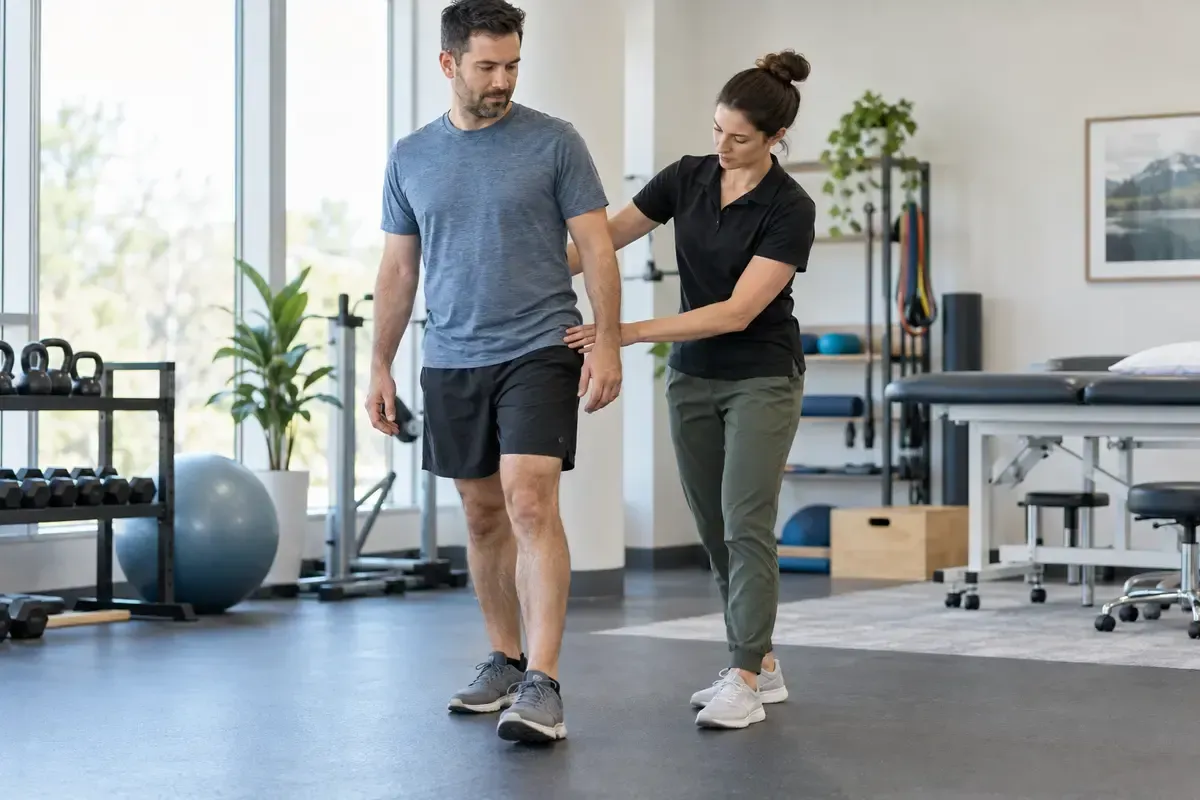
In many cases, improving the way the body moves may play an important role in supporting long-term physical health, mobility, and injury prevention.
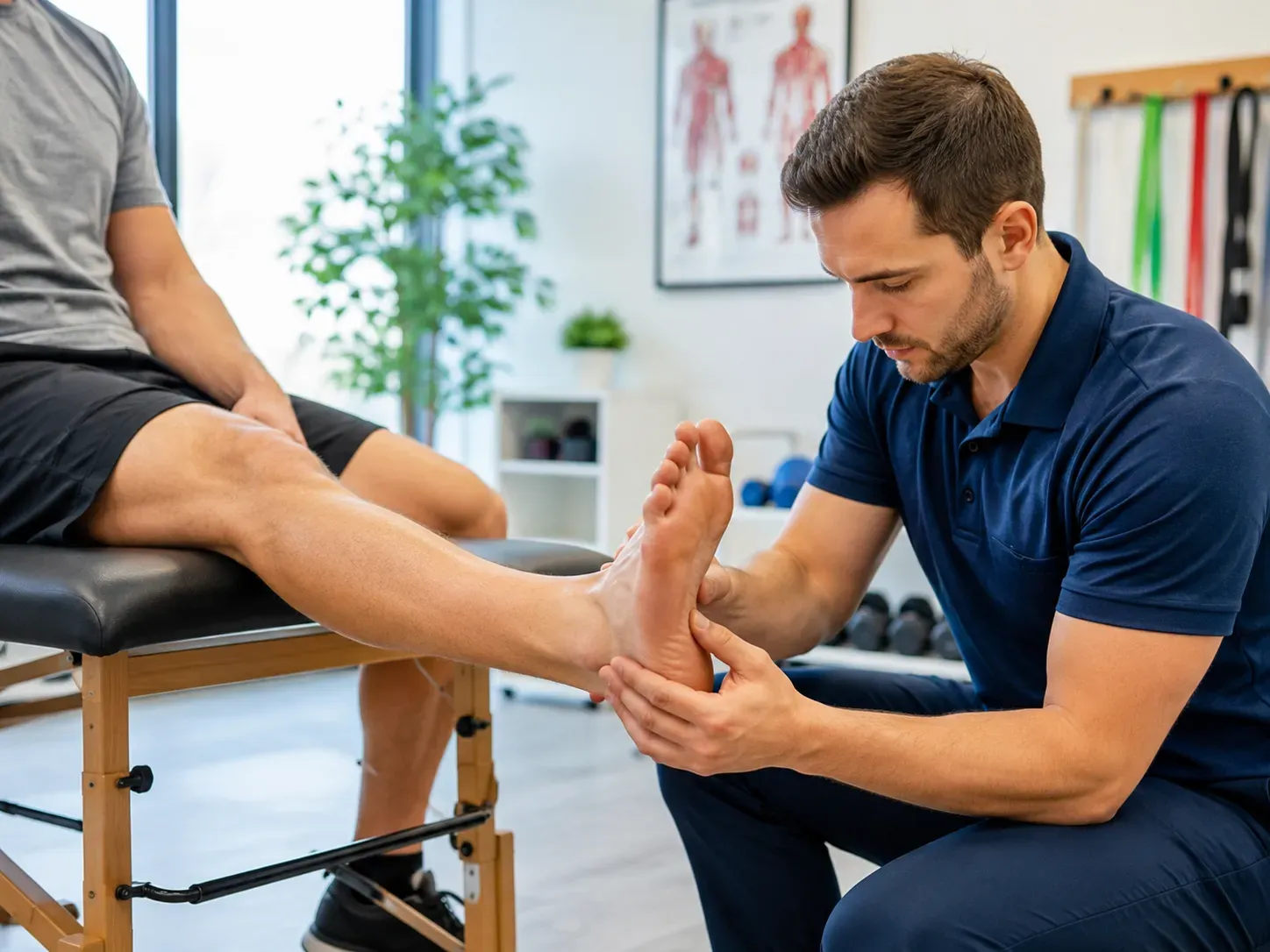
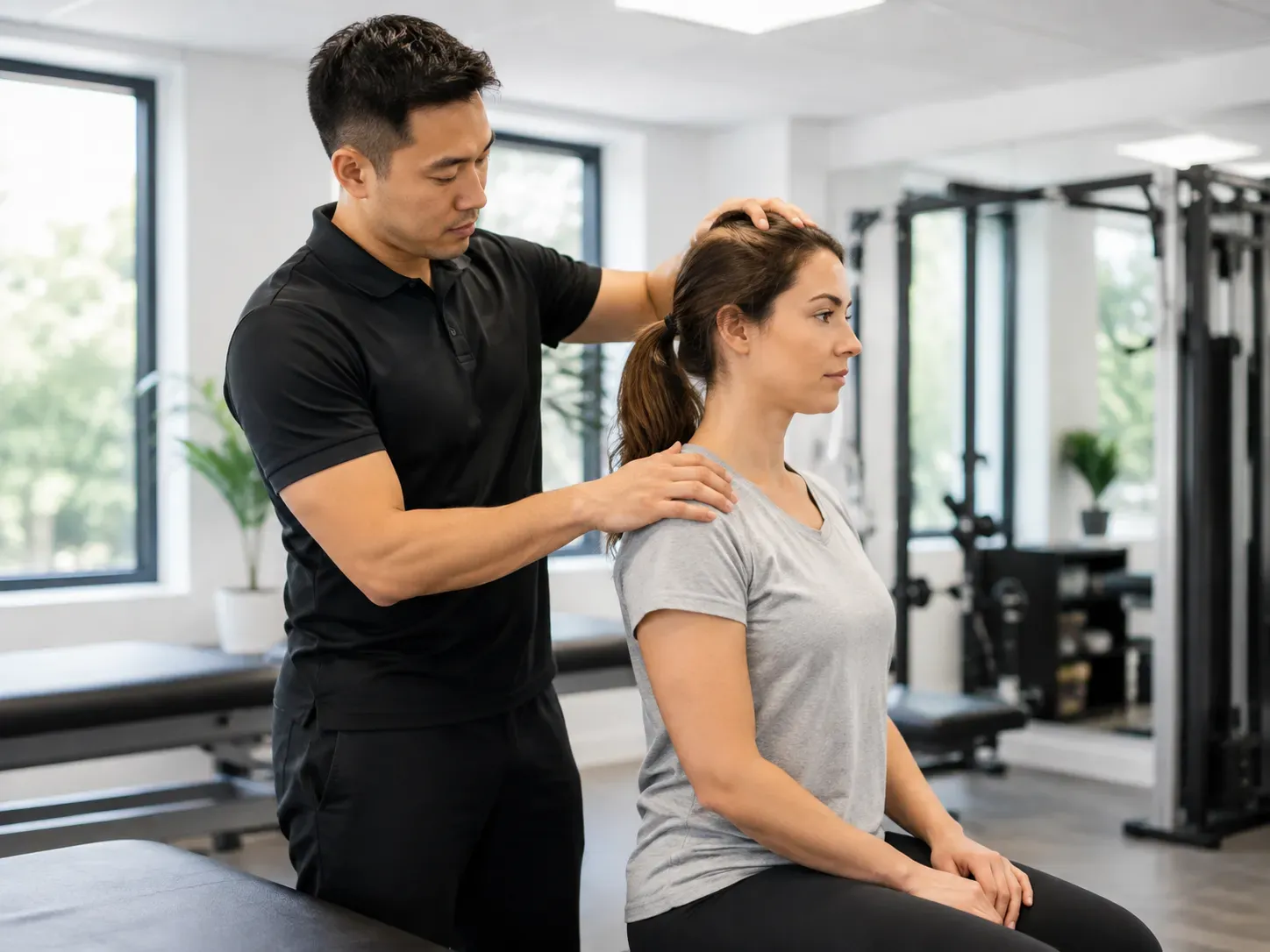
At Dynamic Physiotherapy & Sports Injury Clinic Inc., rehabilitation programs are designed to focus not only on recovery, but also on helping individuals improve movement quality, physical function, and overall mobility through personalized physiotherapy care.
Why Movement Quality Is Important
Poor movement patterns, muscle imbalances, stiffness, or limited mobility can sometimes contribute to recurring physical strain over time.
Whether related to:
- Sports injuries
- Lower back discomfort
- Shoulder tension
- Neck stiffness
- Postural strain
- Repetitive movement stress
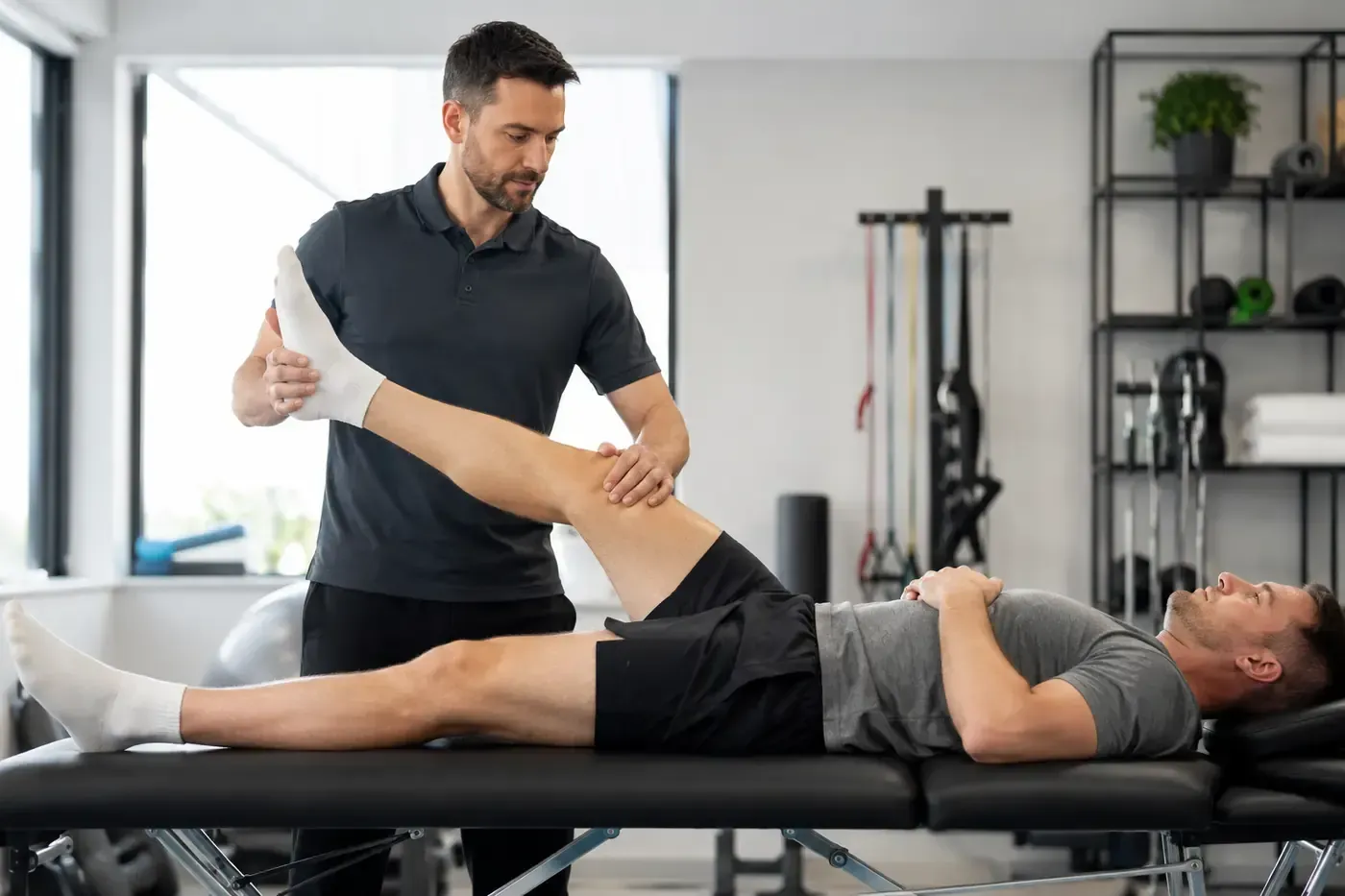
the body often benefits from guided rehabilitation that supports both recovery and long-term movement efficiency.
This may include:
- Mobility training
- Guided strengthening
- Core stability work
- Stretching and flexibility
- Movement correction
- Functional rehabilitation strategies
Supporting Long-Term Physical Function
Many people focus only on symptom relief while overlooking how movement patterns may affect long-term recovery.
A more structured rehabilitation approach may help support:
- Improved mobility
- Better joint support
- Enhanced flexibility
- Greater movement confidence
- Injury prevention strategies
- Long-term physical function
At Dynamic Physiotherapy & Sports Injury Clinic, treatment plans are tailored to each individual’s goals, physical condition, and activity level.
Personalized Rehabilitation Matters
Every individual moves differently.
Factors such as:
- Lifestyle
- Activity level
- Previous injuries
- Workplace demands
- Sports participation
- Mobility limitations
can all influence rehabilitation planning.
This is why personalized physiotherapy programs are important for helping guide recovery safely and progressively.
Individuals recovering from lower back discomfort often explore our Lower Back Pain Physiotherapy Services, while those experiencing radiating discomfort may visit our Sciatica Physiotherapy Program.
Active Recovery and Mobility Support
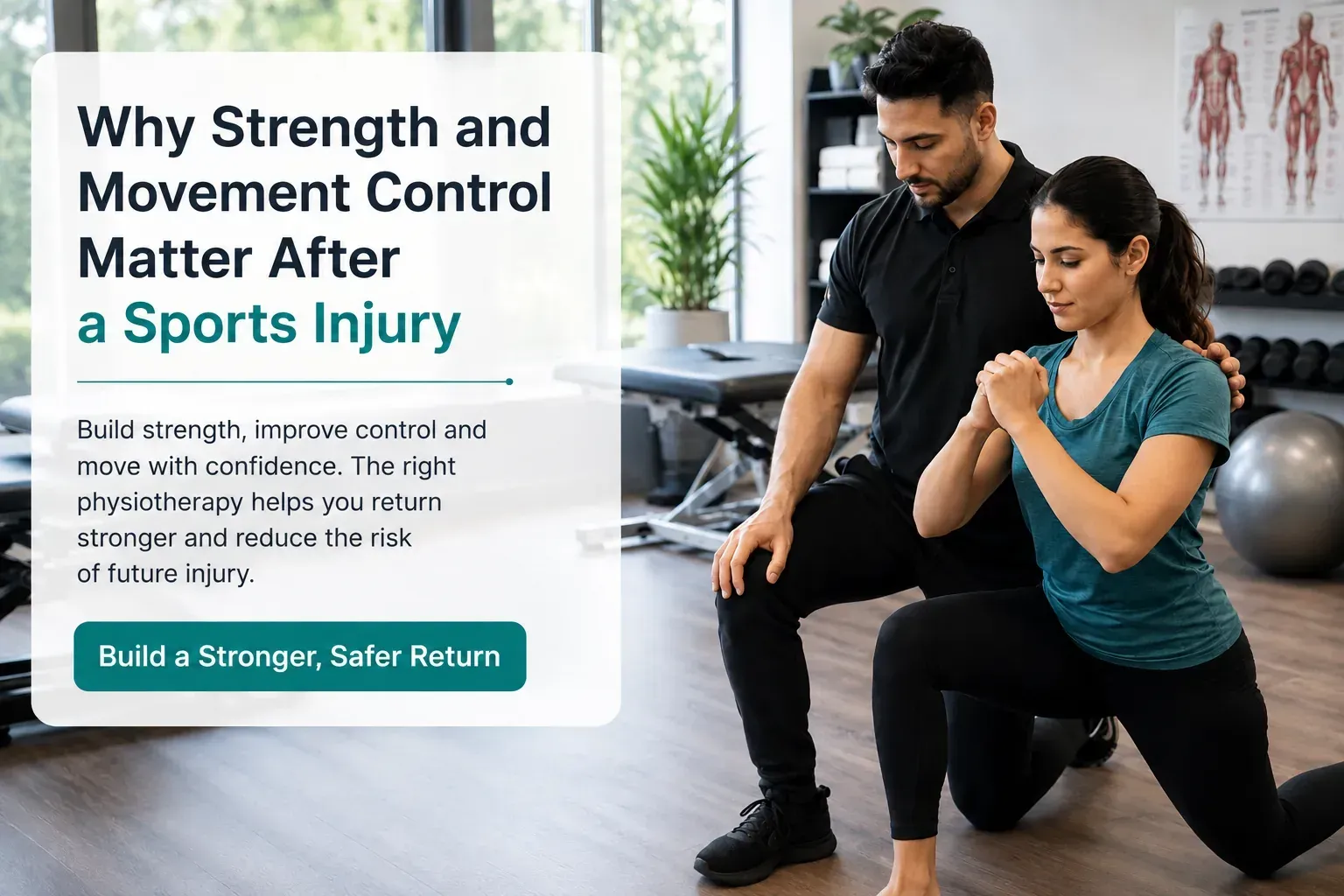
Modern physiotherapy continues to evolve toward more active rehabilitation and movement-based recovery strategies.
Guided rehabilitation may help support:
- Strength restoration
- Mobility improvement
- Functional movement
- Physical resilience
- Confidence returning to activity
This more active approach may also help individuals better understand how their body moves and where additional support may be beneficial.
Supporting Better Movement Over Time
Long-term recovery often involves more than temporary relief alone.
Improving mobility, movement quality, and overall physical function may help support healthier movement patterns and better day-to-day activity tolerance over time.
Whether recovering from sports injuries, back discomfort, mobility restrictions, or repetitive strain, personalized physiotherapy and rehabilitation can help support a more structured recovery journey.
Helpful Links
- Lower Back Pain Physiotherapy
- Sciatica Physiotherapy Treatment
- Sports Injury Rehabilitation
- Shoulder Pain Physiotherapy
SHARE POST:
Leave a Comment:
Our Recent Post:




Contact Dynamic Physiotherapy & Sports Injury in Mississauga
For expert care and rehabilitation, contact Dynamic Physiotherapy & Sports Injury in Mississauga. Our dedicated team is ready to help you recover and achieve your health goals.