
The Website Store • January 20, 2026
Physiotherapy for Workplace Ergonomics: How Better Movement and Setup Prevent Pain and Boost Productivity
Most people spend a significant portion of their day at work. Whether sitting at a desk, standing for long hours, lifting and carrying, or performing repetitive tasks, the way we move and position our bodies during our workday has a profound impact on our musculoskeletal health. Poor workplace ergonomics can lead to chronic pain, stiffness, repetitive strain injuries, headaches, and decreased performance. Fortunately physiotherapy offers practical, evidence-based strategies to improve ergonomic setup, correct movement patterns, and reduce the risk of injury. At Dynamic Physiotherapy in Mississauga our team works with clients to assess their workstations, identify problematic movement habits, and create personalized plans that support both comfort and productivity.
Workplace ergonomics refers to the relationship between the worker and their environment. This includes desk height, chair support, keyboard and screen placement, standing posture, lifting techniques, and even patterns of movement throughout the day. When these elements are misaligned with the body’s natural biomechanics our muscles, joints and connective tissues have to compensate. Over time these compensations lead to pain, muscle imbalances and soft tissue irritation. A common example is forward head posture and rounded shoulders from sitting too long in a poorly arranged workstation. This posture can contribute to neck pain, upper back tension and headaches, all of which can affect mood and work performance. Physiotherapists are trained to recognize these patterns and guide individuals toward ergonomic solutions that facilitate healthy posture and movement.
The first step in addressing workplace ergonomics is a comprehensive assessment. At Dynamic Physiotherapy we start by understanding your specific work environment, daily tasks, physical complaints and movement patterns. We observe how you sit, stand, lift, reach and transition throughout your workday. We may assess your posture at your desk, how you use your keyboard and mouse, how high your monitor is positioned and how your feet and hips are placed in your chair. We also look at how you transition between tasks and how often you take breaks to move. This detailed evaluation helps us pinpoint areas that increase strain and determine appropriate corrective measures that are realistic and sustainable.
Once we have assessed your ergonomic needs we begin to implement corrective strategies. For desk workers this often includes adjusting chair height and support, ensuring monitor placement is at eye level, positioning the keyboard and mouse to allow relaxed shoulders and neutral wrists, and recommending supportive seating or accessories like lumbar rolls or footrests. For standing roles or frequent lifting tasks we focus on body mechanics and safe movement techniques. This might include instruction on proper hip hinge techniques for lifting, guidance on weight distribution during prolonged standing, and suggestions for anti-fatigue mats or supportive footwear. Each recommendation is simple, practical and tailored to your work demands.
Beyond adjusting equipment and workstation setup physiotherapy also targets the body itself. Movement-based interventions such as strengthening exercises for weak muscles, stretching for tight tissues, and neuromuscular retraining are central to ergonomic success. For example a person with upper extremity discomfort may benefit from strengthening of the scapular stabilizers and rotator cuff muscles combined with stretching of chest and neck muscles. These interventions help balance muscle length and strength relationships, reduce compensations and improve overall movement quality. Our physiotherapists provide clear instructions and progressions so that these exercises can be performed safely both at the clinic and at home.
Another valuable component of workplace physiotherapy is education on pacing and break strategies. Prolonged static postures are a major contributor to discomfort regardless of how ideal your ergonomic setup may be. Taking frequent short breaks to stand, stretch and move increases blood flow, reduces muscle fatigue and resets posture. We often recommend simple movement routines that can be done every hour or during task transitions to minimize stiffness and keep tissues engaged. These routines may include gentle neck and shoulder mobility work, hip openers, seated spinal twists, or light activation exercises. Education around timing and frequency of breaks is just as important as correcting posture.
The benefits of physiotherapy for workplace ergonomics extend beyond pain reduction. Improved ergonomics and movement patterns can lead to increased energy levels throughout the day, better focus, higher productivity and a greater sense of physical comfort. When the body is supported in a functional posture and movement is efficient the mind is freer to concentrate on tasks. Individuals often report less fatigue at the end of the day, fewer headaches and a general improvement in well-being. This holistic improvement is especially impactful in busy work environments where stress and physical demands are high.
Workplace ergonomics isn’t just relevant to office workers. People in a wide range of occupations can benefit from physiotherapy assessment and intervention. Healthcare workers who perform frequent lifting and transfers may need instruction on body mechanics and core stability to protect their low back. Retail employees who stand for long periods can benefit from strategies to distribute load, improve posture and reduce lower limb fatigue. Tradespeople using repetitive tools may need targeted strengthening and mobility work to protect joints and tendons. In each case physiotherapy provides solutions that are specific to the job demands and the individual’s physical response to those demands.
For employers there are also clear advantages to investing in workplace ergonomics through physiotherapy. Fewer musculoskeletal complaints can lead to reduced absenteeism, lower long-term disability costs, less turnover and improved employee satisfaction. A proactive approach to ergonomic health sends a message that employee well-being matters and can foster a healthier workplace culture. At Dynamic Physiotherapy we are happy to work with individuals or collaborate with organizations looking to support employee health through ergonomic assessments, movement education and tailored physiotherapy plans.
If you are experiencing pain related to your work environment or simply want to improve comfort and performance at work, physiotherapy can help. At Dynamic Physiotherapy in Mississauga we provide professional ergonomic assessments, corrective exercise programs, movement retraining and education that empower you to work smarter without compromising your physical health. Call us today at (905) 273-5433 or visit www.dynamicphysiotherapy.ca to book your ergonomic assessment and start moving and working with greater comfort and confidence.
SHARE POST:
Leave a Comment:
Our Recent Post:
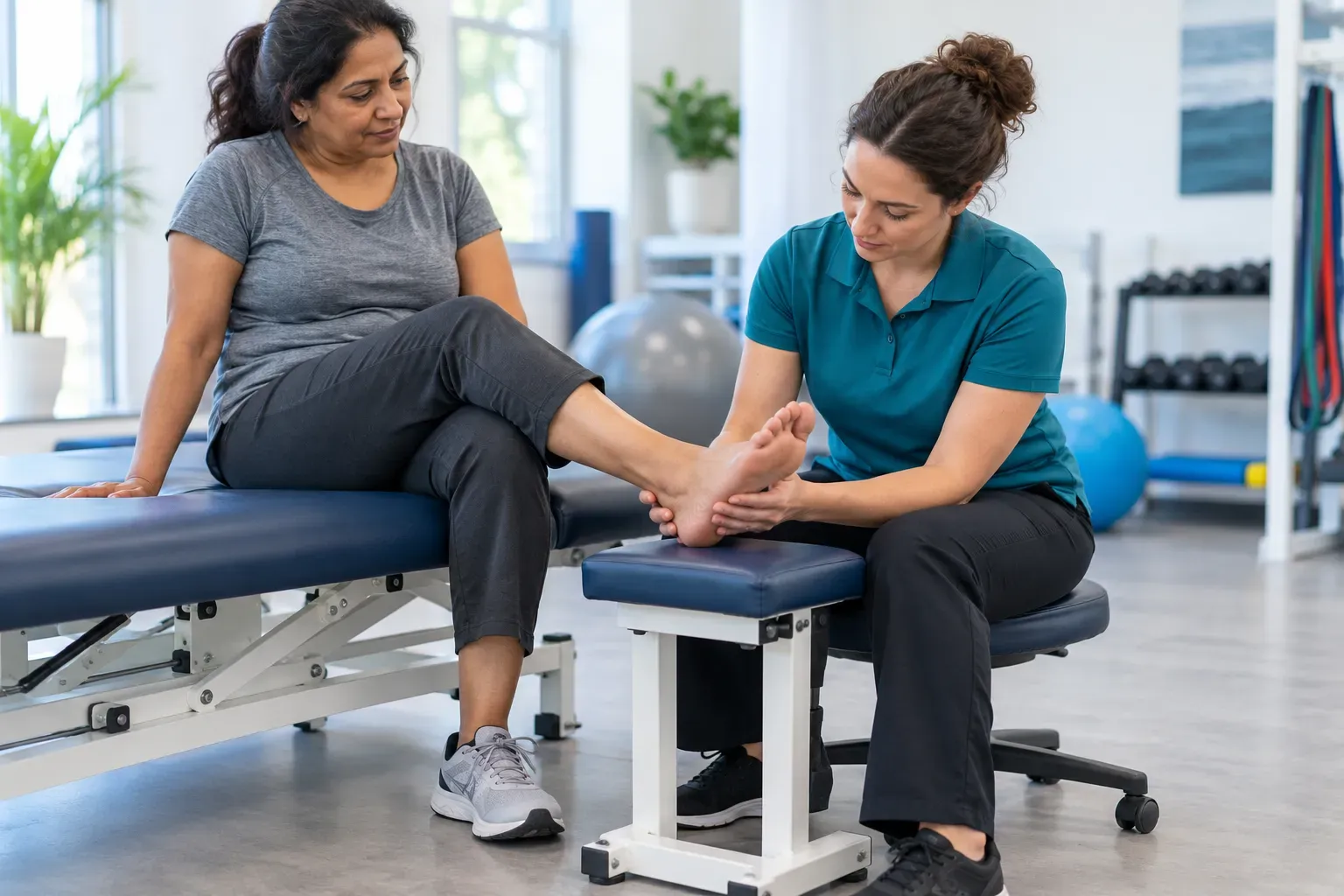
Heel pain with your first steps in the morning? Learn what the pattern may mean and how Dynamic Physiotherapy in Mississauga assesses and supports recovery.

Neck stiffness at your desk or while driving? Dynamic Physiotherapy in Mississauga offers hands-on care and guided exercises. Request an appointment.
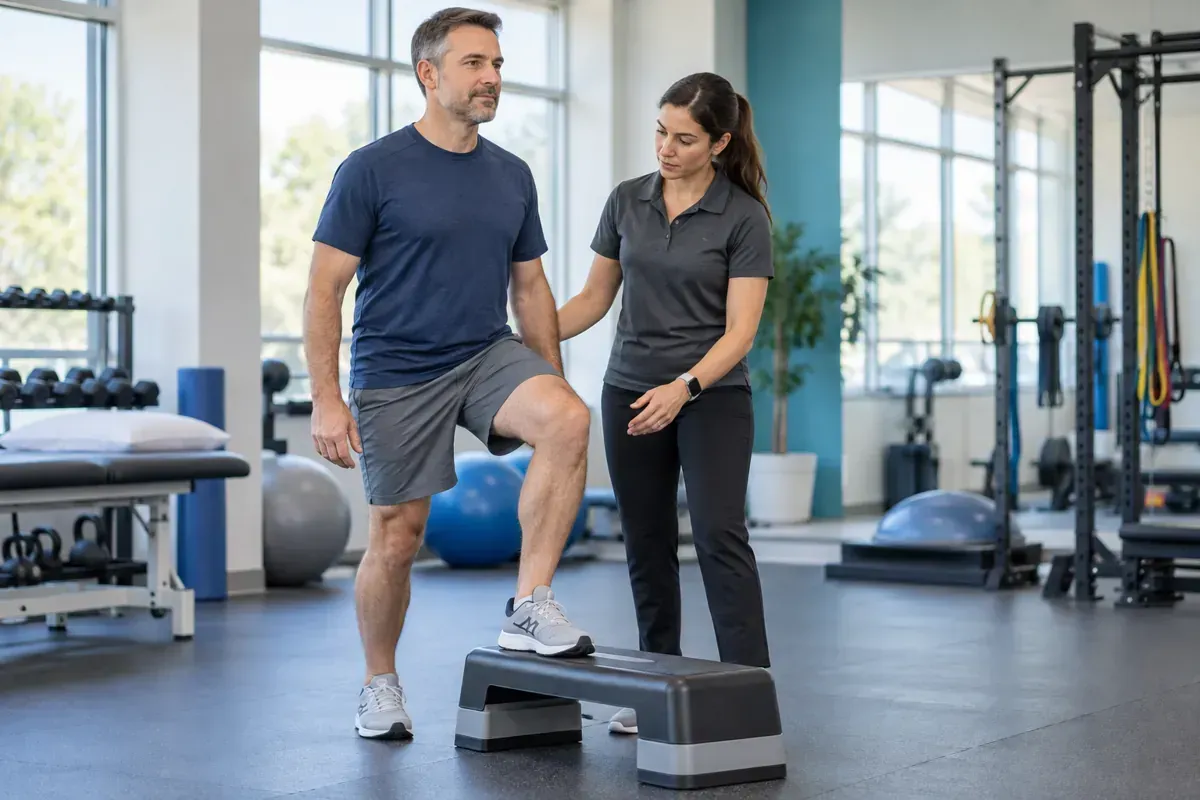
Returning to exercise after an injury? Learn how physiotherapy in Mississauga supports strength, mobility and a gradual return to activity.
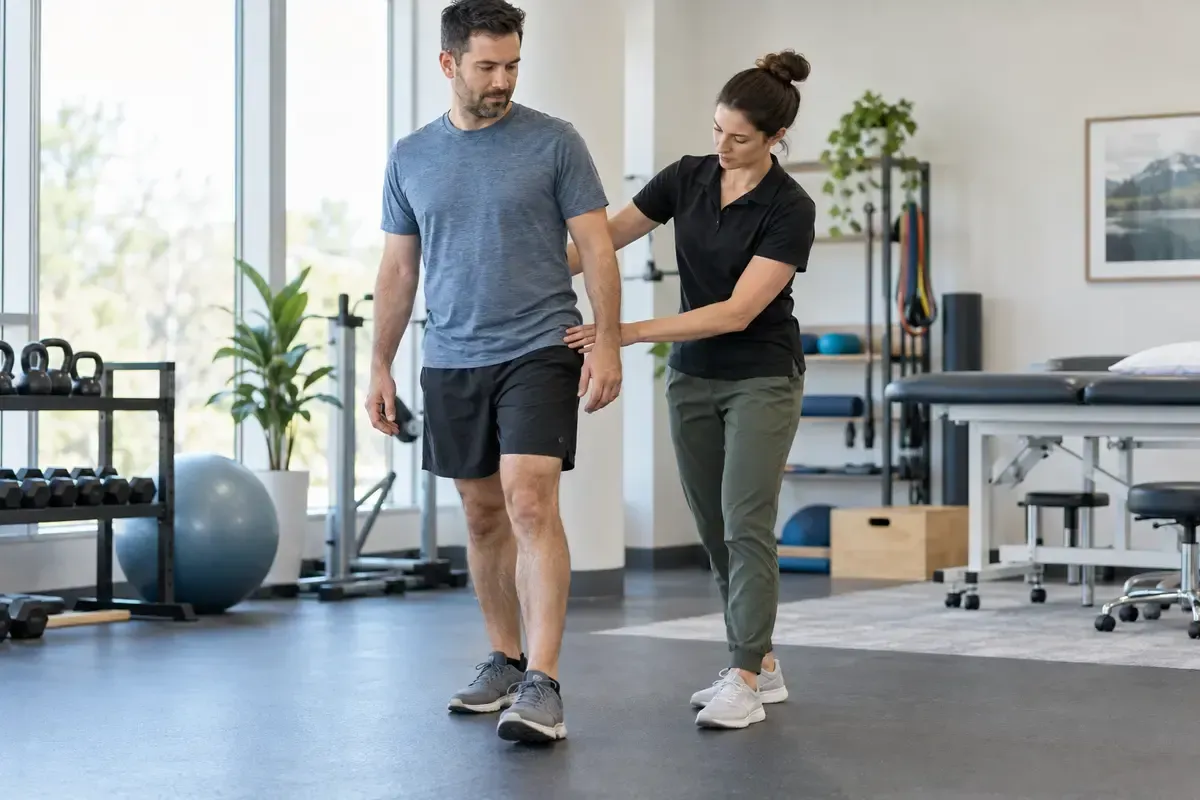
Learn why hip pain may affect walking and standing and how physiotherapy assessment in Mississauga examines mobility, strength and movement control.

Learn why elbow pain may persist during gripping and lifting, what physiotherapy assessment examines, and how rehabilitation may support recovery.
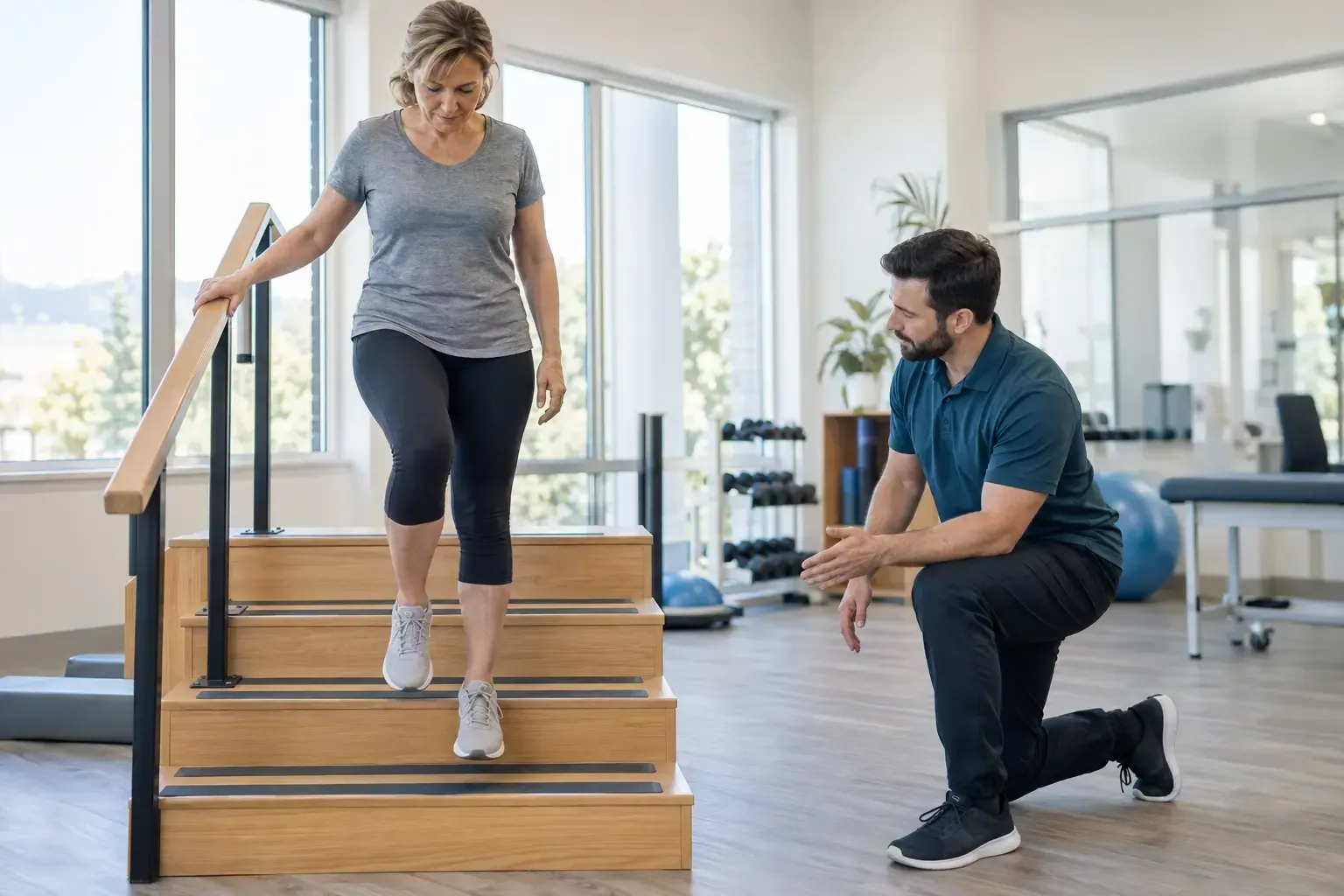
Learn why knee pain may worsen on stairs and how physiotherapy assessment in Mississauga examines strength, mobility and movement control.
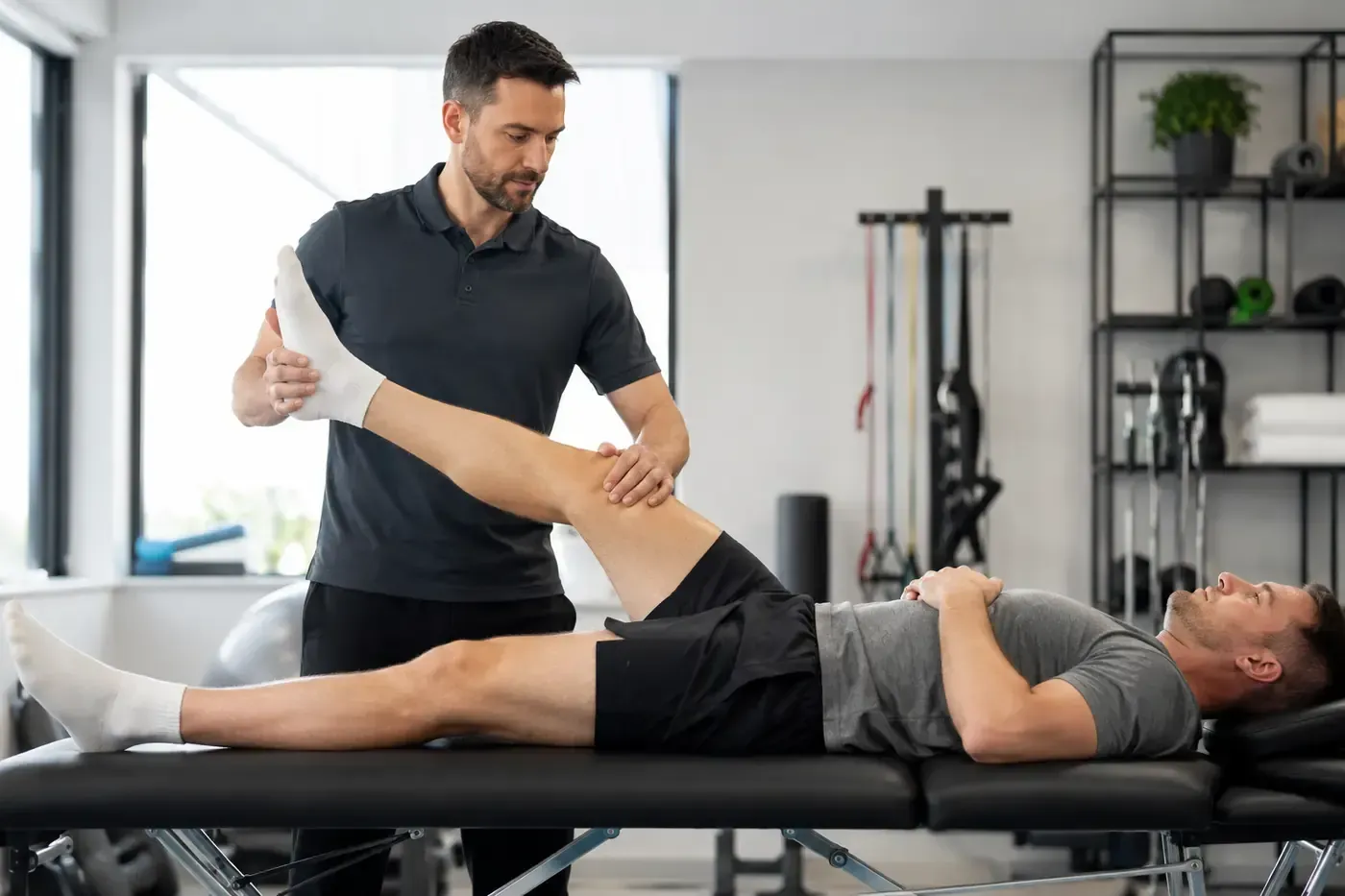
Learn why sciatica symptoms may travel from the lower back into the leg and how physiotherapy assessment in Mississauga can guide rehabilitation.
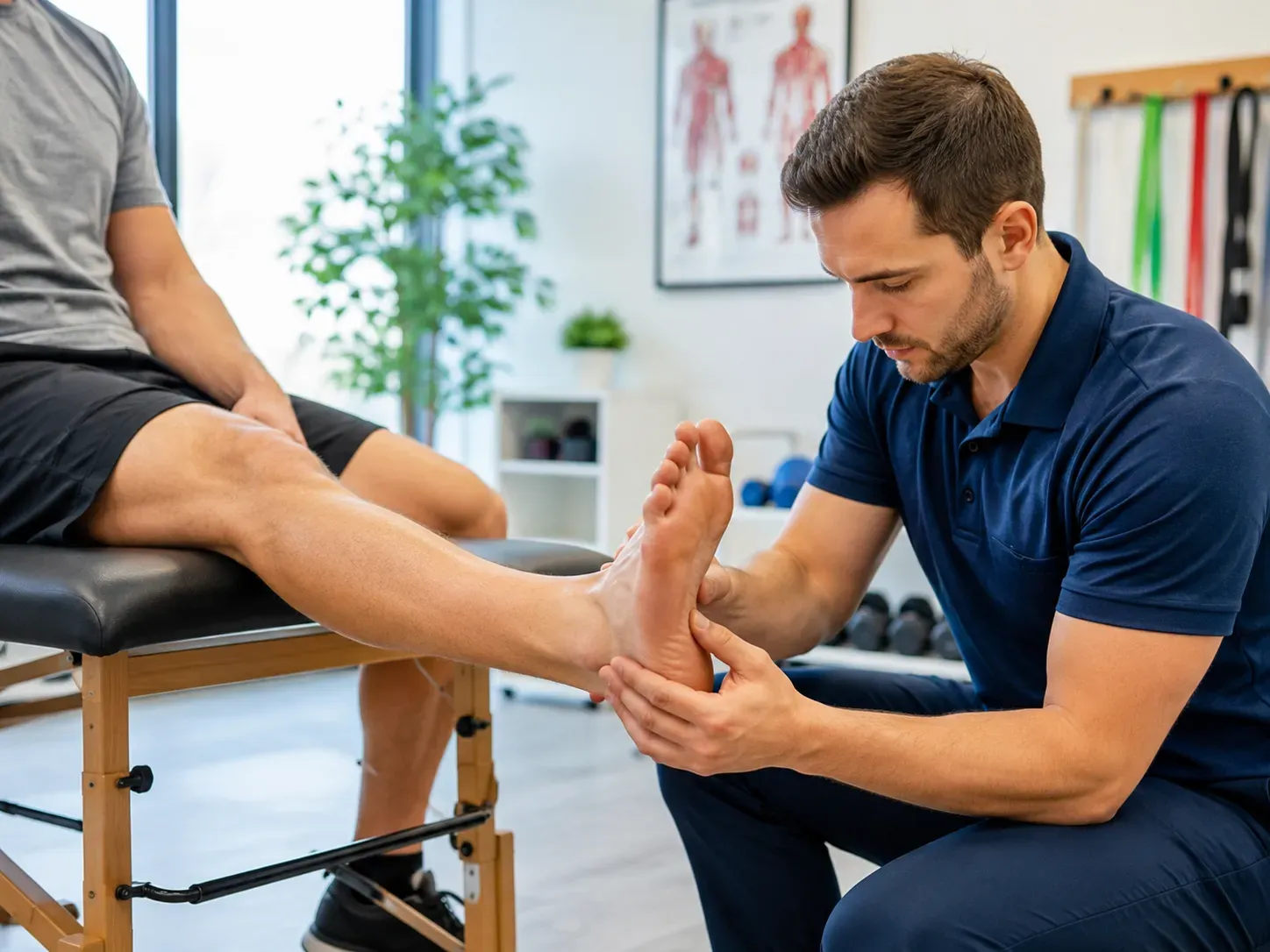
Learn why plantar fasciitis and heel pain can keep returning and how physiotherapy, Shockwave Therapy, exercise and foot support may help recovery.

Contact Dynamic Physiotherapy & Sports Injury in Mississauga
For expert care and rehabilitation, contact Dynamic Physiotherapy & Sports Injury in Mississauga. Our dedicated team is ready to help you recover and achieve your health goals.