
Why Neck and Shoulder Pain Can Be Connected: Posture, Mobility and Movement
Learn why neck and shoulder discomfort can sometimes be related, and how a physiotherapy assessment can help identify movement, mobility and strength factors that may be contributing.
Neck and shoulder pain are often treated as separate problems, but the two areas work closely together.
The neck, upper back, shoulder blades and shoulder joints all contribute to everyday movements such as reaching, lifting, working at a computer, driving and exercising. When movement or strength is limited in one area, another area may sometimes compensate.
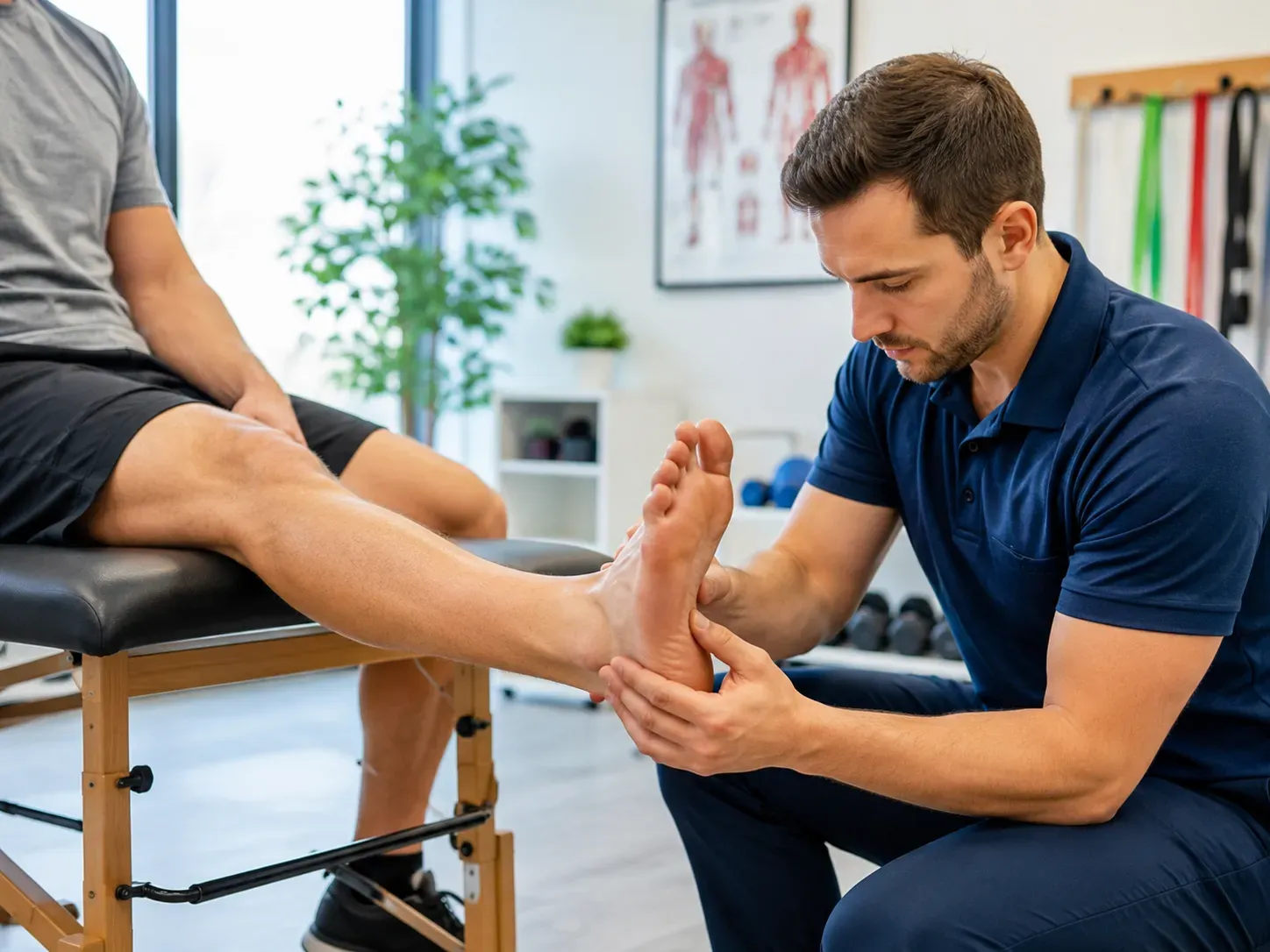
At Dynamic Physiotherapy & Sports Injury Clinic in Mississauga, a physiotherapy assessment can help determine whether neck or shoulder discomfort may be related to mobility restrictions, muscle tension, posture, weakness, repetitive activity or another underlying factor.
Learn more about
Neck Pain Treatment
Neck and Shoulder Movement Work Together
The shoulder does not move independently. When you raise your arm, reach overhead or perform many everyday tasks, movement occurs through several areas including the shoulder joint, shoulder blade, upper back and neck.
If one part of this system is not moving efficiently, surrounding muscles and joints may have to work differently. For example, limited shoulder mobility may contribute to increased effort through the upper shoulder and neck muscles. Likewise, stiffness or reduced movement through the neck and upper back may affect how comfortably the shoulder moves.
This does not mean that every case of neck pain comes from the shoulder, or that every shoulder problem originates in the neck. It does mean that looking at both areas can sometimes provide a more complete picture.
Posture Can Affect How the Neck and Shoulders Work
Long periods of sitting, computer work, driving or looking down at a phone can place the neck and shoulders in the same position for extended periods.
Over time, some people may experience:
- Neck stiffness
- Upper shoulder tension
- Reduced neck movement
- Discomfort between the shoulder blades
- Shoulder fatigue
- Pain when reaching or lifting
- Headaches associated with muscle tension
Posture itself is not always the sole cause of pain. However, prolonged positioning combined with limited movement, repetitive activity or reduced muscular endurance may contribute to symptoms.
Changing position regularly and maintaining adequate mobility and strength can therefore be important parts of recovery.
Shoulder Problems Can Sometimes Be Felt Around the Neck
Shoulder conditions may cause people to alter how they move. Someone experiencing shoulder pain may elevate the shoulder, avoid certain movements or rely more heavily on the muscles around the neck and upper back.
Over time, this compensation may create additional tension or discomfort. Shoulder pain can develop from a number of causes, including overuse, joint strain, tendon irritation, rotator cuff problems or repetitive activity. Dynamic’s Shoulder Pain program begins with assessment so treatment can be based on the actual cause rather than simply the location of symptoms.
Learn more about
Shoulder Pain Treatment
Why Assessment Matters
When neck and shoulder discomfort occur together, treating only the painful spot may not provide the full picture.
A physiotherapy assessment may examine:
- Neck range of motion
- Shoulder mobility
- Shoulder-blade movement
- Muscle strength
- Posture and positioning
- Activities that aggravate symptoms
- Previous injuries
- Work or exercise demands
- Functional limitations
The goal is to understand how the area is functioning, not simply identify where it hurts.
At Dynamic Physiotherapy, treatment plans are individualized according to assessment findings, symptoms, goals and functional limitations.
Treatment Should Match the Cause
There is no single treatment that is appropriate for every person with neck or shoulder pain.
Depending on the assessment, physiotherapy may involve a combination of:
- Mobility exercises
- Progressive strengthening
- Movement retraining
- Postural education
- Manual therapy
- Home exercises
- Gradual return to activity
The specific approach depends on what is contributing to the symptoms.
For example, a person with restricted neck mobility may require a different plan than someone whose primary issue is shoulder weakness, repetitive strain or a rotator cuff injury.
When Neck or Shoulder Pain Keeps Returning
Recurring discomfort can be a sign that the underlying movement or strength issue has not been fully addressed. Symptoms may temporarily settle with rest, heat or reduced activity, but can return when normal demands resume.
This is why rehabilitation often focuses not only on reducing discomfort but also on rebuilding the mobility, strength and movement capacity needed for daily activity.
When Should You Seek Assessment?
Consider a professional assessment if neck or shoulder pain:
- Continues for more than a few days
- Keeps returning
- Limits movement
- Makes reaching or lifting difficult
- Interferes with work or sleep
- Develops after an injury
- Is accompanied by persistent weakness, numbness or tingling
More serious or unexplained symptoms may require medical assessment.
A More Complete Approach to Neck and Shoulder Pain
Neck and shoulder discomfort can sometimes be closely connected. Understanding mobility, strength, posture, repetitive activity and movement patterns can help determine why symptoms are occurring and what type of rehabilitation may be appropriate.
At Dynamic Physiotherapy & Sports Injury Clinic in Mississauga, we provide individualized physiotherapy assessment and rehabilitation for neck pain, shoulder pain and other musculoskeletal conditions.
Learn more about
Neck Pain Treatment
Learn more about
Shoulder Pain Treatment
Contact Dynamic Physiotherapy:
SHARE POST:
Leave a Comment:
Our Recent Post:







Contact Dynamic Physiotherapy & Sports Injury in Mississauga
For expert care and rehabilitation, contact Dynamic Physiotherapy & Sports Injury in Mississauga. Our dedicated team is ready to help you recover and achieve your health goals.