
Why Hip Mobility Matters for Knee, Lower Back and Everyday Movement
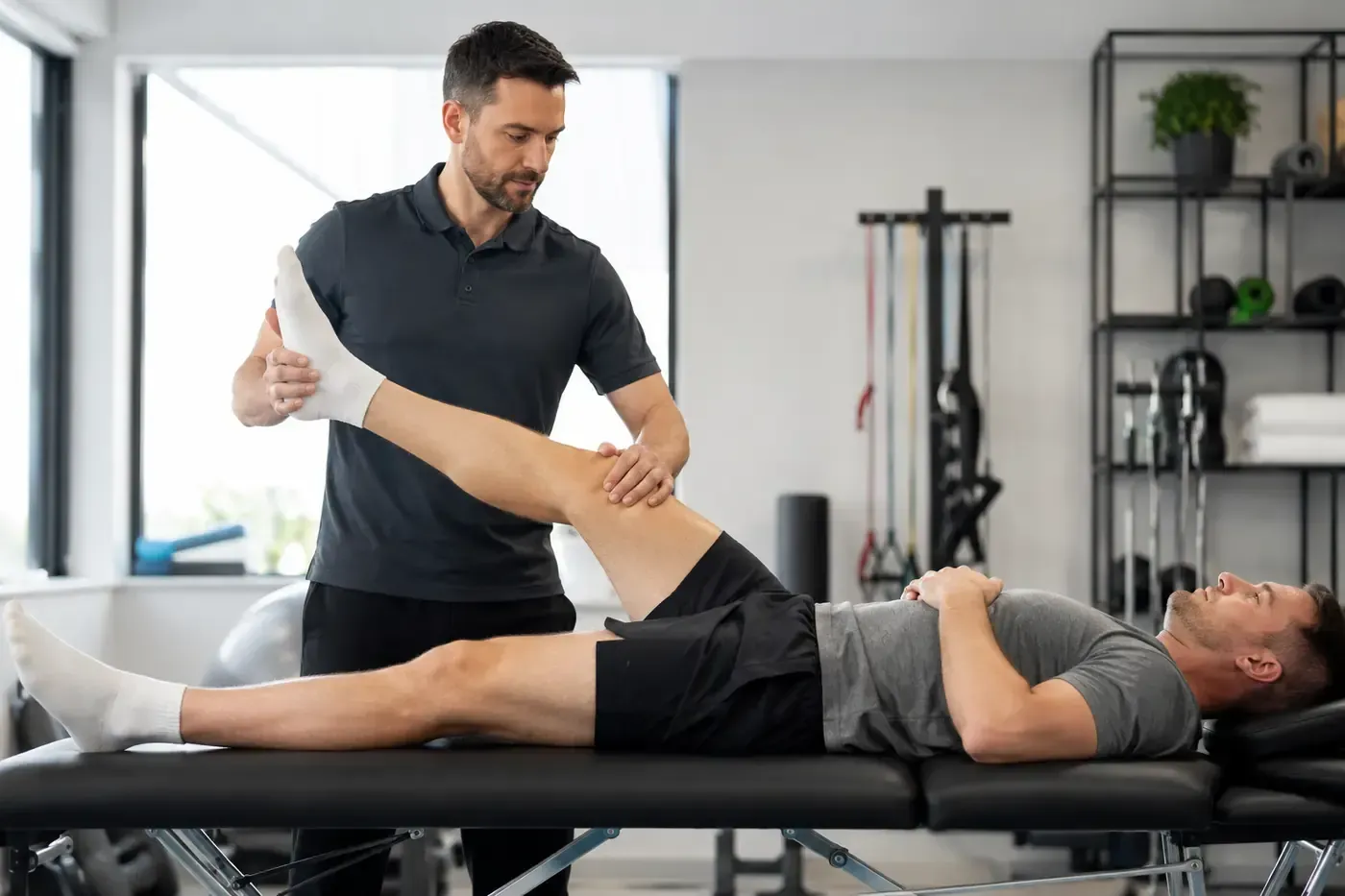
How restricted hip movement may affect walking, bending, exercise and the way surrounding areas manage physical demands.
Why Hip Mobility Matters for Knee, Lower Back and Everyday Movement
The hips play an important role in walking, climbing stairs, bending, lifting, exercising and changing direction. When one or both hips are stiff, weak or difficult to control, the body may begin using other areas differently to complete the same movement.
This does not mean that every case of knee or lower back pain begins at the hip. Pain can have many possible causes, and a proper assessment is needed before deciding which area requires treatment.
However, hip mobility and strength are important parts of overall movement. When discomfort keeps returning or everyday activities feel restricted, assessing the hips alongside the painful area may provide useful information.
At Dynamic Physiotherapy & Sports Injury Clinic in Mississauga, physiotherapy begins with an assessment of symptoms, movement, strength, mobility, functional limitations and individual goals.
What Does Hip Mobility Mean?
Hip mobility refers to how well the hip joint moves through the ranges required for everyday and recreational activities.
The hip is involved when you:
- Walk or run
- Sit down and stand up
- Bend toward the floor
- Climb stairs
- Step into a vehicle
- Turn or change direction
- Squat or kneel
- Lift objects
- Participate in sports
- Balance on one leg
Mobility is not only about flexibility. Effective movement also requires strength, coordination, balance and control.
A person may have enough passive movement when the leg is moved by someone else but still have difficulty controlling that range during standing, walking or exercise. Another person may have adequate strength but limited joint movement or muscle flexibility.
This is why treatment should be based on assessment rather than assumptions.
How Limited Hip Movement May Affect Everyday Activities
When hip movement is restricted, the body may find another way to complete a task.
For example:
- The lower back may bend or rotate more during lifting.
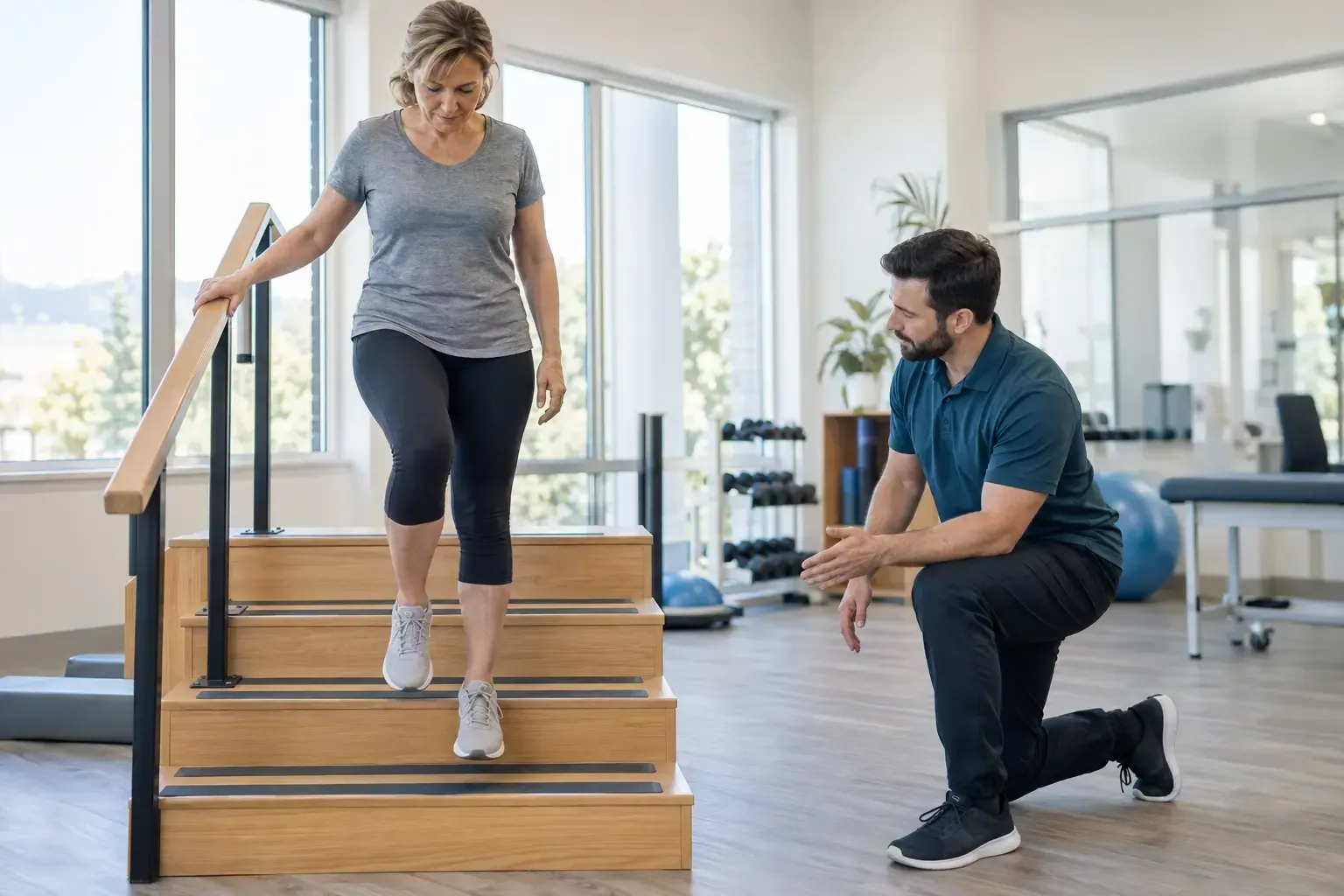
- The knee may move inward or outward during stairs or squatting.
- Steps may become shorter during walking.
- One side may take more weight than the other.
- The pelvis may shift during standing or single-leg activities.
- A person may avoid using the affected side.
- Sitting or rising from a chair may become uncomfortable.
These movement changes are not always harmful. The body regularly adapts to stiffness, weakness and injury.
The concern arises when an adaptation becomes uncomfortable, limits activity or places repeated demands on an area that is already irritated.
The Relationship Between the Hip and Knee
The hip and knee work together during walking, stairs, running, squatting and many recreational activities.
Muscles around the hip help control the position of the thigh. This can influence how the knee moves when the foot is on the ground.
A physiotherapy assessment may examine:
- Hip range of motion
- Hip muscle strength
- Knee mobility and stability
- Foot and ankle movement
- Balance
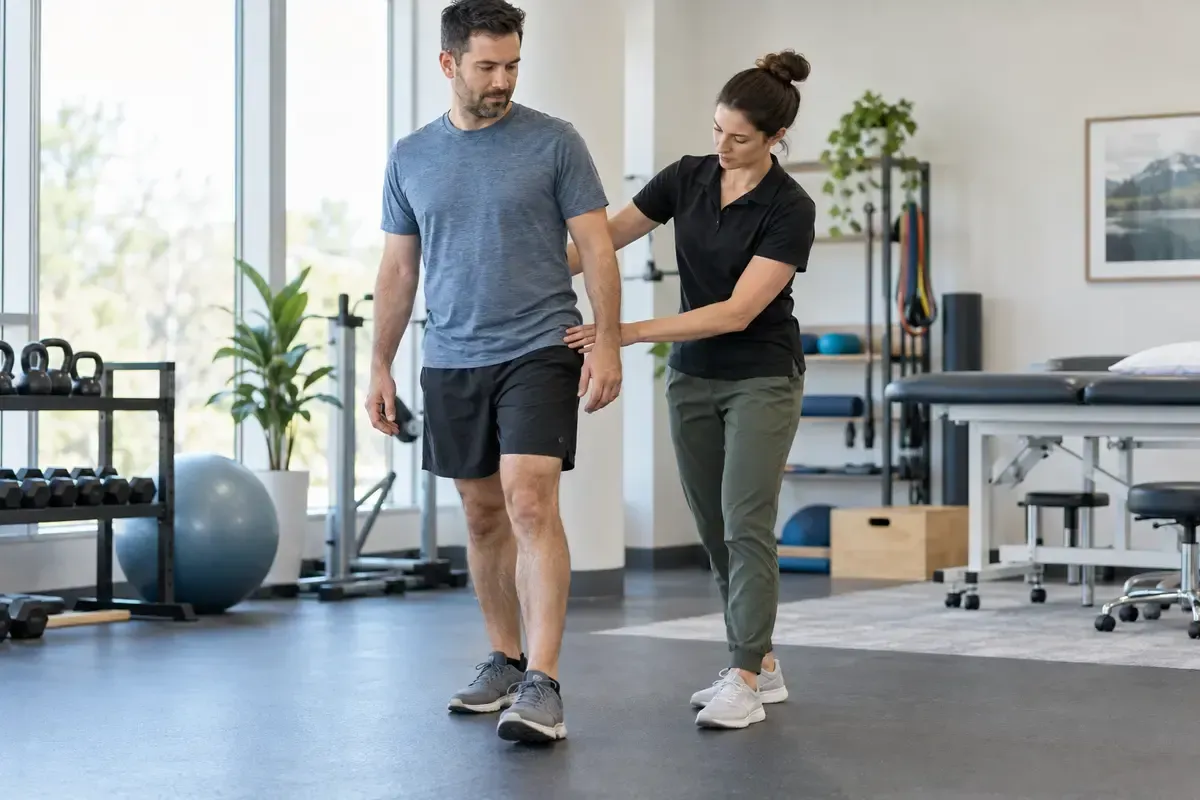
- Walking pattern
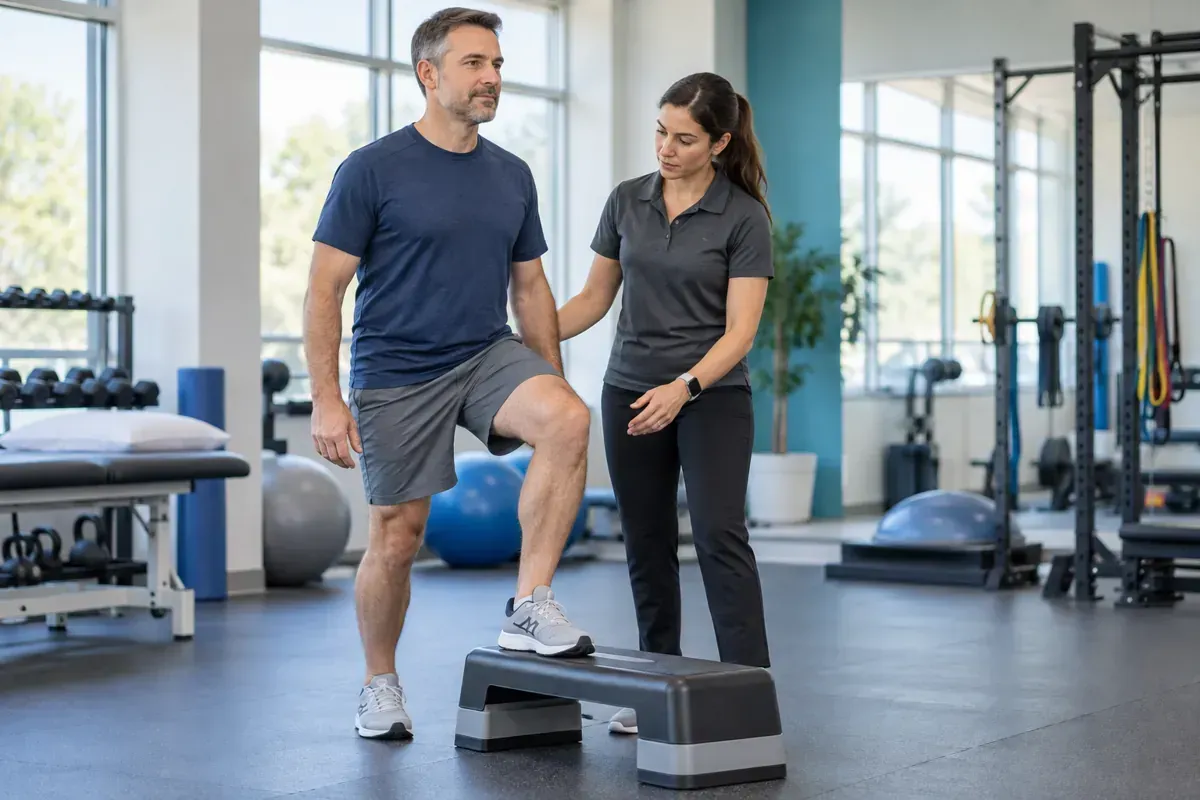
- Squatting or stepping mechanics
- Pain during specific activities
- Differences between the right and left sides
Knee discomfort should not automatically be blamed on weak hips. The knee itself may be the main source of the problem, and some symptoms require medical assessment or imaging.
The purpose of assessing the hip is to understand whether it may be one contributing part of the movement pattern.
Learn more about Physiotherapy Treatment in Mississauga.
The Relationship Between the Hip and Lower Back
The hips and lower back also share movement during bending, lifting, sitting, walking and changing positions.
When the hips do not contribute comfortably to a task, additional movement may occur through the pelvis or lower back. For some people, this may increase stiffness, fatigue or discomfort.
Examples may include:
- Excessive lower-back rounding during bending
- Difficulty extending the hip while walking
- Reduced rotation during turning
- Uneven weight distribution while standing
- Lower-back discomfort after prolonged sitting
- Difficulty using the hips during squats or lifting
Lower back pain can arise from many different structures and circumstances. Hip stiffness is only one possible factor and should not be treated as the cause without assessment.
Learn more about Lower Back Pain Physiotherapy in Mississauga.
Why One Side May Feel Different From the Other
It is common for the two sides of the body to move somewhat differently. Small differences do not necessarily indicate a problem.
More significant differences may develop following:
- A previous injury
- Surgery
- Prolonged pain
- Reduced activity
- Repetitive work or sport
- Habitual sitting positions
- Avoiding one leg
- Weakness or reduced balance
- Joint or muscle stiffness
A person may not notice the difference until performing a demanding activity such as running, climbing stairs, lifting or standing on one leg.
Assessment helps determine whether the difference is meaningful and whether it relates to the person’s symptoms or functional limitations.
Signs That Hip Mobility May Need to Be Assessed
Consider a physiotherapy assessment when you experience:
- Hip or groin discomfort
- Difficulty putting on shoes or socks
- Stiffness when standing after sitting
- Reduced walking tolerance
- Difficulty climbing stairs
- Pain during squatting or lunging
- Knee or lower-back discomfort that returns with activity
- Reduced ability to rotate or change direction
- Weakness or instability on one leg
- Difficulty returning to exercise or sport
- Noticeable differences between sides
Sudden severe pain, inability to bear weight, major swelling, significant trauma or rapidly worsening symptoms may require prompt medical assessment.
What a Physiotherapist May Assess
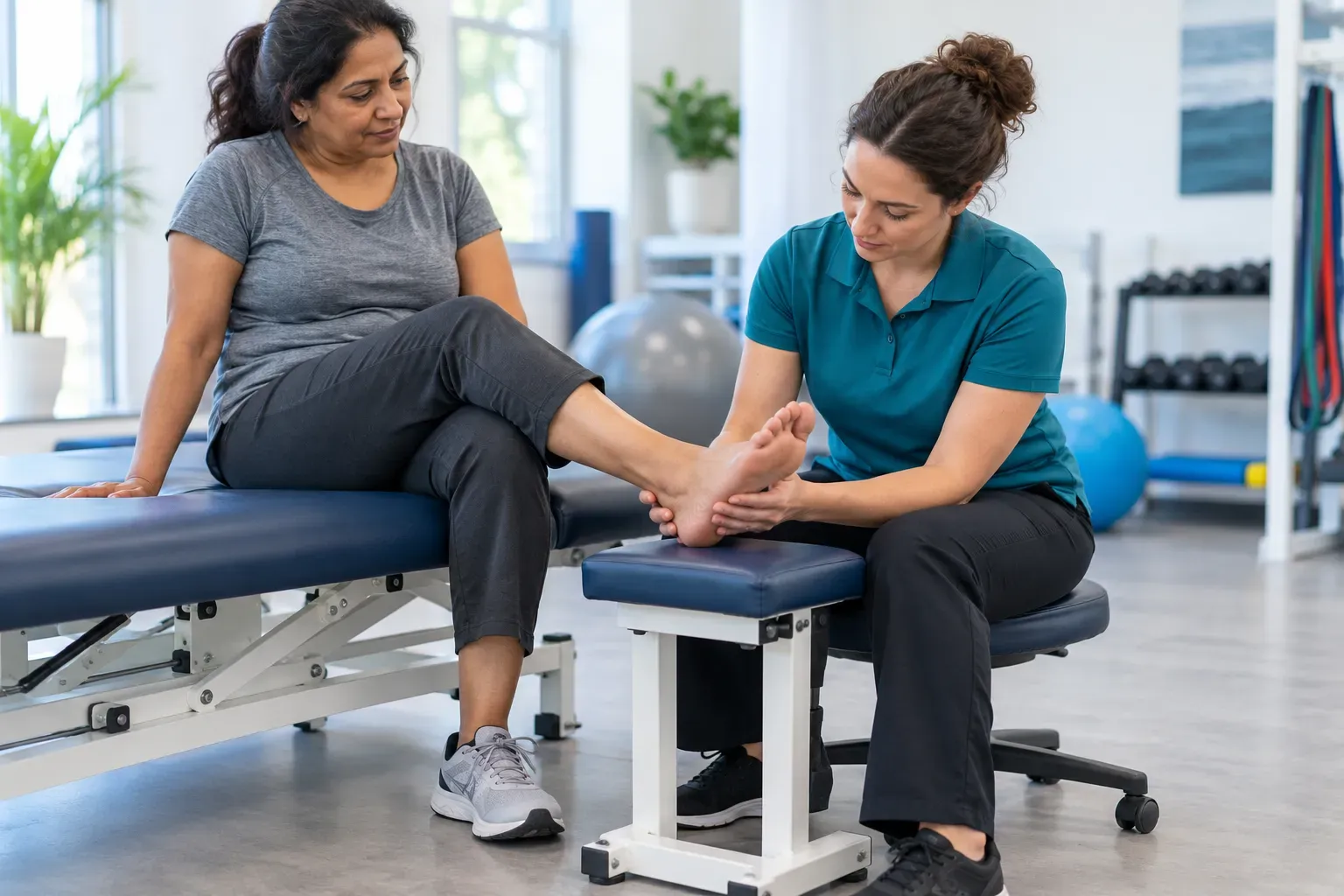
A hip and lower-limb assessment may include more than checking where pain is felt.
Depending on the symptoms, the physiotherapist may review:
- Health and injury history
- Location and behaviour of pain
- Hip, knee and ankle mobility
- Muscle strength
- Balance and coordination
- Walking pattern
- Functional movements
- Work or activity demands
- Previous treatment
- Goals for recovery
The assessment helps identify an appropriate starting point and determine whether another healthcare provider, medical imaging or additional investigation may be required.
How Physiotherapy May Address Hip Mobility
Treatment depends on the assessment findings. Not every client requires the same combination of services.
A physiotherapy plan may include:
Education and activity guidance
Understanding which activities aggravate symptoms can help the client remain active while reducing unnecessary irritation.
Mobility exercises
Gentle exercises may be used to improve movement where appropriate. The direction, range and intensity should reflect the client’s condition and response.
Progressive strengthening
Strengthening may focus on the hip, leg, trunk or other areas involved in the activity. Exercises should begin at an appropriate level and progress gradually.
Balance and movement-control exercises
These exercises may help improve control during walking, stairs, single-leg activities or return to sport.
Hands-on treatment
Manual therapy or soft-tissue techniques may be included when appropriate to the individual treatment plan.
Functional rehabilitation
Exercises may progress toward the movements required for work, recreation, exercise or everyday activities.
Explore Personalized Exercise Programs in Mississauga.
Why Stretching Alone May Not Be Enough
Stretching may be useful when muscle or joint stiffness is limiting movement, but it is not always the complete solution.
A person may also need to improve:
- Strength
- Balance
- Coordination
- Movement confidence
- Joint control
- Activity tolerance
- Lifting or walking technique
In some cases, repeated stretching may not be appropriate for the underlying issue. An area that feels tight may actually be working harder because another area is weak or poorly controlled.
Assessment helps determine whether mobility, strength, control or a combination of these factors should be addressed.
Hip Mobility for Sports and Exercise
The hips are involved in many sporting movements, including running, jumping, kicking, pivoting and changing direction.
After an injury or period of inactivity, a person may regain basic movement but still have difficulty with faster or more demanding tasks.
Sports rehabilitation may gradually progress through:
- Mobility restoration
- Muscle activation
- Strength development
- Balance and coordination
- Movement-control exercises
- Running or jumping preparation
- Sport-specific activities
- Gradual return to participation
Progression should be based on symptoms, ability and rehabilitation goals rather than a fixed schedule.
Learn more about Sports Injury Rehabilitation in Mississauga.
The Goal Is Better Function—not Perfect Flexibility
More flexibility is not always better.
The amount of hip mobility required depends on the individual’s anatomy, health history, work, activities and goals. A recreational runner may require different movement than someone whose priority is sitting comfortably at work or climbing stairs at home.
The goal of physiotherapy is not to force every person into the same range of movement. It is to help the client develop the mobility, strength and control needed for safer and more comfortable function.
Physiotherapy for Hip and Movement Concerns in Mississauga
Hip stiffness or weakness may sometimes contribute to difficulty with the knee, lower back or everyday movement. However, the painful area and surrounding regions should be assessed before treatment recommendations are made.
At Dynamic Physiotherapy & Sports Injury Clinic in Mississauga, treatment is personalized according to the client’s symptoms, assessment findings, functional needs and recovery goals.
Physiotherapy may be considered when hip, knee or lower-back symptoms affect:
- Walking
- Stairs
- Work
- Exercise
- Sport
- Sleep
- Sitting
- Lifting
- Everyday independence
Book a Physiotherapy Assessment
A personalized assessment can help determine whether hip mobility, strength or movement control may be contributing to your symptoms.
Treatment recommendations may include education, mobility work, strengthening, balance exercises, hands-on care and gradual progression toward your everyday or recreational goals.
Learn more about Physiotherapy at Dynamic
SHARE POST:
Leave a Comment:
Our Recent Post:




Contact Dynamic Physiotherapy & Sports Injury in Mississauga
For expert care and rehabilitation, contact Dynamic Physiotherapy & Sports Injury in Mississauga. Our dedicated team is ready to help you recover and achieve your health goals.