
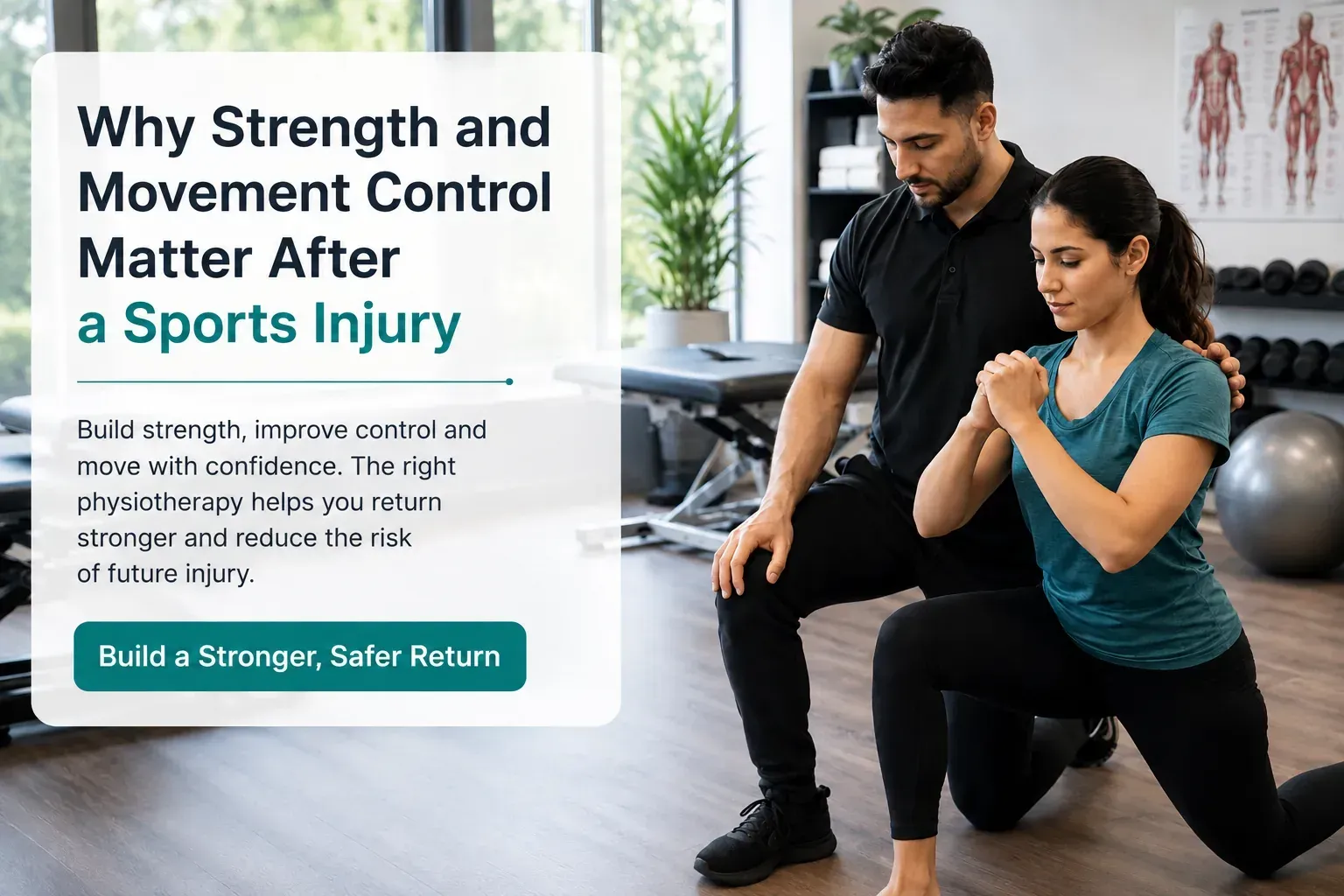
Why Strength and Movement Control Matter After a Sports Injury
Learn why recovery involves more than reducing pain and how guided rehabilitation can help rebuild strength, balance and confidence in movement.
Why Strength and Movement Control Matter After a Sports Injury
After a sports injury, many people focus mainly on when the pain will stop.
Pain reduction is important, but it does not always mean that strength, balance, mobility and movement control have fully returned. A person may feel better during everyday activities but still experience difficulty when running, changing direction, lifting, jumping or returning to a sport.
At Dynamic Physiotherapy & Sports Injury Clinic in Mississauga, rehabilitation is guided by the individual injury, current movement limitations and the activities the patient wants to return to.
Feeling Better Is Not Always the Same as Being Fully Recovered
Pain can improve before the injured area has regained its previous strength and tolerance.
For example, someone recovering from a knee, ankle, hip or shoulder injury may be able to walk or complete basic tasks comfortably, but still notice:
- Weakness during more demanding activity
- Reduced balance or confidence
- Stiffness during certain movements
- Difficulty controlling the joint under load
- Early fatigue
- Uneven movement between the injured and uninjured sides
These limitations may become more noticeable only when the person attempts to return to exercise, work or sport.
Why Strength Matters During Rehabilitation
Strength helps the body manage the forces involved in walking, running, lifting, climbing, jumping and changing direction.
After an injury, muscles around the affected area may become weaker because of pain, swelling, reduced use or temporary changes in movement.
A progressive strengthening program may help improve:
- Joint support
- Load tolerance
- Functional movement
- Stability
- Confidence during activity
- The ability to return gradually to regular exercise
Exercises should be selected according to the patient’s current ability rather than progressing too quickly or using the same program for every injury.
Learn more about our Sports Injury Rehabilitation in Mississauga.
Movement Control Is More Than Flexibility
Movement control refers to how well the body coordinates a movement while maintaining appropriate alignment, balance and stability.
A person may have enough flexibility to complete a movement but still struggle to control it properly.
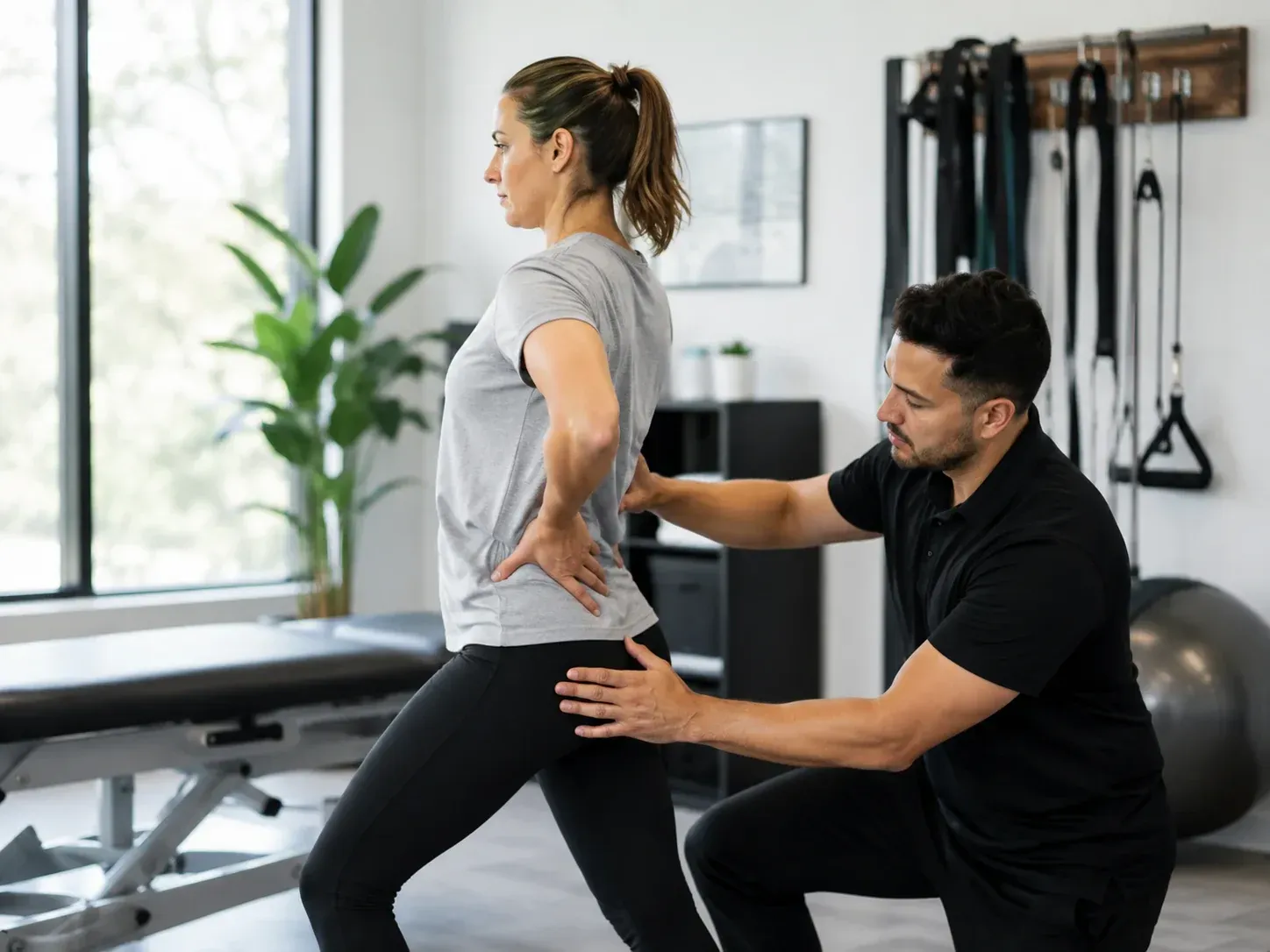
For example, during a squat or lunge, the physiotherapist may observe:
- How the knee tracks
- Whether the hips remain level
- How weight is distributed
- Whether one side works harder than the other
- Whether pain changes the movement pattern
- How well the patient maintains balance
These observations can help guide exercise selection and determine which areas may require additional attention.
Why Balance and Coordination May Need to Be Rebuilt
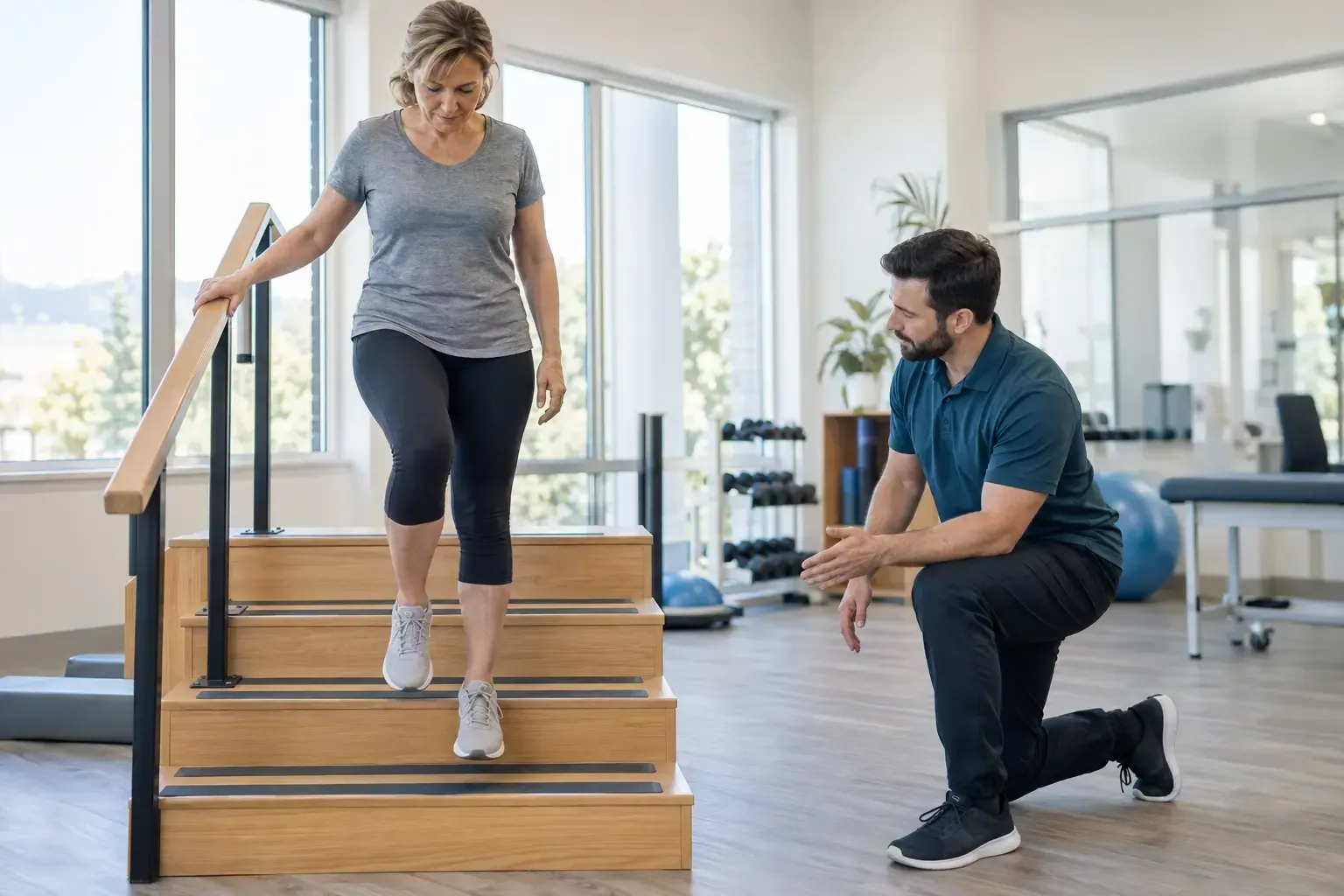
Balance can be affected after injuries involving the ankle, knee, hip or lower back.
Even after swelling and pain improve, the person may feel uncertain when standing on one leg, stepping onto an uneven surface or changing direction quickly.
Balance and coordination exercises may be introduced gradually to help the body respond more effectively during movement.
This can be especially important for athletes, active adults and people whose work requires lifting, climbing or prolonged standing.
Returning to Activity Too Quickly Can Create Problems
It is common to test an injury as soon as pain begins to improve.
However, returning too quickly may place the body under demands it is not yet prepared to manage. This can result in recurring symptoms, compensation or reduced confidence.
A gradual return may include:
- Restoring comfortable range of motion
- Rebuilding basic strength
- Improving balance and movement control
- Increasing resistance and endurance
- Practising activity-specific movements
- Gradually returning to sport, exercise or work demands
The pace of progression depends on the injury, symptoms and response to rehabilitation.
Rehabilitation Should Reflect the Activity You Want to Return To
A person returning to recreational walking has different physical demands than someone returning to soccer, tennis, hockey, running or weight training.
Treatment planning should therefore consider:
- The movements required by the activity
- Speed and direction changes
- Repetitive loading
- Strength and endurance requirements
- Previous injury history
- Confidence and fear of reinjury
- Work and lifestyle demands
This allows rehabilitation to become more specific as recovery progresses.
The Role of Physiotherapy Assessment
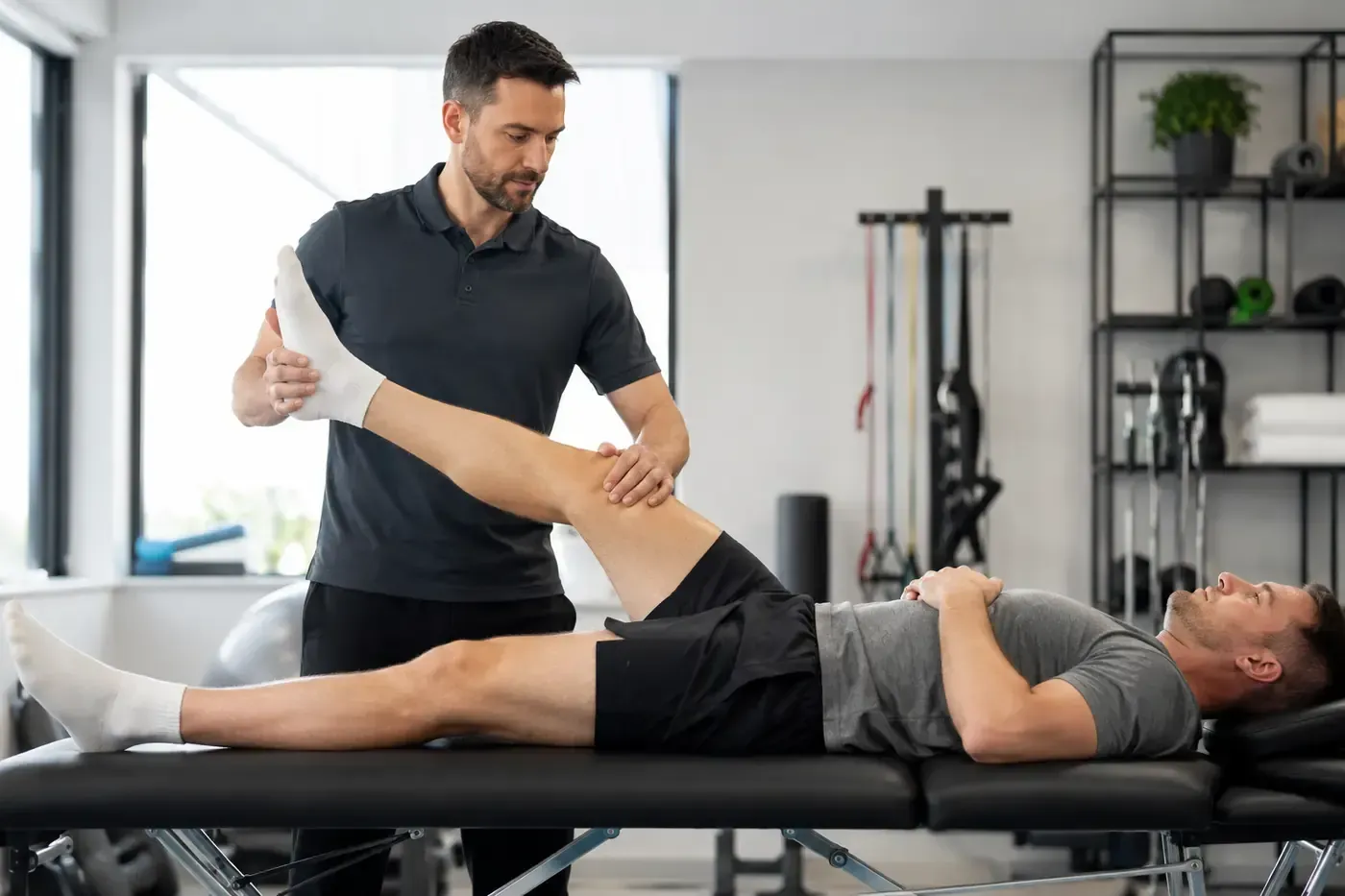
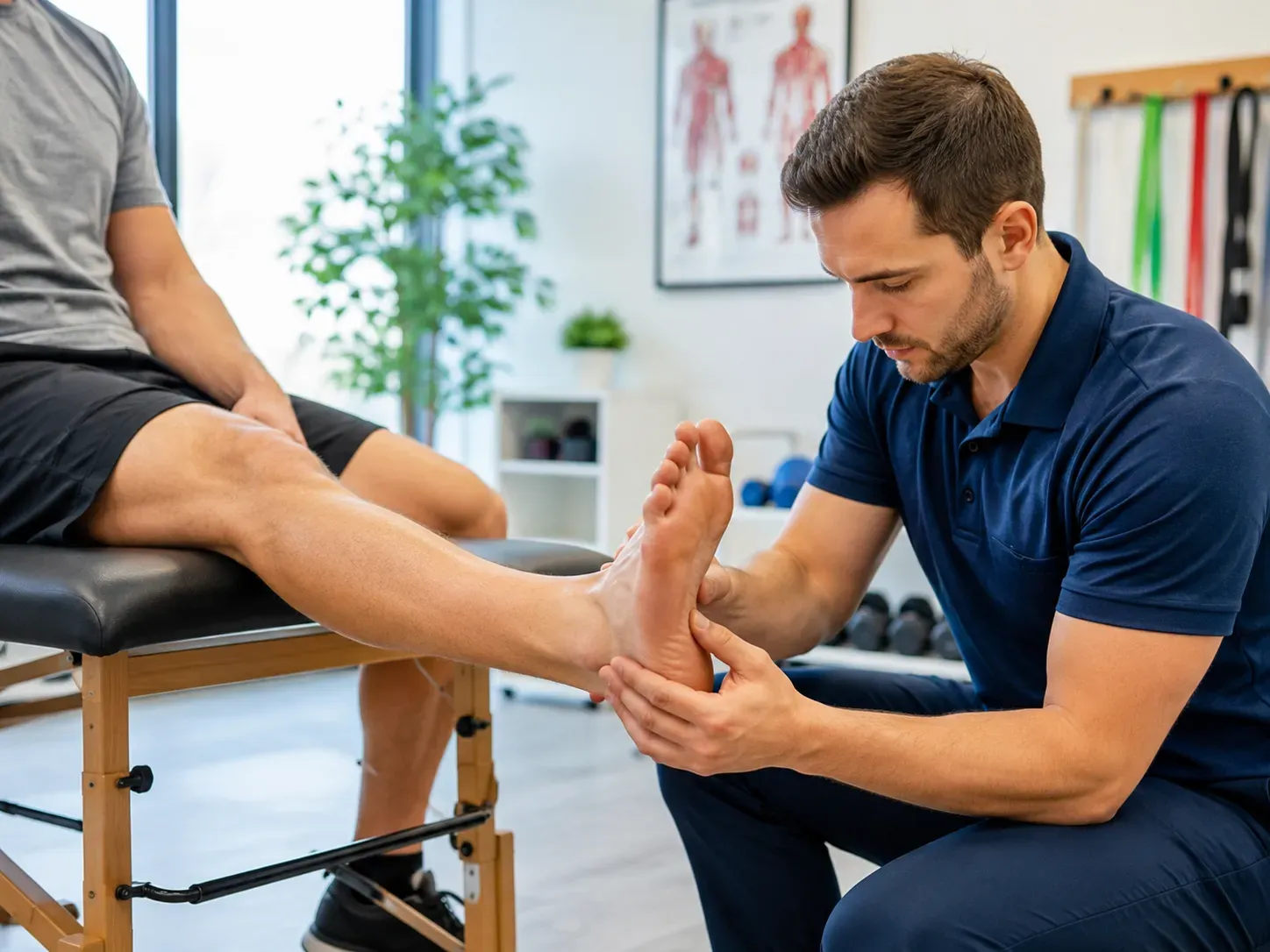
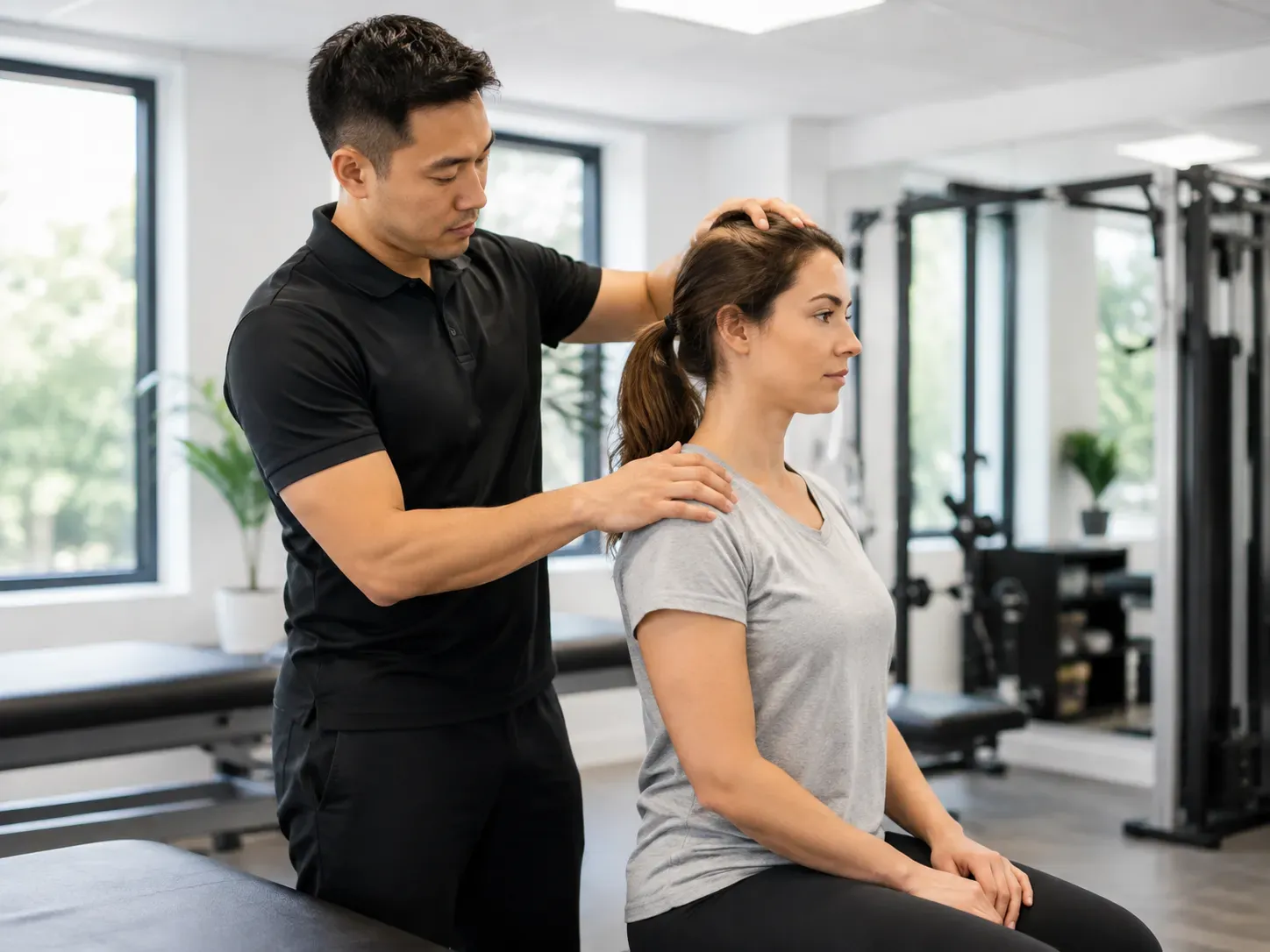
A physiotherapy assessment may examine more than the painful area.
The physiotherapist may review:
- Joint mobility
- Muscle strength
- Balance
- Movement quality
- Functional limitations
- Previous injuries
- Activity goals
- Factors that aggravate or reduce symptoms
This helps identify which parts of recovery should be prioritized.
Learn more about our Physiotherapy Services in Mississauga.
When Should You Consider Sports Injury Rehabilitation?
Physiotherapy may be appropriate when:
- Pain continues during exercise or sport
- Strength has not fully returned
- The injured side feels unstable
- You are avoiding certain movements
- Symptoms repeatedly return
- You are unsure how quickly to increase activity
- You want guidance before returning to sport
- The injury is affecting work or everyday movement
An assessment can help determine whether the injury is ready for greater activity or whether additional rehabilitation may be needed.
Supporting a Safer Return to Movement
The goal of sports injury rehabilitation is not simply to complete a set of exercises.
It is to help the patient rebuild the physical qualities needed for everyday movement, exercise, work and sport.
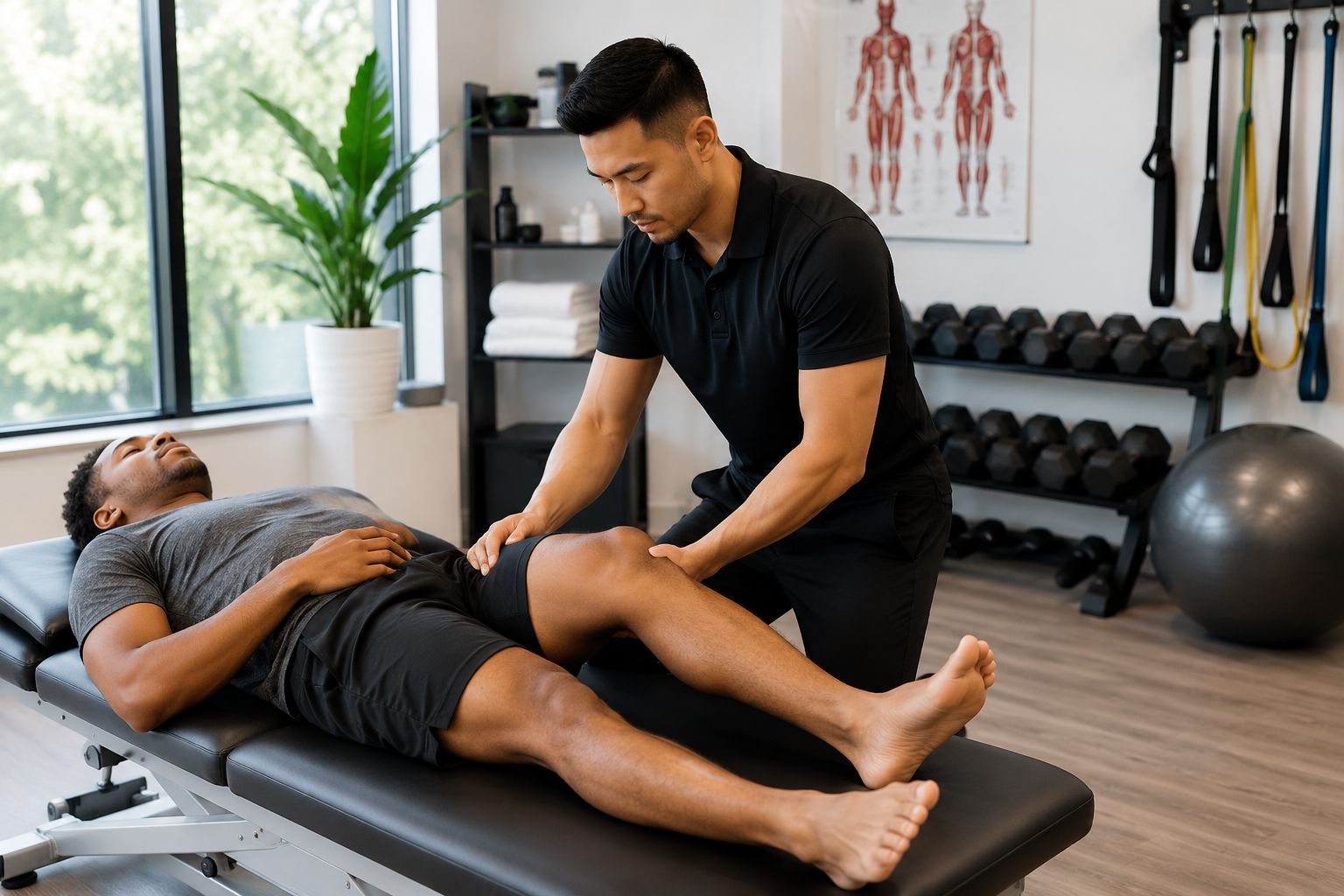
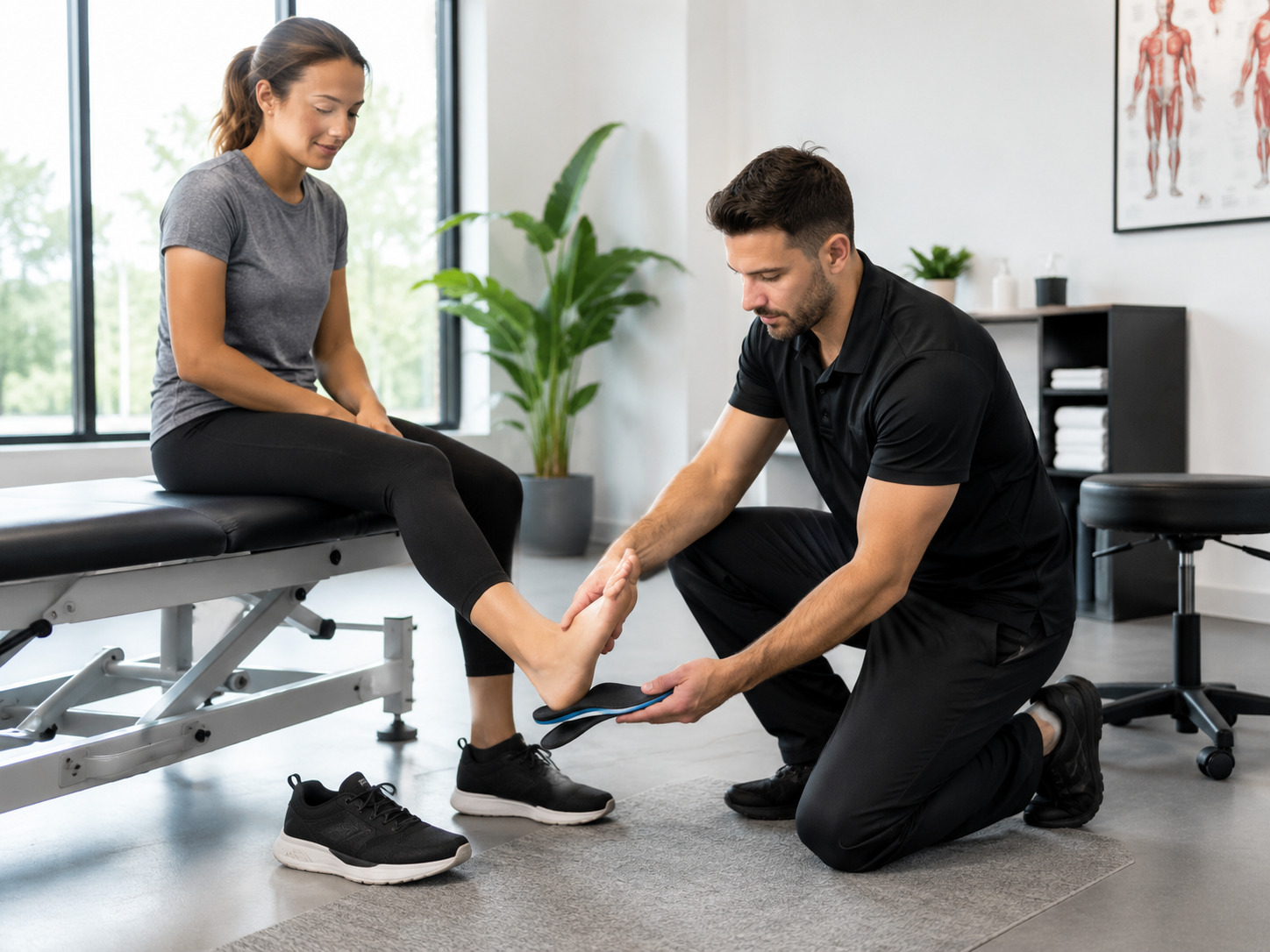
At Dynamic Physiotherapy & Sports Injury Clinic in Mississauga, treatment may include hands-on care, mobility work, progressive strengthening, balance training, movement retraining and a structured home exercise program.
The plan is adjusted according to progress, symptoms and the activities the patient wants to resume.
Begin With a Physiotherapy Assessment
If an injury is limiting your movement, strength or confidence, begin with a personalized physiotherapy assessment.
Your physiotherapist can assess the affected area, review how you move and develop a rehabilitation plan based on your current needs and goals.
Learn more about Sports Injury Rehabilitation:
SHARE POST:
Leave a Comment:
Our Recent Post:

Contact Dynamic Physiotherapy & Sports Injury in Mississauga
For expert care and rehabilitation, contact Dynamic Physiotherapy & Sports Injury in Mississauga. Our dedicated team is ready to help you recover and achieve your health goals.