
When Should You Consider Custom Foot Orthotics?
How a personalized assessment can help determine whether custom orthotics may support foot comfort, pressure distribution and everyday movement.
When Should You Consider Custom Foot Orthotics?
Foot discomfort can affect much more than your feet.
When standing, walking, working or exercising becomes uncomfortable, you may begin changing how you move. This can place additional strain on other areas of the lower body and make everyday activities more difficult.
Custom foot orthotics are personalized shoe inserts designed to support or accommodate how the feet function during standing and movement. They are not appropriate for every concern, which is why the process should begin with an individual assessment rather than a one-size-fits-all recommendation.
What Are Custom Foot Orthotics?
Custom foot orthotics are individually designed devices worn inside suitable footwear.
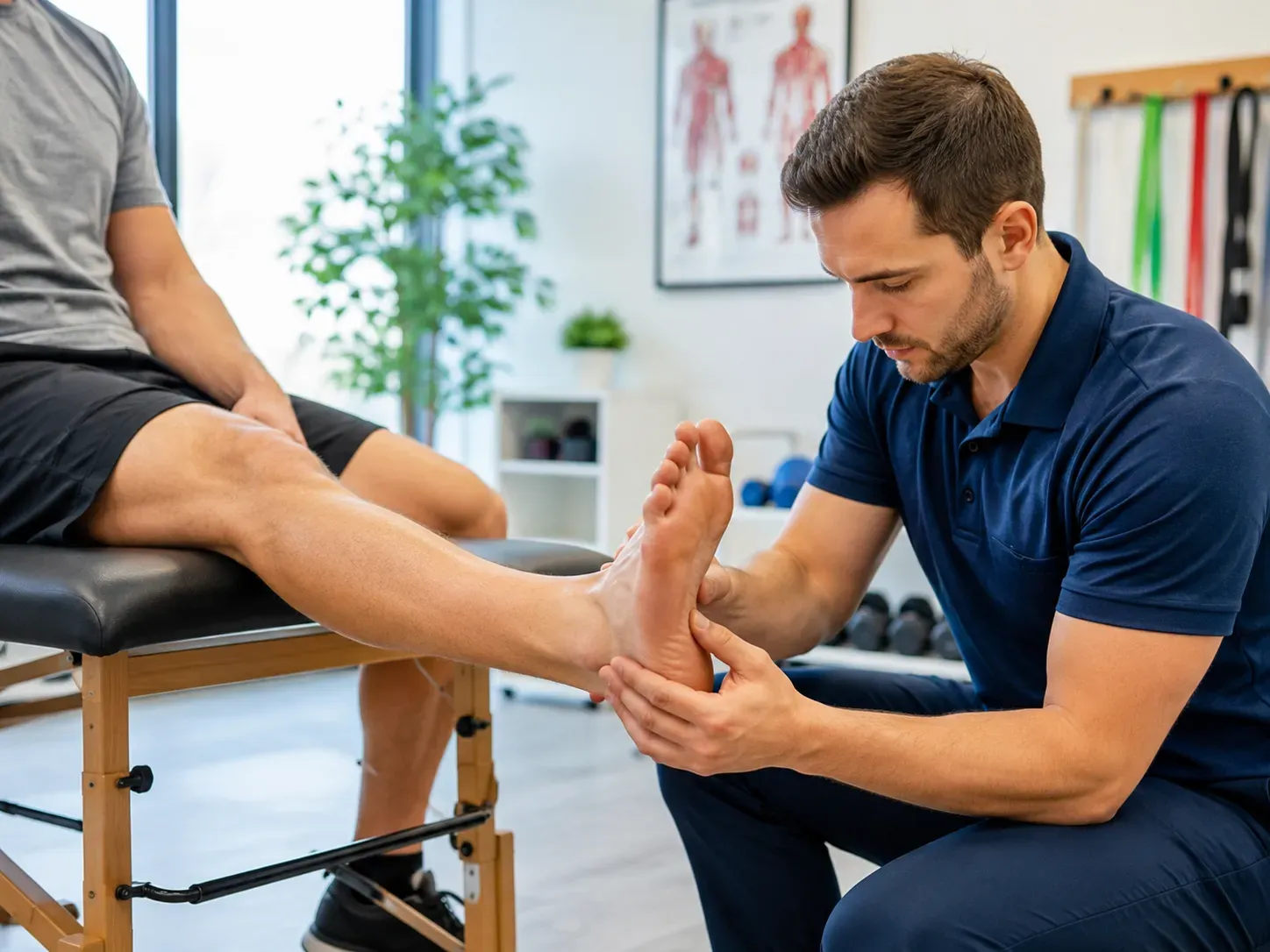
Unlike standard store-bought insoles, custom orthotics are created using information collected during an assessment. This may include:
- Your symptoms and medical history
- Foot posture and structure
- Walking pattern
- Areas of pressure or discomfort
- Footwear habits
- Work and activity demands
- Previous injuries
- Lower-limb movement
The assessment helps determine whether custom orthotics may be appropriate and what type of support may best match your individual needs.
Signs That an Orthotics Assessment May Be Helpful
An assessment may be worth considering when foot or lower-limb discomfort continues to affect standing, walking, work or physical activity.
Common reasons someone may seek an assessment include:
- Persistent heel or arch discomfort
- Foot fatigue during prolonged standing or walking
- Flat feet or high arches
- Uneven pressure through the feet
- Recurring ankle or lower-limb discomfort
- Discomfort beneath the forefoot
- Uneven shoe wear
- Difficulty finding supportive footwear
- Symptoms that increase during work, exercise or daily activity
These concerns can have several possible causes. Orthotics may form one part of a broader treatment plan, but they should not replace a proper assessment or other appropriate rehabilitation.
Custom Orthotics and Plantar Fasciitis
Plantar fasciitis is a common cause of heel and arch discomfort. Symptoms may be influenced by activity levels, calf tightness, repetitive loading, footwear and foot mechanics.
Depending on the assessment, a plantar fasciitis treatment plan may include:
- Physiotherapy
- Mobility and strengthening exercises
- Manual therapy
- Footwear guidance
- Activity modification
- Shockwave therapy in appropriate cases
- Custom orthotics when suitable
Orthotics are not automatically required for every person with plantar fasciitis. Their suitability depends on the individual’s symptoms, movement, footwear and assessment findings.
Why Footwear Matters
Even a properly designed orthotic may not function comfortably inside unsuitable footwear.
Shoes should generally provide enough depth and internal space to accommodate the orthotic without crowding the foot. The footwear should also be appropriate for the person’s work, exercise and everyday activity needs.
Instructions should be provided regarding:
- Correct placement inside the shoe
- Suitable types of footwear
- Cleaning and care
- An appropriate wear schedule
- When to return for adjustment or reassessment
Some people may need to begin with a gradual wear schedule while their feet and body adjust to the device.
Orthotics Are Often Part of a Broader Plan
Custom orthotics should not always be viewed as a complete solution on their own.
Depending on the assessment findings, the broader plan may also include:
- Stretching
- Foot and ankle strengthening
- Calf mobility exercises
- Balance and stability work
- Footwear recommendations
- Activity modification
- Physiotherapy
- Progressive return to activity
A broader plan may also include personalized physiotherapy in Mississauga to address movement, strength and mobility concerns that an orthotic alone may not fully resolve.
Can Orthotics Help With Discomfort Outside the Feet?
Foot position and lower-limb movement can influence how forces travel through the ankles, knees, hips and lower back.
However, not every case of knee, hip or back discomfort originates in the feet. An assessment is necessary to determine whether foot mechanics or footwear appear to be contributing factors.
When appropriate, custom orthotics may be recommended alongside physiotherapy or guided exercise rather than being used as the only form of care.
When Should Orthotics Be Reassessed?
Orthotics should be reviewed when:
- They cause persistent discomfort
- Your symptoms change or worsen
- Your footwear needs change
- The device shows significant wear
- Your work or activity demands change
- They no longer feel comfortable or supportive
- Your health or mobility needs change
An orthotic should continue to fit appropriately inside suitable footwear and remain relevant to the reason it was originally prescribed.
Custom Orthotics Versus Store-Bought Insoles
Store-bought insoles may provide general cushioning or temporary comfort, but they are not designed around an individual assessment.
Custom orthotics are intended to provide more personalized support based on factors such as:
- Foot structure
- Pressure distribution
- Walking pattern
- Symptoms
- Activity demands
- Footwear
- Treatment goals
This does not mean that everyone requires a custom device. The purpose of the assessment is to determine whether custom orthotics, another form of support or no orthotic at all is the most appropriate recommendation.
Start With a Personalized Orthotics Assessment
The decision to use custom orthotics should be based on more than foot discomfort alone.
At Dynamic Physiotherapy & Sports Injury Clinic in Mississauga, the orthotics process considers your symptoms, medical history, footwear, walking pattern and foot and lower-limb function. These findings help determine whether custom orthotics may be appropriate and what additional rehabilitation support may be beneficial.
If foot or heel discomfort is affecting your walking, work, exercise or everyday activities, an assessment can help clarify the most appropriate next step.
Experiencing ongoing foot or heel discomfort?
Book a custom orthotics assessment with Dynamic Physiotherapy & Sports Injury Clinic in Mississauga.
SHARE POST:
Leave a Comment:
Our Recent Post:


Contact Dynamic Physiotherapy & Sports Injury in Mississauga
For expert care and rehabilitation, contact Dynamic Physiotherapy & Sports Injury in Mississauga. Our dedicated team is ready to help you recover and achieve your health goals.