
The Website Store • January 13, 2026
Physiotherapy for Common Running Injuries: How to Recover Faster and Run Stronger
Running is one of the most accessible and effective forms of exercise. It strengthens the cardiovascular system builds lower-body strength and supports mental well-being. For many residents of Mississauga running is part of daily life whether training for a race staying active or simply enjoying outdoor exercise. However because running involves repetitive motion and significant force on joints and soft tissues a range of injuries can develop over time. From plantar fasciitis and knee pain to shin splints and Achilles tendon issues these running-related conditions can sideline even the most dedicated runner. Fortunately physiotherapy offers targeted solutions to address pain promote healing and help runners recover faster while reducing the risk of future injury.
Running injuries often stem from a combination of factors including poor biomechanics training errors muscle imbalances previous injury and sudden increases in training intensity or mileage. Runners may develop pain not because of one single incident but from cumulative stress on tissues that are unable to adapt to the load placed on them. A physiotherapist can assess each runner’s movement patterns strength flexibility and training history to pinpoint the underlying causes of pain. This comprehensive approach not only treats symptoms but also corrects the dysfunctional movement patterns that contribute to injury in the first place.
One of the most common running injuries is plantar fasciitis, characterized by pain along the bottom of the foot particularly near the heel. Plantar fasciitis often presents in the morning or after periods of rest and may worsen with prolonged standing or running. Physiotherapy for plantar fasciitis involves manual techniques to mobilize the plantar fascia soft tissues and joints combined with prescribed stretching and strengthening exercises. Techniques such as therapy ball mobilization along the arch and calf stretches help reduce tension and improve tissue flexibility.
Strengthening exercises for the foot intrinsic muscles and lower leg can improve shock absorption and reduce strain on the plantar fascia during running.
Another frequent complaint among runners is patellofemoral pain syndrome, often experienced as pain around or behind the kneecap especially when running downhill or up stairs. This condition is usually related to poor hip and knee mechanics weak gluteal muscles or tight quads and iliotibial band tissues. A physiotherapist can design a corrective exercise program to strengthen the glutes quads and core while addressing flexibility limitations. Movement retraining helps runners improve knee alignment and tracking during gait which relieves stress on the patellofemoral joint and enhances running efficiency.
Shin splints or medial tibial stress syndrome is another concern for runners frequently caused by repetitive impact on the lower leg structures. Pain occurs along the inner shin bone and is often related to training errors such as increasing mileage too quickly poor footwear or hard running surfaces. Physiotherapy interventions include soft tissue mobilization for tight calf and tibialis muscles gait analysis to identify biomechanical contributors and graduated loading programs to strengthen lower leg muscles. Incorporating balance work plyometric progression and proper warm-up and cool-down routines also supports recovery and reduces recurrence.
Achilles tendon pain and tendonitis is a condition runners encounter when the large tendon connecting the calf muscles to the heel becomes irritated. This often results from sudden increases in running intensity limited calf flexibility or weaknesses in the posterior chain. Physiotherapy at Dynamic Physiotherapy in Mississauga uses a combination of manual therapy to release tight tendons and muscles and progressive eccentric strengthening of the calf and Achilles tissues.
Eccentric exercises help remodel tendon fibers improve load tolerance and reduce pain. Teaching runners how to warm up properly and gradually progress training intensity supports a safe return to running.
A thorough biomechanical assessment is a key step in effective running injury rehabilitation. Physiotherapists observe running gait either in clinic or with video analysis to identify deficits in stride length cadence foot strike pattern hip and trunk stability. Small inefficiencies in gait can lead to overuse of specific tissues and contribute to conditions such as IT band syndrome meniscus irritation and stress reactions. Correcting these patterns through gait retraining and targeted strengthening not only alleviates pain but enhances running performance.
Flexibility and muscle balance are also essential focuses of physiotherapy for runners. Tight muscles such as the hamstrings hip flexors or calves can alter joint mechanics and place undue stress on adjacent tissues. By addressing these imbalances with manual techniques and tailored stretching protocols physiotherapists improve overall mobility and reduce compensatory movement patterns. Strengthening opposing muscle groups concurrently reinforces balanced functional movement.
Another valuable component of physiotherapy for runners is education on training progression and injury prevention. Many runners inadvertently overload their bodies by increasing weekly mileage too rapidly switching running surfaces frequently or neglecting recovery. Physiotherapists guide runners in developing structured training plans that incorporate rest days cross-training and gradual progression to allow tissues to adapt. Advice on proper footwear selection based on foot type and running style also plays a role in minimizing impact forces and protecting vulnerable structures.
Physiotherapy also supports runners through post-injury return-to-running programs that emphasize safe reintegration of impact and performance demands. These programs include staged progressions from walking to jogging to sustained runs with appropriate rest intervals. Incorporating strength maintenance mobility warm-ups activation exercises and proprioception work helps ensure that the body is prepared for each step of the progression and capable of handling increased running loads without re-injury. Regular monitoring by a physiotherapist during this return phase enhances confidence and safety for the runner.
Pain management strategies are another aspect of physiotherapy care for running injuries. Techniques such as therapeutic ultrasound manual trigger point release shockwave therapy and electro-acupuncture may be used in conjunction with exercise to help reduce inflammation promote tissue healing and ease discomfort during the early stages of recovery. These modalities support the body’s natural healing process and can facilitate more productive engagement in corrective exercise programs.
An often overlooked piece of running injury prevention is core strength and stability. The trunk and pelvis serve as the foundation for efficient lower limb movement and shock absorption. Weak core muscles can lead to excessive motion at the hips or knees increasing stress on these joints and associated tissues. Physiotherapy programs include core stabilization exercises that strengthen the deep abdominal and back muscles and improve dynamic control during running. This enhances overall movement efficiency and reduces compensatory strain during repetitive impact.
For runners in Mississauga balancing busy schedules work and other life commitments making time for injury prevention and recovery can be challenging. Physiotherapy offers flexible strategies that integrate seamlessly into your routine whether you run competitively recreationally or for general fitness. Simple warm-up routines dynamic stretches and strength exercises that take a few minutes added to your running schedule can make a substantial difference in tissue resilience and performance capacity.
Physiotherapy for running injuries is not just about returning to running as quickly as possible but about returning with greater strength improved mechanics reduced risk of future injury and enhanced performance. Professional assessment and individualized care empower runners to understand their bodies and build sustainable habits that support both joy in the sport and long-term musculoskeletal health.
If you are a runner experiencing pain stiffness or limitations in your training or want guidance on injury prevention and performance optimization health and fitness pilates and physiotherapy can help. At Dynamic Physiotherapy in Mississauga our experienced team offers comprehensive assessment corrective exercise gait analysis and personalized rehab plans designed to help runners recover confidently and run stronger.
Call us today at (905) 273-5433 or visit www.dynamicphysiotherapy.ca to schedule your running injury assessment and take the next step toward pain-free running and improved performance.
SHARE POST:
Leave a Comment:
Our Recent Post:

Neck stiffness at your desk or while driving? Dynamic Physiotherapy in Mississauga offers hands-on care and guided exercises. Request an appointment.
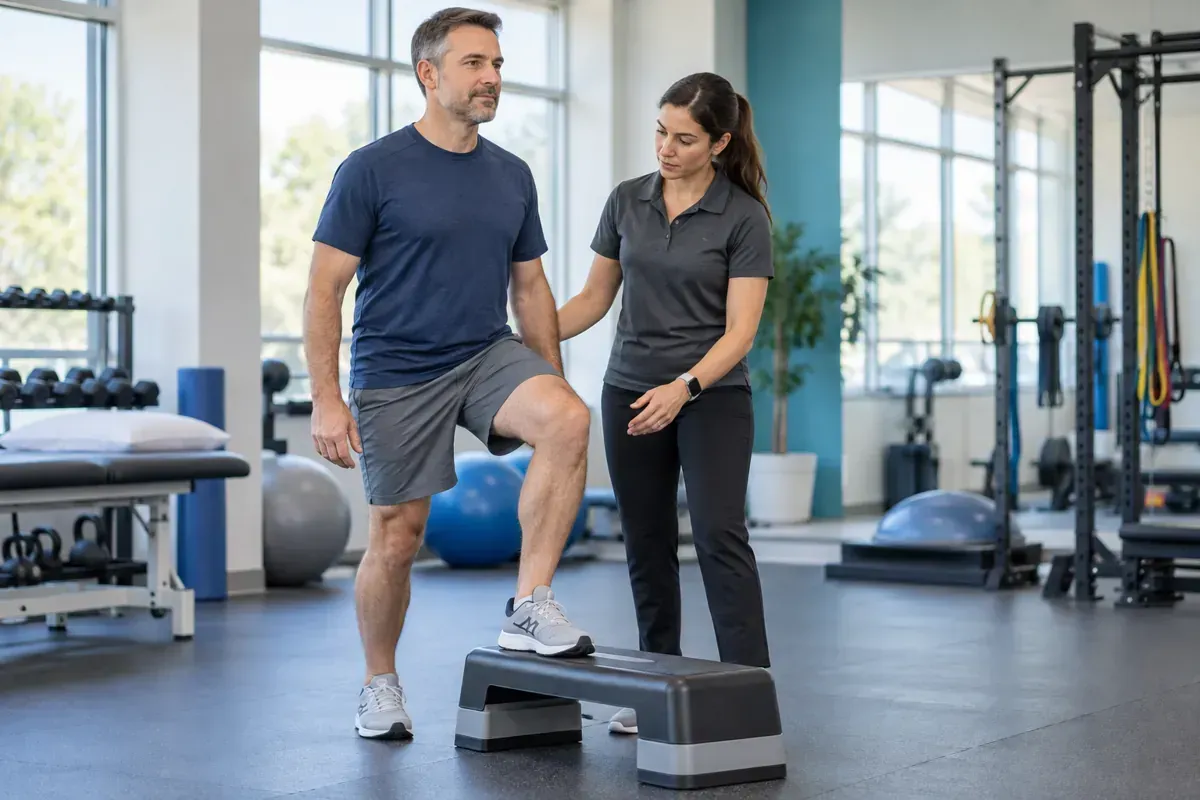
Returning to exercise after an injury? Learn how physiotherapy in Mississauga supports strength, mobility and a gradual return to activity.
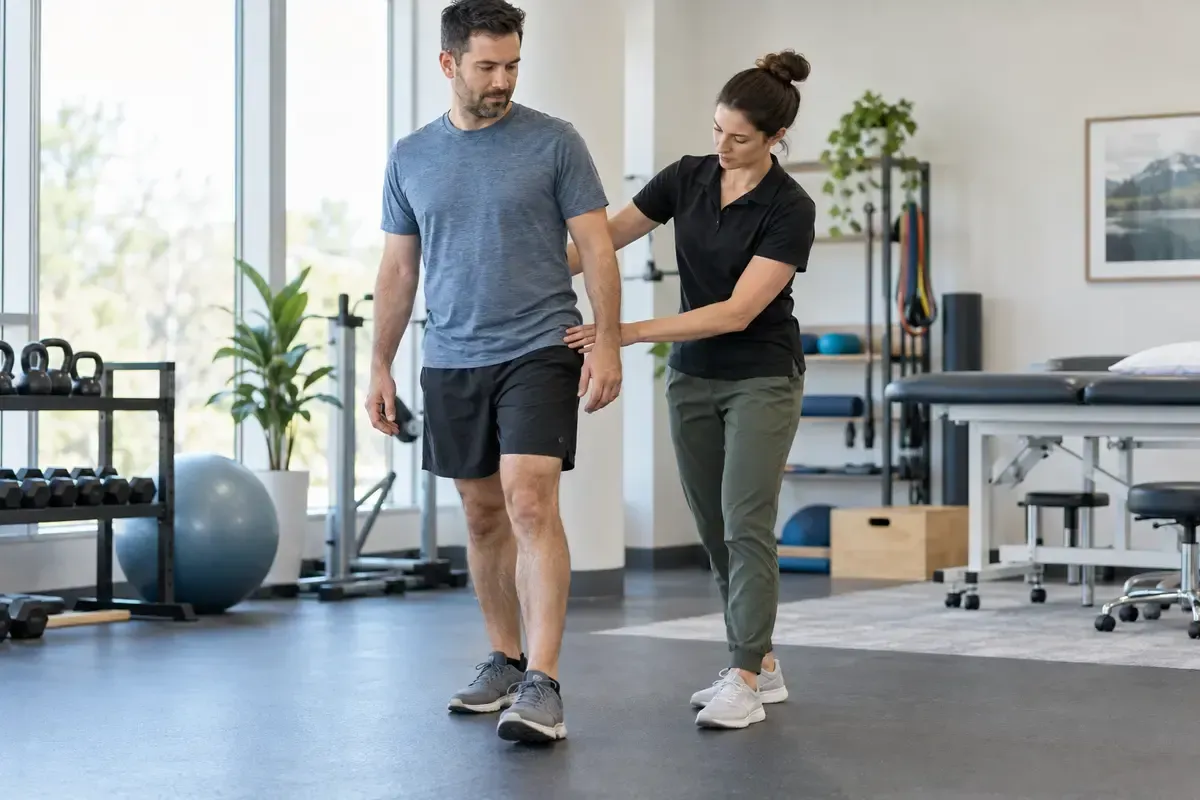
Learn why hip pain may affect walking and standing and how physiotherapy assessment in Mississauga examines mobility, strength and movement control.

Learn why elbow pain may persist during gripping and lifting, what physiotherapy assessment examines, and how rehabilitation may support recovery.

Learn why knee pain may worsen on stairs and how physiotherapy assessment in Mississauga examines strength, mobility and movement control.
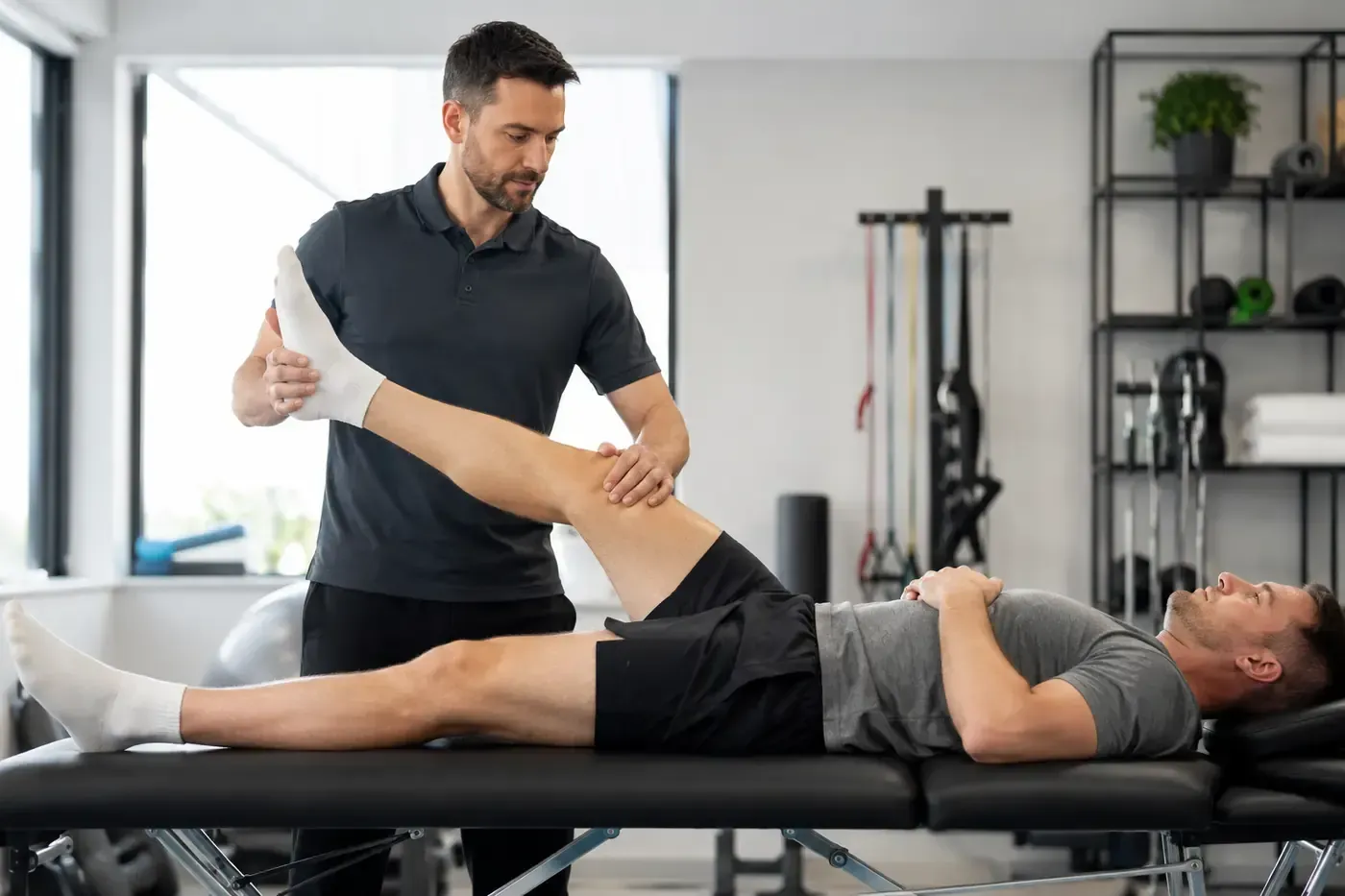
Learn why sciatica symptoms may travel from the lower back into the leg and how physiotherapy assessment in Mississauga can guide rehabilitation.
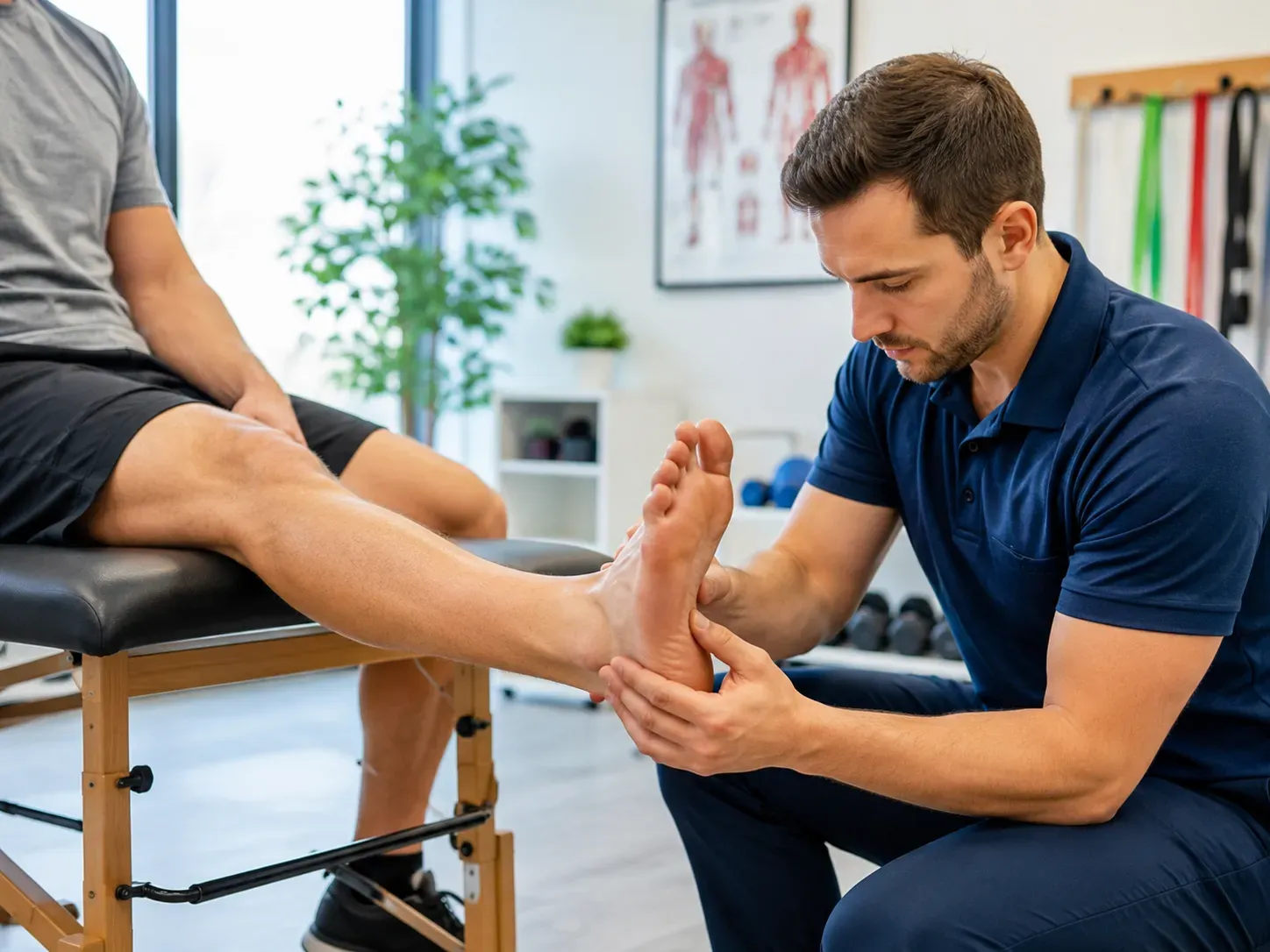
Learn why plantar fasciitis and heel pain can keep returning and how physiotherapy, Shockwave Therapy, exercise and foot support may help recovery.
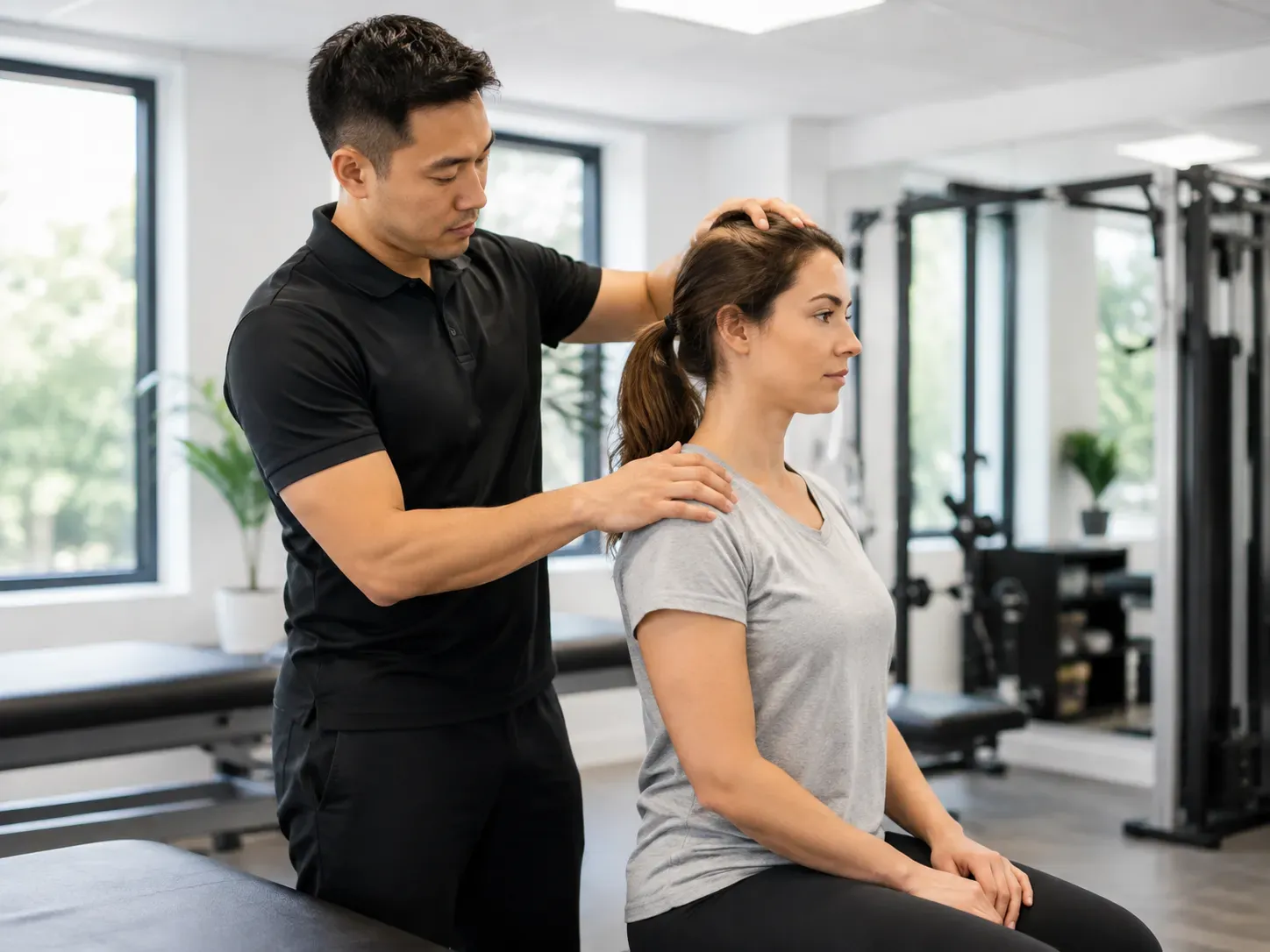
Learn how neck and shoulder pain can be connected through posture, mobility, muscle tension and movement patterns, and how physiotherapy assessment may help.

Contact Dynamic Physiotherapy & Sports Injury in Mississauga
For expert care and rehabilitation, contact Dynamic Physiotherapy & Sports Injury in Mississauga. Our dedicated team is ready to help you recover and achieve your health goals.