
Why Guided Exercise Matters in Physiotherapy Recovery
How proper movement correction, exercise form, and personalized rehab planning help reduce recurring pain and support long-term recovery
Exercise is an important part of physiotherapy recovery, but not all exercise is the same.
Many people try stretches, strengthening exercises, online routines, or general workouts when pain keeps returning. Sometimes these exercises help temporarily. Other times, the pain comes back because the real issue is not just weakness — it may be poor movement control, compensation, stiffness, irritation, or an exercise being performed in a way that does not match the person’s condition.
This is why guided exercise matters.
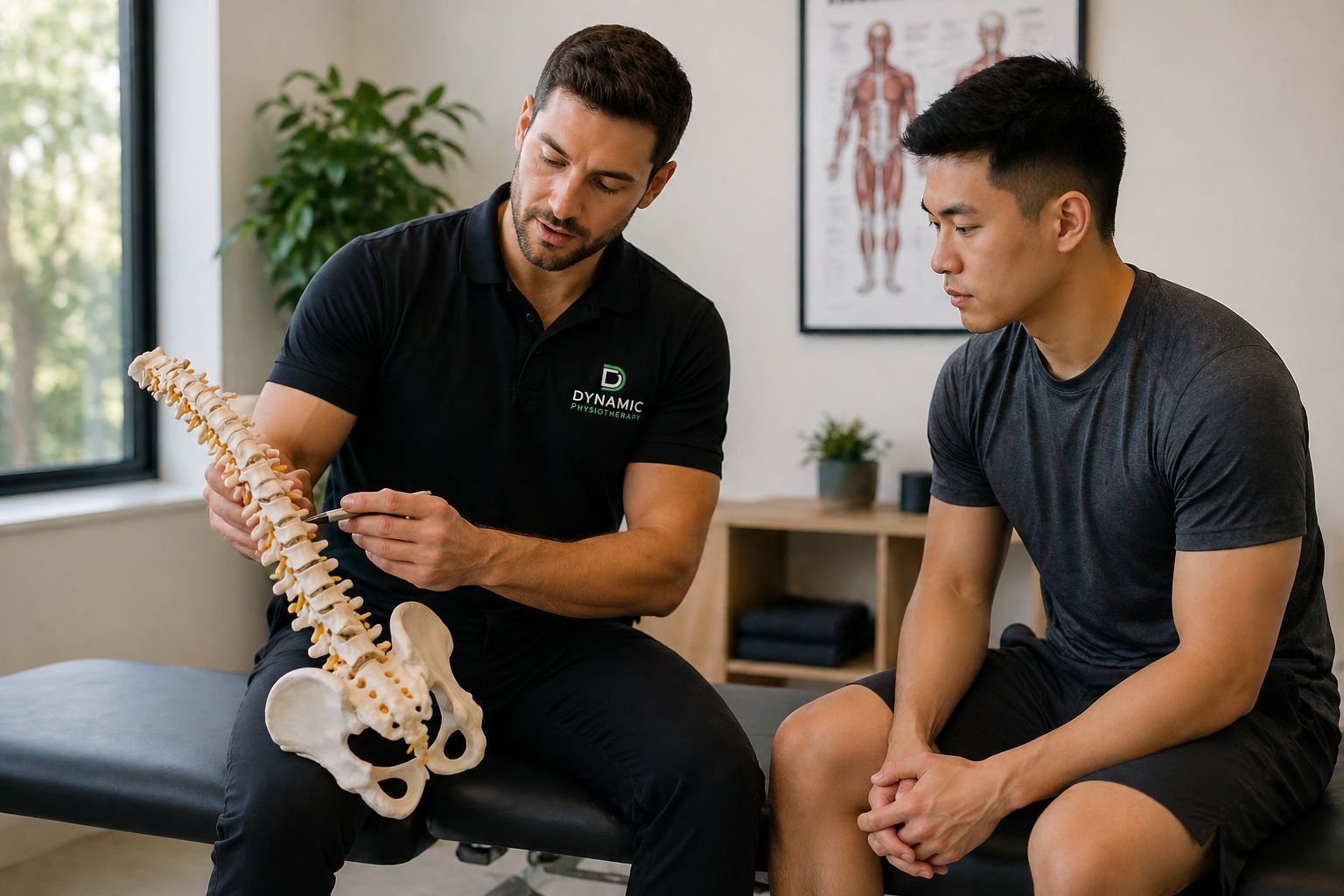
At Dynamic Physiotherapy & Sports Injury Clinic in Mississauga, rehabilitation is not just about giving someone a list of exercises. It is about assessing how the body moves, identifying what may be contributing to pain, and helping patients perform exercises safely and correctly as part of a personalized treatment plan.
Why Pain Can Keep Coming Back
Recurring pain often happens when the underlying cause has not been properly addressed.
A person may feel better after rest, massage, stretching, medication, or temporary activity changes, but the pain may return when they go back to normal movement. This can happen with lower back pain, sciatica, neck pain, shoulder pain, sports injuries, and everyday movement-related discomfort.
Pain may keep returning because of:
muscle imbalance
joint stiffness
poor movement patterns
weakness after injury
limited mobility
nerve irritation
poor posture or repetitive strain
returning to activity too quickly
exercises being done with poor form
When these factors are not corrected, the body may continue to compensate. Over time, this can lead to repeated irritation and frustration.
For patients dealing with ongoing pain, a personalized physiotherapy assessment can help identify what may be contributing to the problem before treatment begins.
Exercise Form Matters More Than Most People Realize
Many people assume that doing the right exercise is enough. In reality, how the exercise is performed can be just as important.
Two people may perform the same movement, but one person may use the correct muscles while the other compensates through the lower back, hips, neck, or shoulders. This is one reason why exercises found online do not always solve the problem.
For example, a squat, lunge, shoulder movement, core exercise, or stretch may look simple, but small changes in alignment can make a big difference. Poor positioning may place extra stress on irritated joints or muscles. Proper guidance helps ensure the exercise is supporting recovery instead of reinforcing the same movement problem.
This is where physiotherapy-guided exercise becomes valuable.
Guided Exercise Helps Correct
Movement Patterns
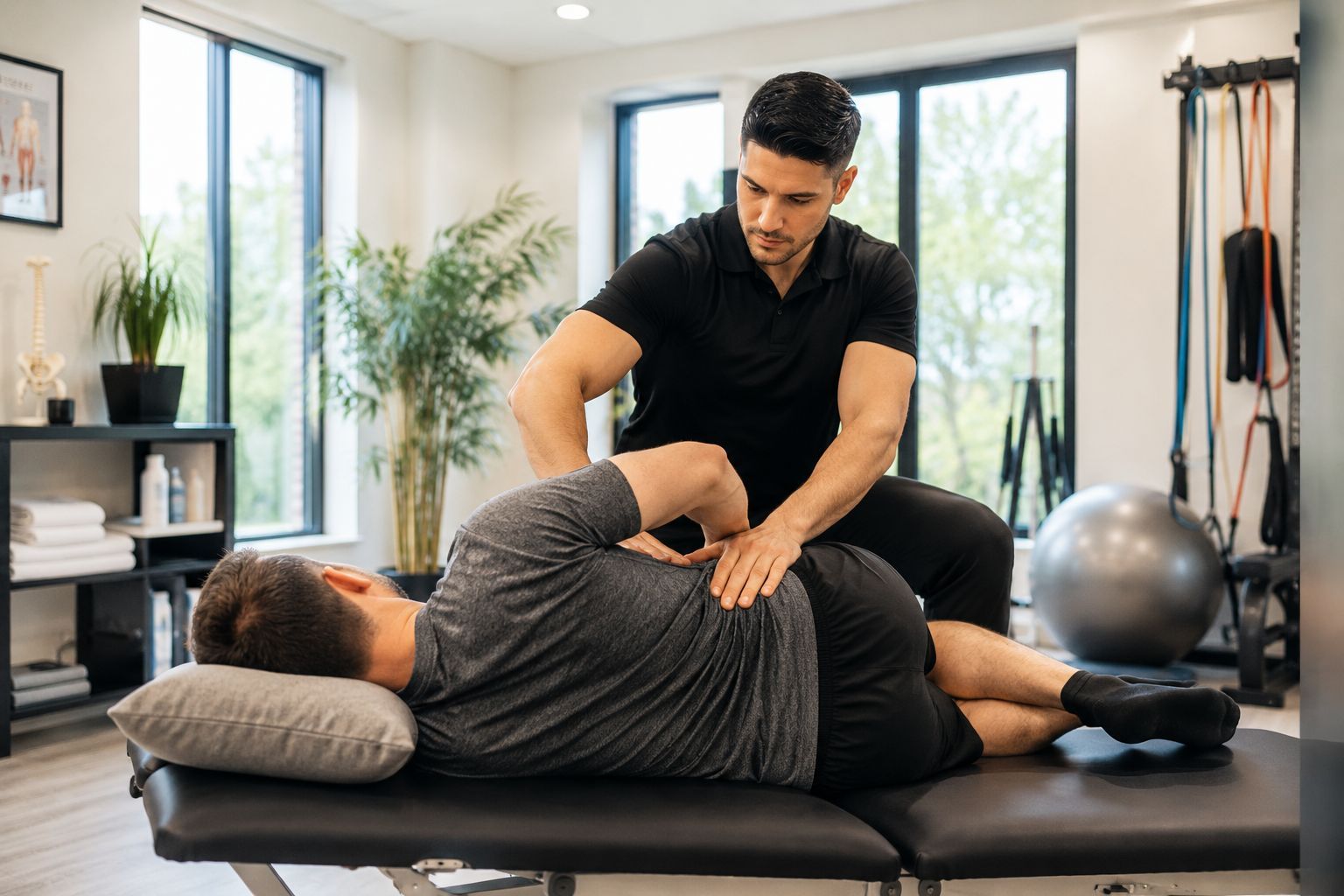
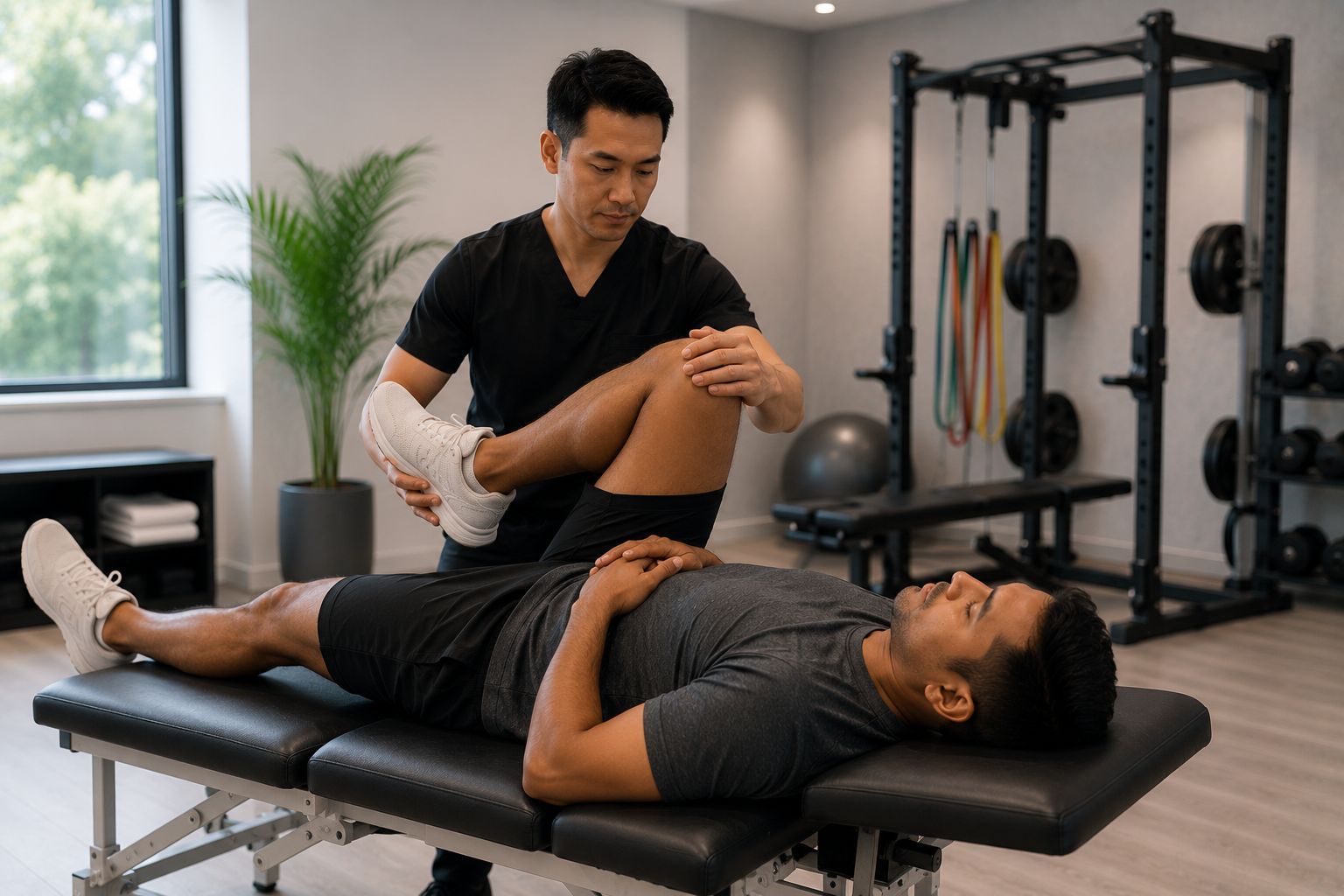
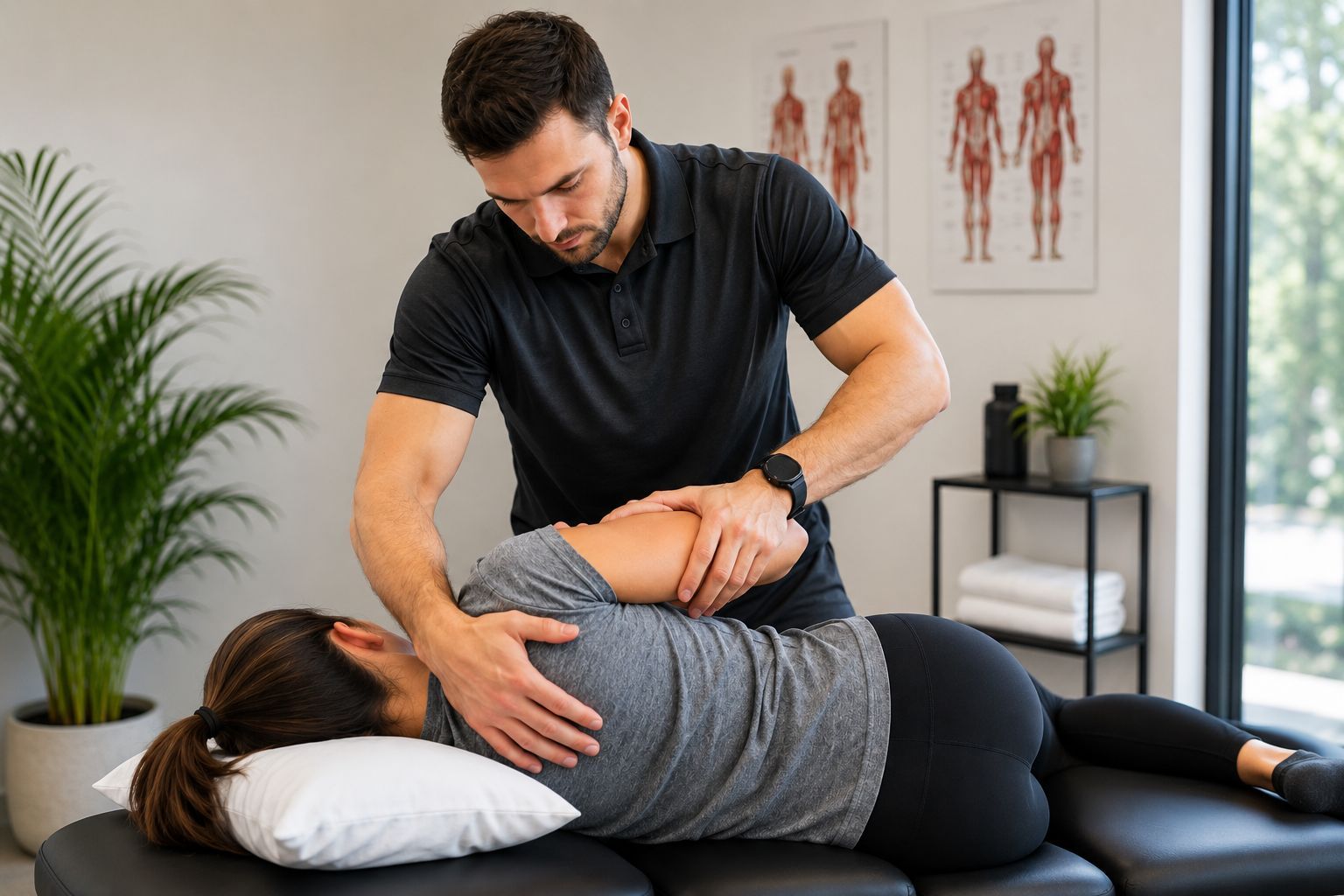
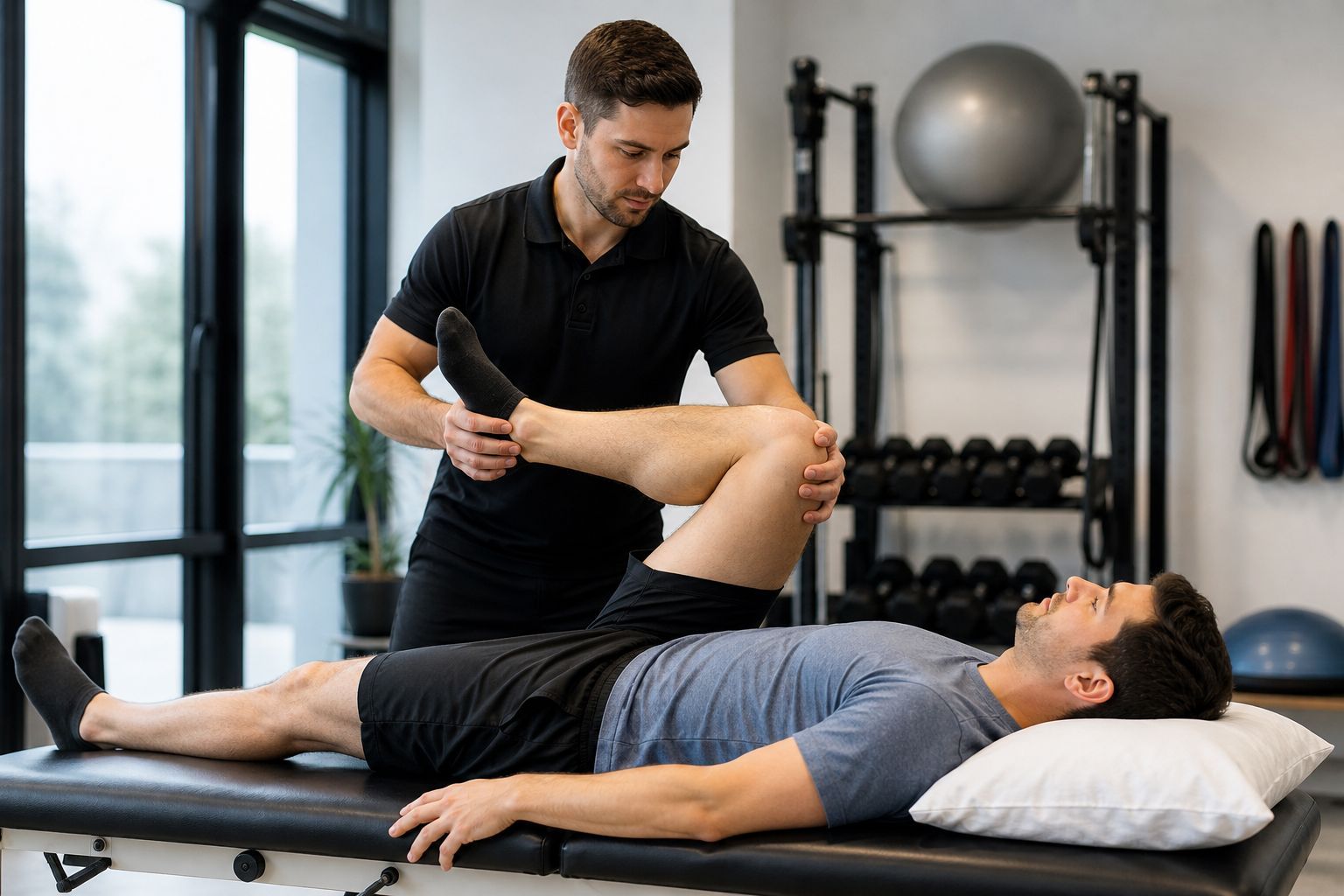
A physiotherapist can observe how a patient moves and make real-time corrections. This may include adjusting posture, changing foot position, improving knee alignment, modifying range of motion, slowing down the movement, or choosing a safer variation of the exercise. These details help the body relearn better movement patterns.
Guided exercise may be especially important for people recovering from:
sports injuries
lower back pain
sciatica
shoulder pain
neck pain
knee pain
hip discomfort
postural strain
work-related injuries
recurring muscle tightness
The goal is not simply to exercise harder. The goal is to move better, build strength safely, and reduce the chance of the same pain returning.
For active individuals and athletes, sports injury rehabilitation should include movement correction, progressive strengthening, and a safe return-to-activity plan.
Why Personalized Rehab Is Better Than a Generic Exercise Plan
Generic exercise plans can be helpful for general fitness, but injury recovery usually requires a more specific approach.
A person with sciatica may need a different exercise strategy than someone with general lower back stiffness. A shoulder injury may require a different plan depending on whether the issue involves mobility, stability, tendon irritation, posture, or weakness. Neck pain may require both mobility work and strengthening of supporting muscles.
A personalized rehab plan considers:
where the pain is located
what movements trigger symptoms
how long the issue has been present
previous injuries
work demands
sports or activity goals
strength and mobility limitations
how the person responds to treatment
This helps the physiotherapist choose exercises that match the patient’s current stage of recovery instead of pushing too much too soon.
Progression Is Important for Long-Term Recovery
Another reason guided exercise matters is progression.
In the early stage of recovery, exercises may need to be gentle and controlled. As symptoms improve, the plan may gradually progress to strength, balance, mobility, endurance, and functional movement.
Without proper progression, patients may either do too little and fail to rebuild strength, or do too much and aggravate the injury again.
A physiotherapist can help adjust the plan based on how the body responds. This makes rehabilitation more structured and safer over time.
Guided Exercise Can Help With Lower Back Pain and Sciatica
Lower back pain and sciatica are common examples where guided exercise can make a major difference.
Some people need mobility work. Others need core stability, hip strengthening, posture correction, or nerve-friendly movement strategies. The right plan depends on the cause of the symptoms and how the person moves during assessment.
When back or leg pain keeps returning, it is important to avoid guessing. A proper assessment can help determine whether the issue may involve stiffness, weakness, nerve irritation, movement compensation, or a combination of factors.
For patients experiencing recurring back pain, Dynamic Physiotherapy provides care for lower back pain in Mississauga using assessment-based treatment and personalized rehabilitation.
Guided Exercise Builds Confidence
Pain can make people hesitant to move.
Some patients avoid exercise because they are afraid of making symptoms worse. Others push through pain because they believe they need to strengthen the area quickly. Both approaches can create problems.
Guided physiotherapy exercise helps patients understand what movements are safe, what should be modified, and how to return to normal activity with more confidence.
This education is an important part of recovery. When patients understand their movement, they are more likely to stay consistent with their rehab plan and make better decisions outside the clinic.
When Should You See a Physiotherapist?
You may benefit from a physiotherapy assessment if:
pain keeps returning after temporary relief
exercise seems to aggravate symptoms
you are unsure which movements are safe
you feel weak, stiff, or limited after an injury
you are recovering from a sports injury
you have recurring lower back, neck, shoulder, hip, or knee pain
you want a safer return to work, sport, or daily activity
Early assessment can help identify the cause of the problem and reduce the chance of ongoing compensation.
Final Thoughts
Guided exercise is an important part of physiotherapy recovery because it helps patients move better, strengthen safely, and understand what their body needs.
The goal is not just to reduce pain temporarily. The goal is to correct movement patterns, improve function, and support long-term recovery.
At Dynamic Physiotherapy & Sports Injury Clinic in Mississauga, treatment is built around proper assessment, personalized rehabilitation, and guided movement correction to help patients recover with more confidence.
If pain keeps returning or you are unsure which exercises are right for your condition, book a physiotherapy assessment with Dynamic Physiotherapy.
SHARE POST:
Leave a Comment:
Our Recent Post:




Contact Dynamic Physiotherapy & Sports Injury in Mississauga
For expert care and rehabilitation, contact Dynamic Physiotherapy & Sports Injury in Mississauga. Our dedicated team is ready to help you recover and achieve your health goals.