
Why Pain Keeps Coming Back After Temporary Relief
How physiotherapy assessment, movement correction, strengthening, and personalized rehab planning can help address recurring pain
Why Pain Keeps Coming Back After Temporary Relief
Pain that improves for a few days and then returns can be frustrating. Many people experience temporary relief from stretching, rest, massage, medication, or home exercises, only to have the same discomfort come back again after sitting, lifting, working, driving, exercising, or daily movement.
When pain keeps returning, the issue may not be only where the pain is felt. It may also involve how the body is moving, how certain muscles are working, how joints are loading, or how daily habits are continuing to stress the same area.
At Dynamic Physiotherapy & Sports Injury Clinic in Mississauga, we focus on understanding why pain may be recurring before building a personalized treatment plan.
Why Pain May Return After Temporary Relief
Temporary relief can reduce discomfort, but it may not always address the underlying reason the pain started or keeps coming back.
Recurring pain may be influenced by muscle weakness, joint stiffness, poor movement habits, posture strain, repetitive work positions, previous injuries, reduced mobility, poor exercise form, compensation patterns, or incomplete recovery.
This is common with concerns such as lower back pain, neck pain, shoulder pain, sciatica, sports injuries, and ongoing stiffness or discomfort.
Why Assessment Matters
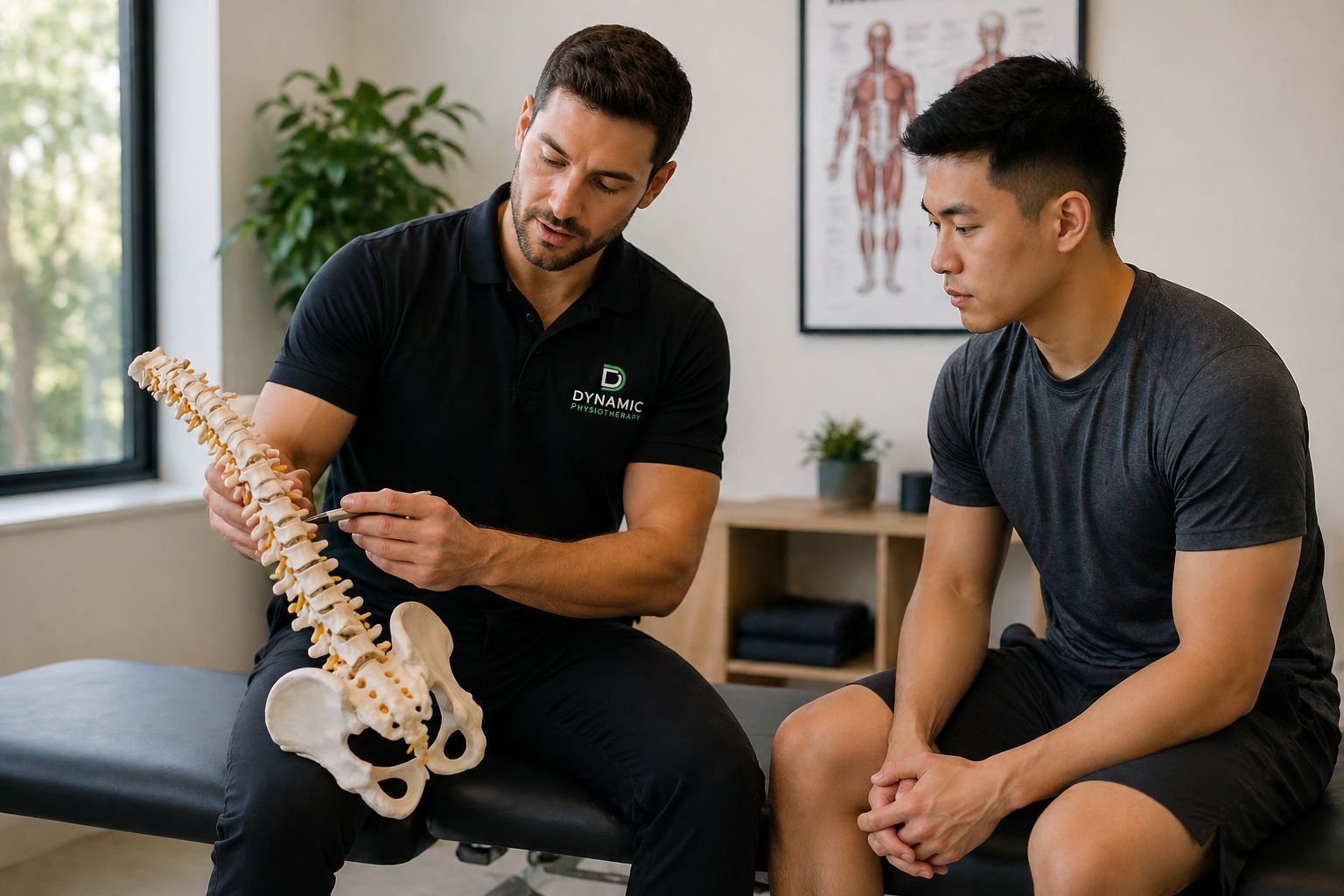
A physiotherapy assessment helps identify what may be contributing to the pain. Instead of only treating the painful area, the assessment looks at movement, strength, flexibility, posture, joint function, and how symptoms behave during daily activity.
For example, lower back pain may be connected to hip stiffness, weak core control, repetitive sitting, lifting mechanics, or poor movement patterns. Shoulder pain may involve the neck, upper back, posture, rotator cuff strength, or overhead movement habits.
Understanding the cause helps create a more focused treatment plan.
Treatment Should Be More Than Short-Term Relief
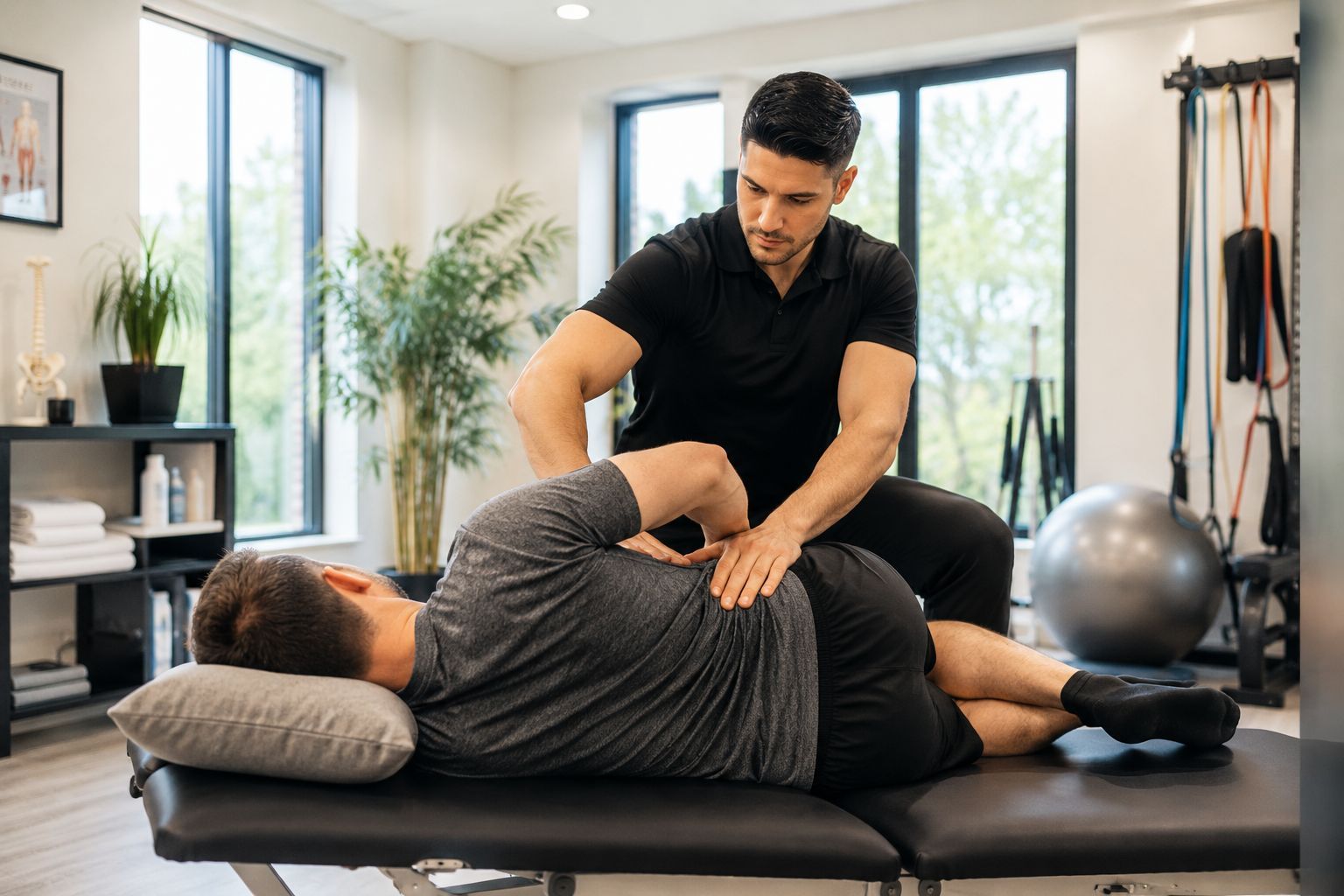
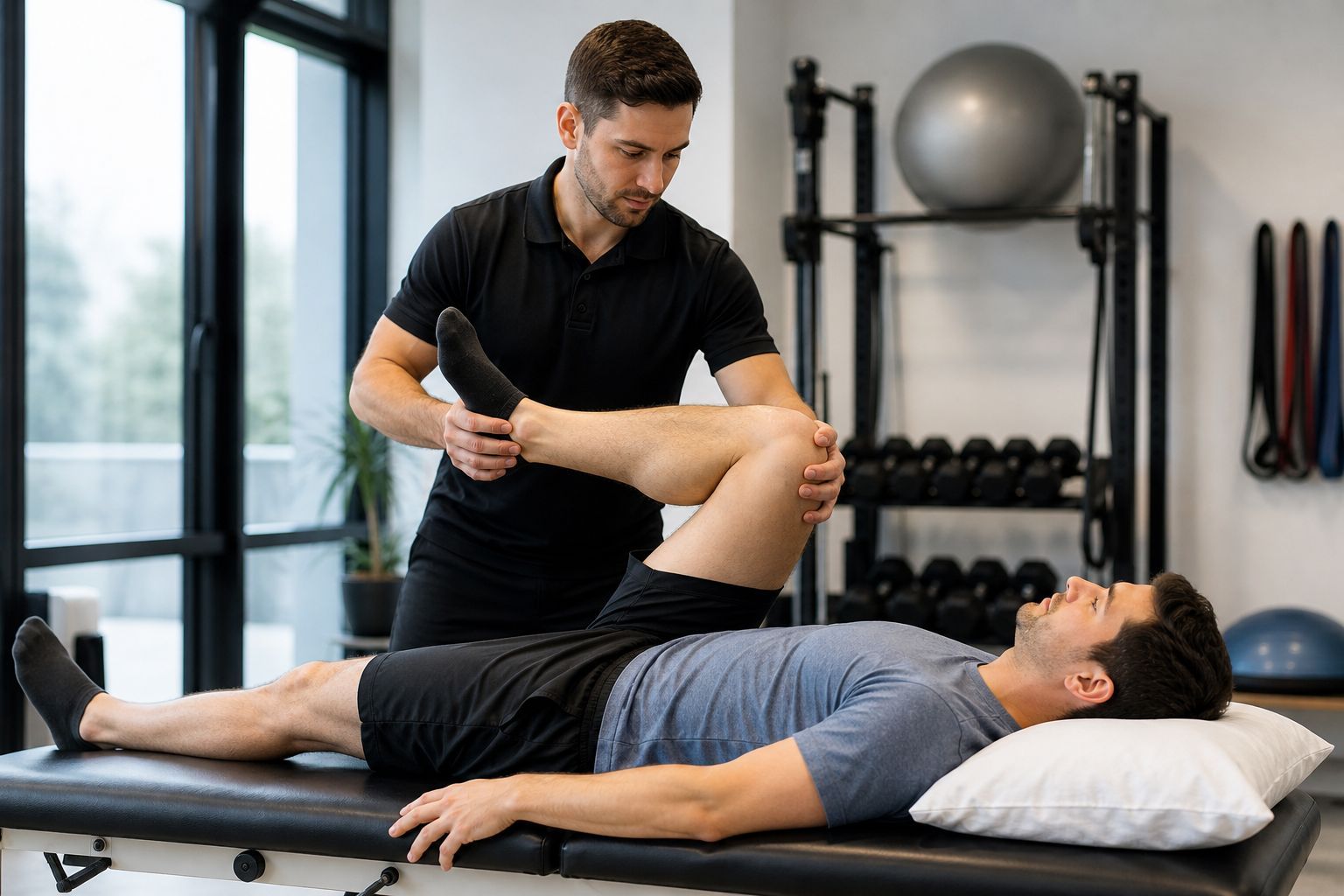
Physiotherapy may include hands-on care, mobility work, strengthening, guided exercises, posture education, and movement correction. The goal is not only to reduce discomfort, but also to help the body move better and reduce the chance of the same pain returning.
A personalized rehab plan may help support better mobility, improved strength, reduced stiffness, posture awareness, safer movement patterns, improved activity tolerance, and longer-term recovery.
This type of approach can be especially helpful when pain has become recurring, when symptoms keep returning after activity, or when the same area keeps becoming irritated again.
Guided Exercises Can Make a Difference
Many people try exercises they find online, but the right exercise depends on the cause of the problem. If an exercise is not matched to the condition, or if it is done with poor form, it may not help and can sometimes make symptoms worse.
Guided physiotherapy exercises help ensure that movements are appropriate, controlled, and progressed safely. This allows the treatment plan to be adjusted based on how the body responds, instead of relying on random exercises or temporary relief alone.
When Pain Keeps Coming Back
Pain that keeps returning may be a sign that the body needs a more complete plan. This may include improving movement quality, building strength, addressing stiffness, changing daily habits, and learning how to move with better control.
For some people, recurring pain may be connected to work posture or prolonged sitting. For others, it may be related to sports, lifting, repetitive movement, previous injury, or incomplete rehabilitation.
This is why a personalized plan matters.
When to Book a Physiotherapy Assessment
You may benefit from a physiotherapy assessment if pain keeps returning, affects your work or sleep, limits your movement, interferes with exercise, or keeps coming back after temporary relief.
At Dynamic Physiotherapy & Sports Injury Clinic in Mississauga, we create personalized treatment plans for concerns such as lower back pain, neck pain, shoulder pain, sciatica, sports injuries, and recurring pain.
If your pain keeps coming back, book a physiotherapy assessment to better understand what may be contributing to it and what can be done to support recovery.
SHARE POST:
Leave a Comment:
Our Recent Post:






Contact Dynamic Physiotherapy & Sports Injury in Mississauga
For expert care and rehabilitation, contact Dynamic Physiotherapy & Sports Injury in Mississauga. Our dedicated team is ready to help you recover and achieve your health goals.