Robert Wodz • July 17, 2025
Post-Surgical Rehabilitation in Mississauga: Regaining Strength and Mobility with Physiotherapy
Recovering from surgery doesn’t end when you leave the operating room—in fact, the healing journey is just beginning. Whether you’ve undergone a joint replacement, spinal surgery, tendon repair, or a procedure for an orthopedic condition, post-surgical rehabilitation plays a pivotal role in your long-term recovery. At Dynamic Physiotherapy in Mississauga, we specialize in guiding patients through safe, structured, and effective physiotherapy programs that restore strength, reduce pain, and prevent complications. Our approach is rooted in evidence-based techniques and customized care, helping patients regain full function, independence, and quality of life.
Post-operative physiotherapy not only speeds up the recovery timeline but also ensures optimal outcomes by addressing scar tissue, joint stiffness, muscle atrophy, and movement imbalances that commonly follow surgery. If you're preparing for a procedure or currently recovering, seeking physiotherapy at the right time is one of the most important decisions you can make for your future mobility and well-being.
Common Surgeries That Require Physiotherapy
Physiotherapy is essential after a wide range of surgical procedures to restore mobility, rebuild muscle strength, and retrain movement patterns. At Dynamic Physiotherapy Mississauga, we regularly treat patients recovering from total knee replacements, hip replacements, ACL and meniscus repairs, rotator cuff and shoulder stabilization surgeries, spinal decompression and fusion procedures, Achilles tendon repairs, carpal tunnel release, and general orthopedic procedures involving joints or soft tissues.
Each surgery affects the body in unique ways and requires a personalized rehabilitation plan tailored to the individual's condition, surgical approach, and personal goals. For instance, a patient recovering from rotator cuff surgery will follow a different protocol than someone healing from a knee replacement. Our physiotherapists conduct detailed assessments and collaborate with referring surgeons to create programs that match the stage of healing, ensure safe progression, and build confidence throughout the recovery journey.
What to Expect in a Post-Surgical Rehab Program
At Dynamic Physiotherapy, your post-surgical rehab begins with a comprehensive evaluation that includes range of motion testing, strength assessment, pain analysis, gait observation, and a review of your surgical procedure and medical history. We use this information to develop a custom treatment plan that evolves with your healing process.
Early sessions focus on pain control, swelling reduction, and restoring basic movement. This may involve gentle manual therapy, passive range-of-motion exercises, and modalities like electro-acuscope therapy or therapeutic ultrasound. As healing progresses, the focus shifts toward rebuilding muscle strength, improving joint mobility, and re-training functional movement patterns. Our clinic also emphasizes posture correction, scar tissue management, and balance re-education to reduce the risk of re-injury. We provide detailed home exercise programs, lifestyle recommendations, and guidance on when it's safe to resume daily activities, work, or sports.
Why Timing Matters in Post-Surgical Physiotherapy
The timing of physiotherapy after surgery can significantly influence recovery outcomes. Starting too early without medical clearance may stress healing tissues, while delaying treatment can lead to joint stiffness, muscle atrophy, and prolonged immobility.
At Dynamic Physiotherapy in Mississauga, we understand the importance of working within your surgeon's guidelines and adjusting treatment phases according to the body’s healing capacity. Typically, the early post-operative phase focuses on gentle mobility and pain reduction. The intermediate phase involves strength building and movement re-education. The final phase emphasizes functional training, stability, and return to full activity.
The Benefits of Personalized Post-Operative Physiotherapy
Personalized post-operative physiotherapy offers numerous benefits beyond basic pain relief. At Dynamic Physiotherapy, our customized programs are designed to prevent complications like frozen joints, blood clots, poor scar tissue healing, and compensatory movement patterns that may lead to future injuries.
Patients experience improved circulation and reduced swelling, quicker return of joint mobility, enhanced muscle strength and coordination, decreased reliance on pain medication, improved posture and body mechanics, and faster return to work, sports, or daily function. Additionally, physiotherapy promotes mental and emotional well-being by empowering patients with progress they can feel and track.
Complementary Treatments That Support Surgical Recovery
In addition to traditional physiotherapy exercises and manual techniques, Dynamic Physiotherapy Mississauga offers a range of complementary treatments that enhance recovery after surgery. These include:
Electro-acuscope therapy to reduce inflammation and accelerate soft tissue repair
Shockwave therapy to address scar tissue and chronic pain post-surgery
Acupuncture for pain control and improved circulation
Custom orthotics to restore gait and balance
Posture and gait training to reduce compensatory patterns
By combining multiple therapies under one roof, we ensure that each patient receives a holistic treatment plan that addresses all aspects of recovery.
The Importance of Patient Education and Involvement
At Dynamic Physiotherapy, we believe that empowered patients recover faster. That’s why education is a core part of every post-surgical treatment plan. We teach patients how to perform exercises safely, recognize signs of overexertion, protect healing tissues, and incorporate rehab principles into everyday movements.
Our team provides take-home programs with detailed instructions, encourages consistent follow-through, and adjusts routines as mobility improves. We also address lifestyle habits that affect healing, such as posture, ergonomics, hydration, and sleep. By involving patients in every decision and milestone, we create a sense of ownership that enhances motivation and compliance.
Real Results from a Trusted Mississauga Physiotherapy Clinic
With years of experience supporting surgical recoveries, Dynamic Physiotherapy has earned a reputation for excellence in post-operative care. Our Mississauga clinic is equipped with the tools, technology, and expertise needed to guide patients through every step of healing. We’ve helped hundreds of individuals regain independence, confidence, and full function after orthopedic and neurological surgeries.
Patients choose us for our professionalism, compassion, and results-driven approach to rehabilitation. Whether you're in your first week of healing or months into your recovery, we’re here to help you move forward with confidence and comfort.
Take the Next Step Toward Full Recovery
If you’ve recently had surgery or are planning one soon, don’t wait to start your rehabilitation plan. Post-surgical physiotherapy is the key to restoring mobility, reducing complications, and regaining strength safely. At Dynamic Physiotherapy in Mississauga, we offer personalized post-operative rehab that supports your goals and works at your pace.
📞 Call us today at (905) 273-5433 or visit www.dynamicphysiotherapy.ca
SHARE POST:
Leave a Comment:
Our Recent Post:
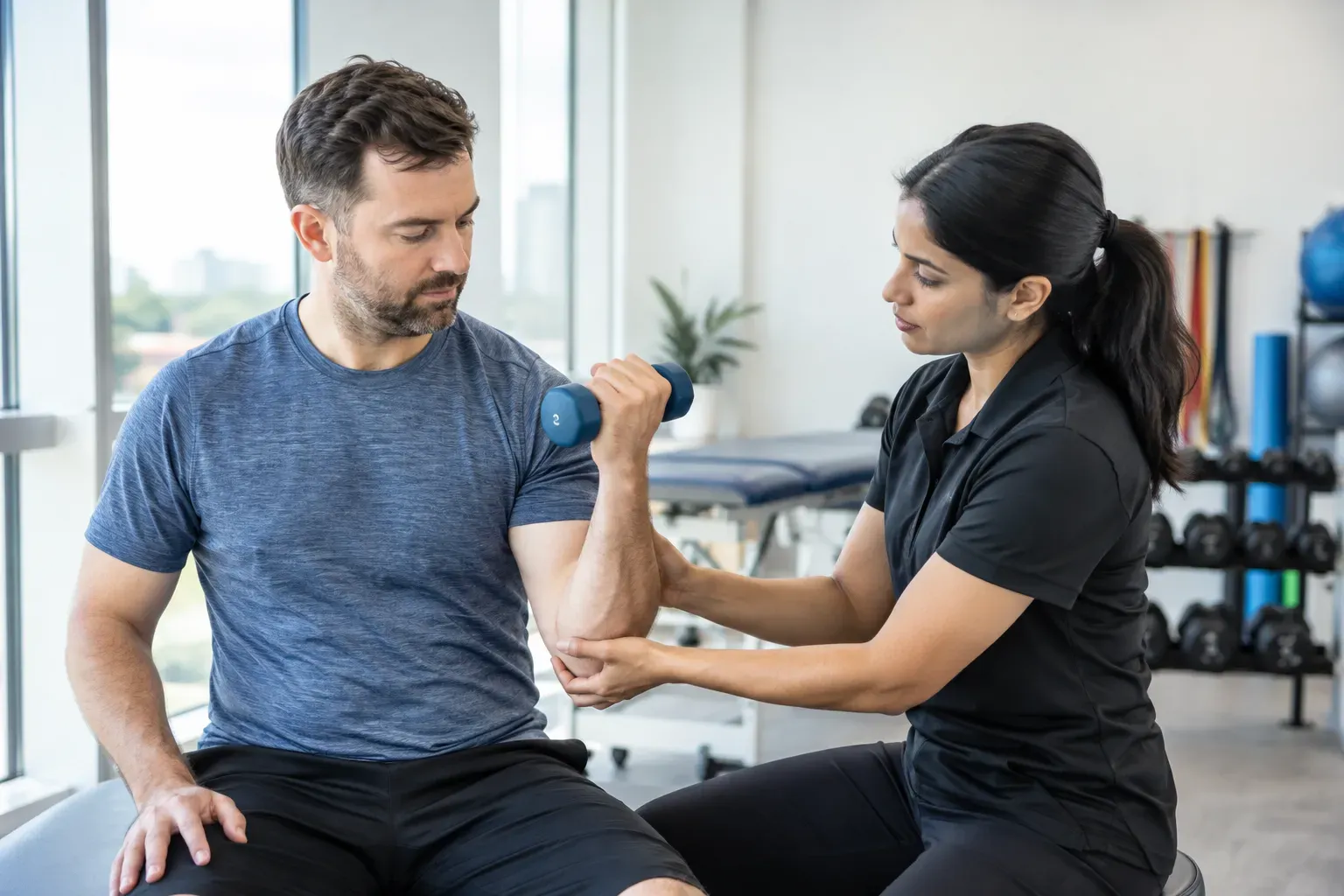
Learn why elbow pain may persist during gripping and lifting, what physiotherapy assessment examines, and how rehabilitation may support recovery.
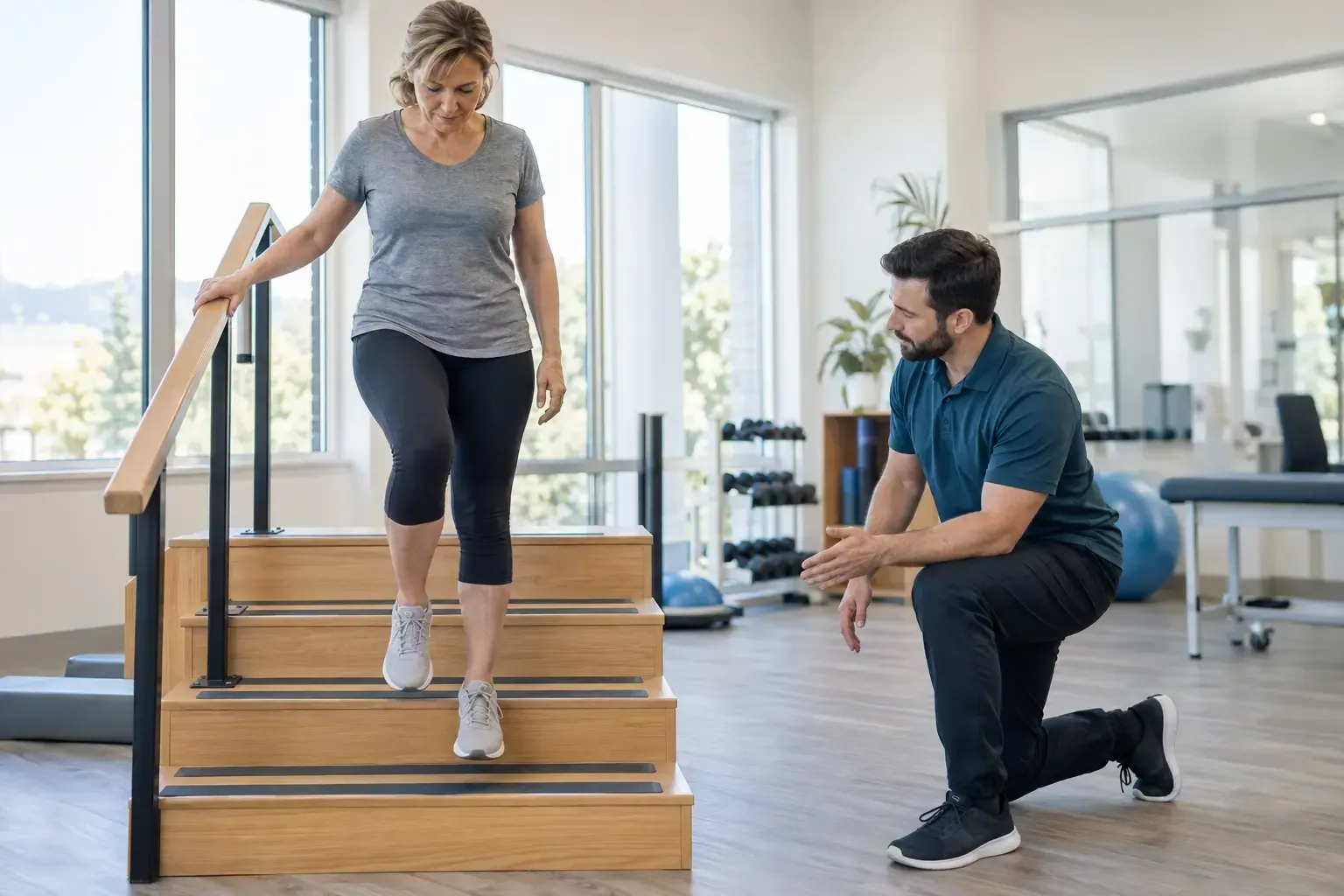
Learn why knee pain may worsen on stairs and how physiotherapy assessment in Mississauga examines strength, mobility and movement control.
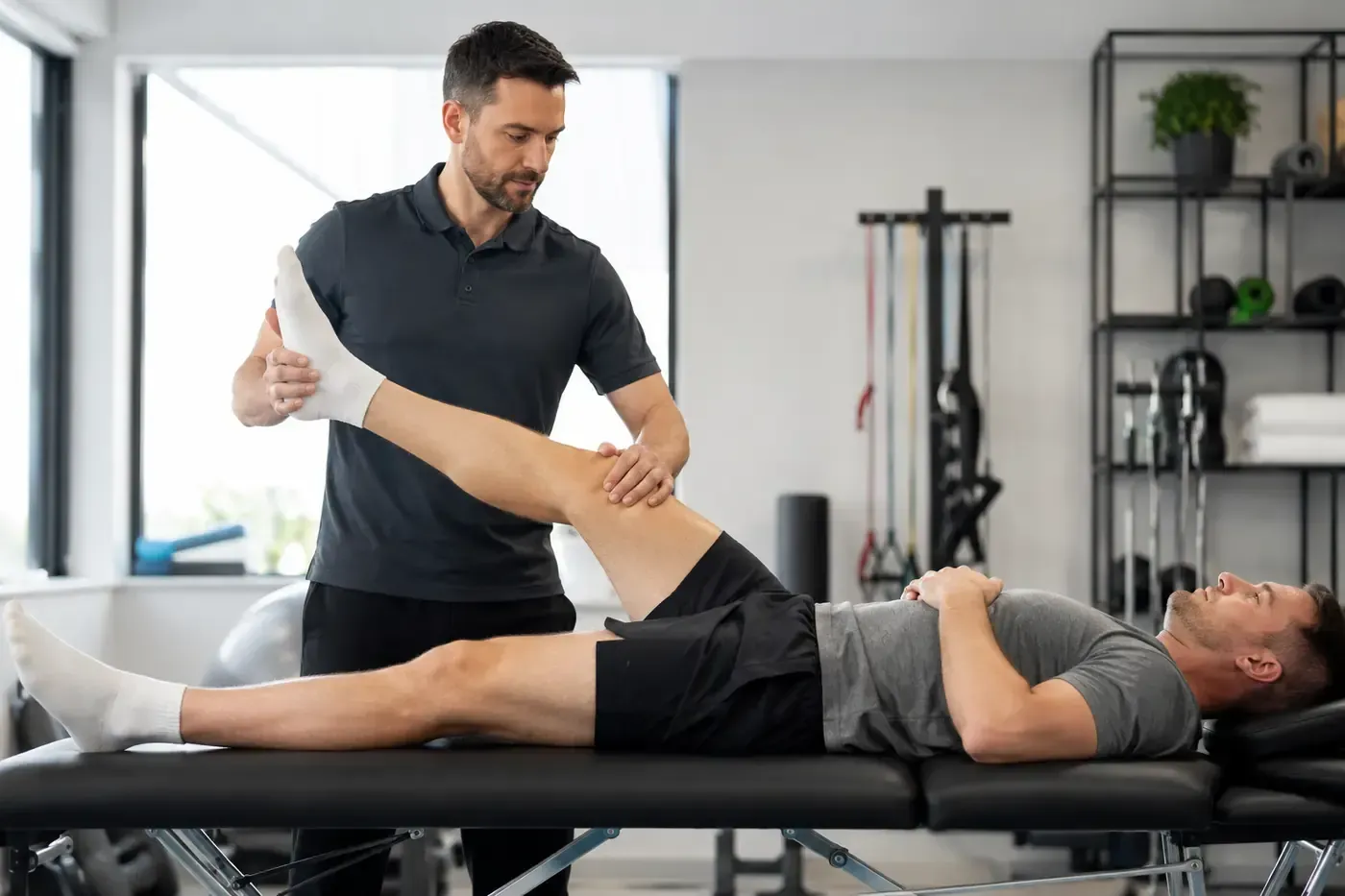
Learn why sciatica symptoms may travel from the lower back into the leg and how physiotherapy assessment in Mississauga can guide rehabilitation.
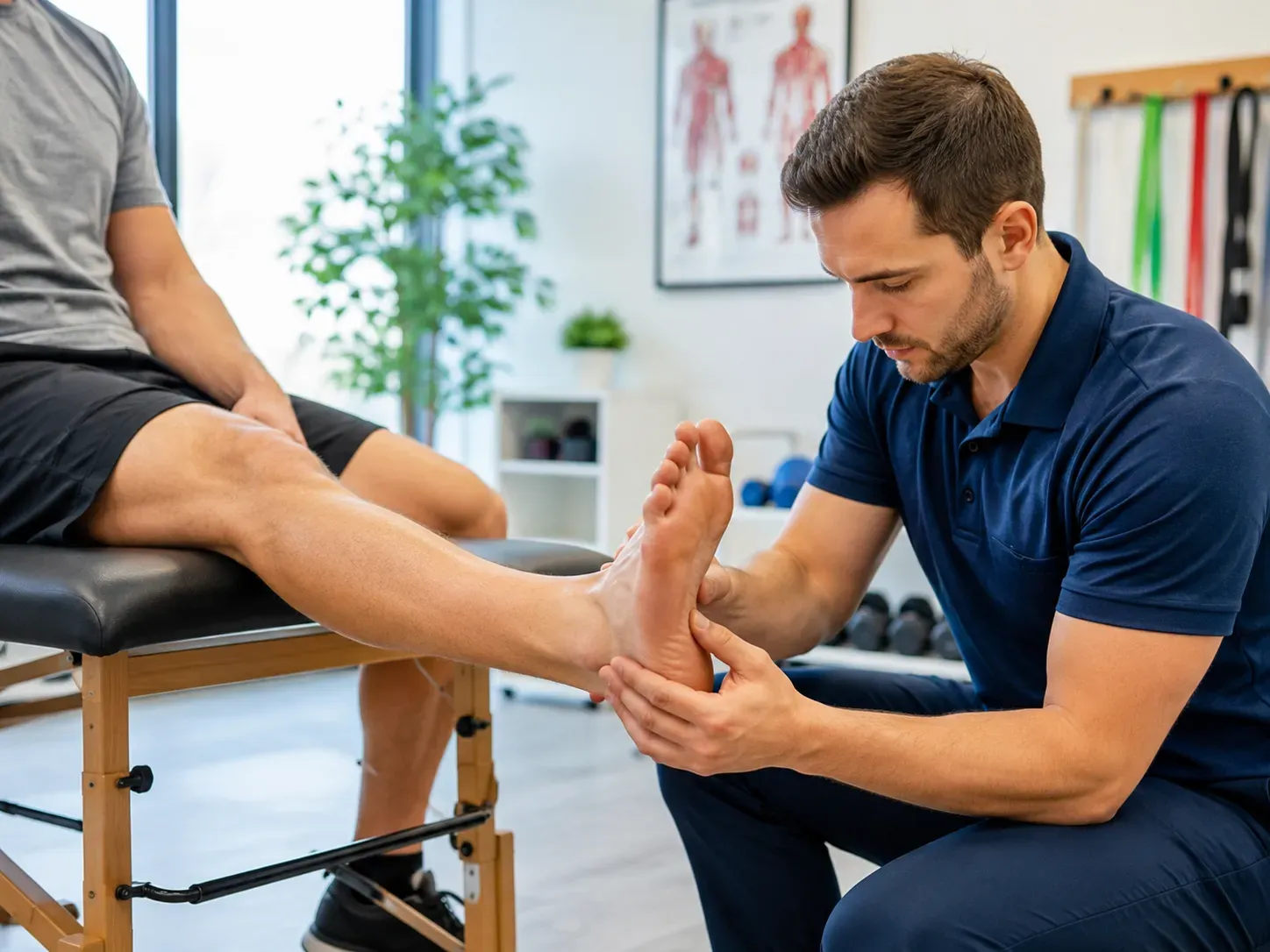
Learn why plantar fasciitis and heel pain can keep returning and how physiotherapy, Shockwave Therapy, exercise and foot support may help recovery.
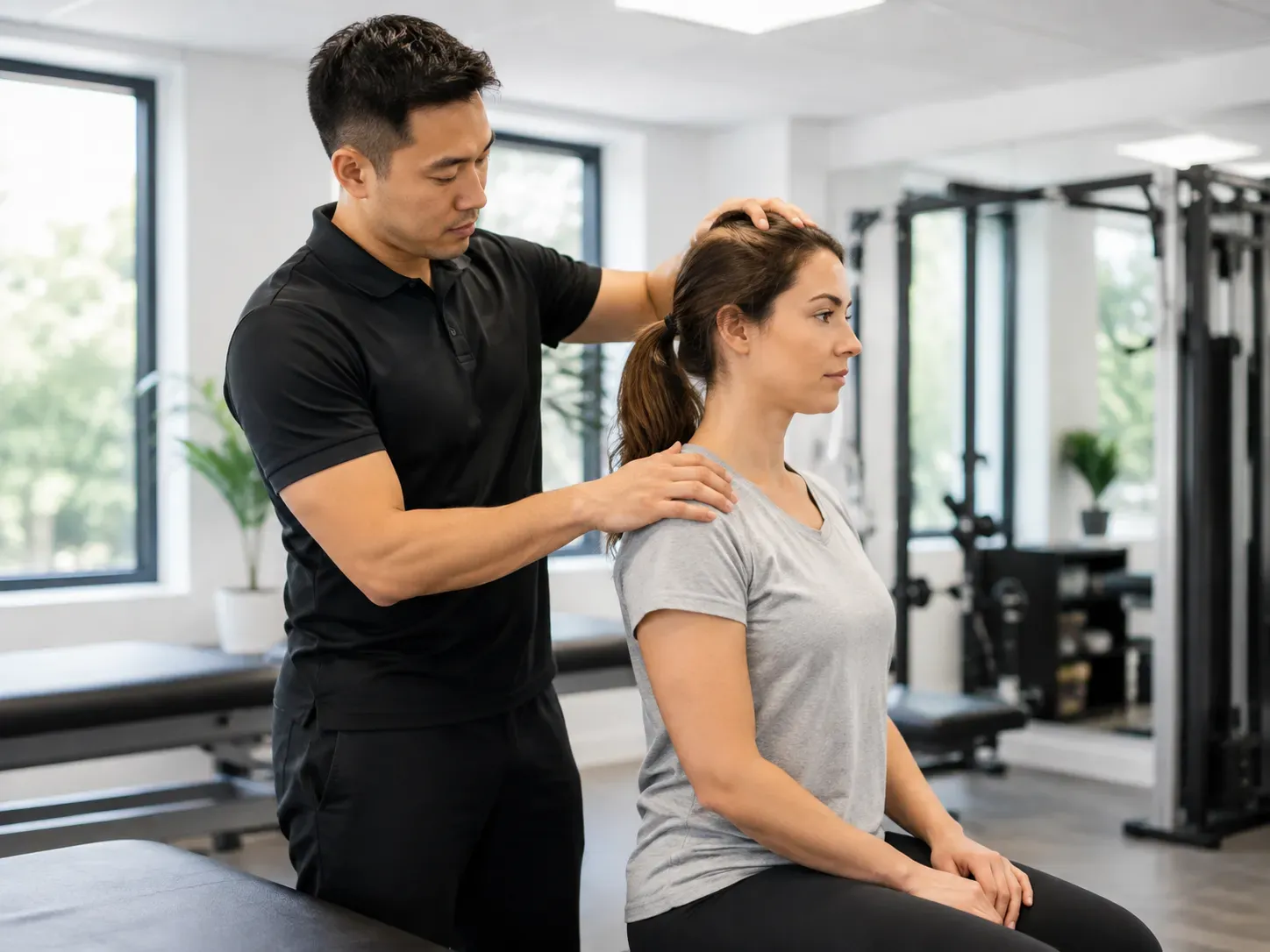
Learn how neck and shoulder pain can be connected through posture, mobility, muscle tension and movement patterns, and how physiotherapy assessment may help.
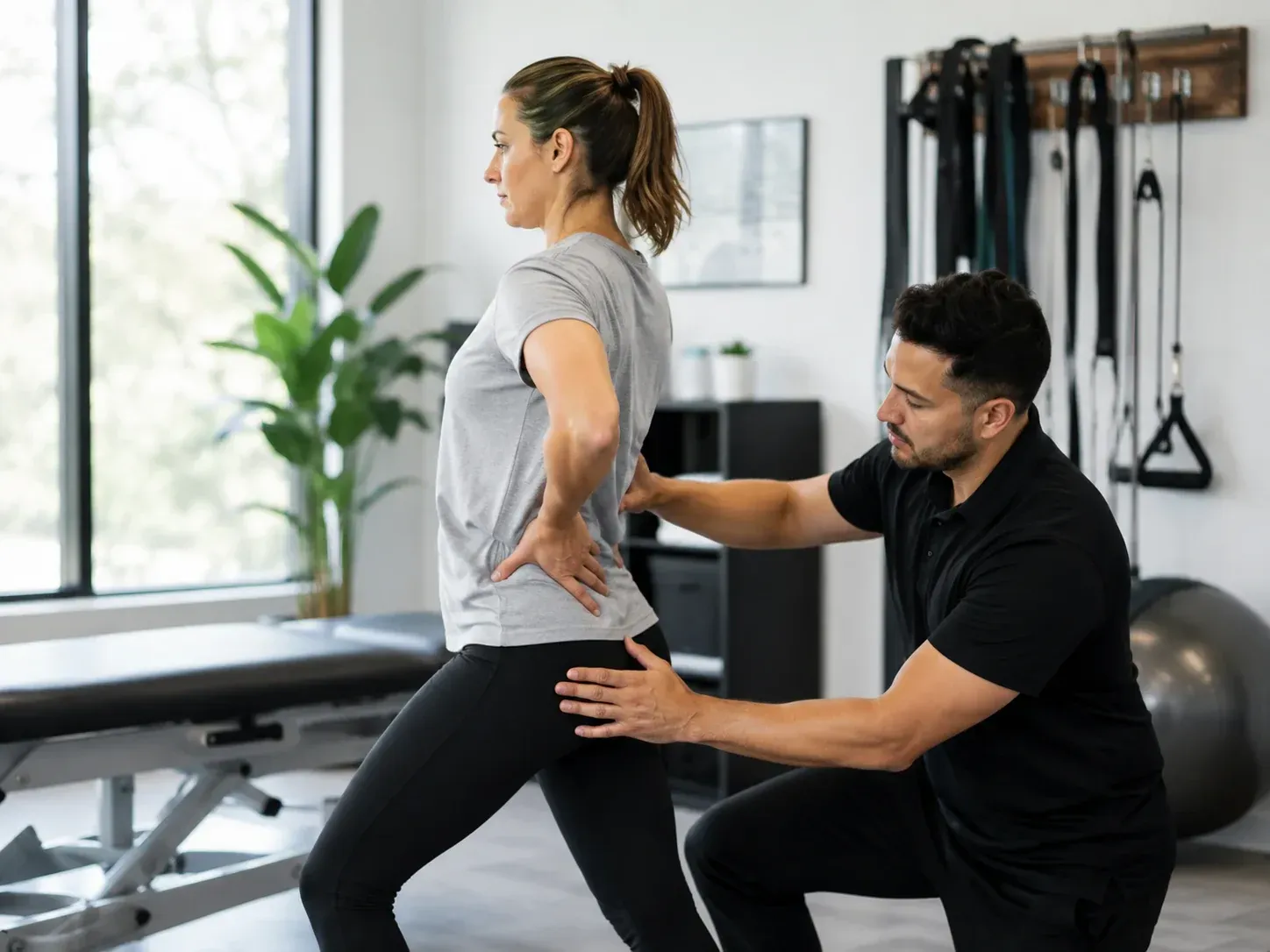
Learn why core and pelvic control can matter during lower back pain recovery and how personalized physiotherapy in Mississauga can support movement and function.
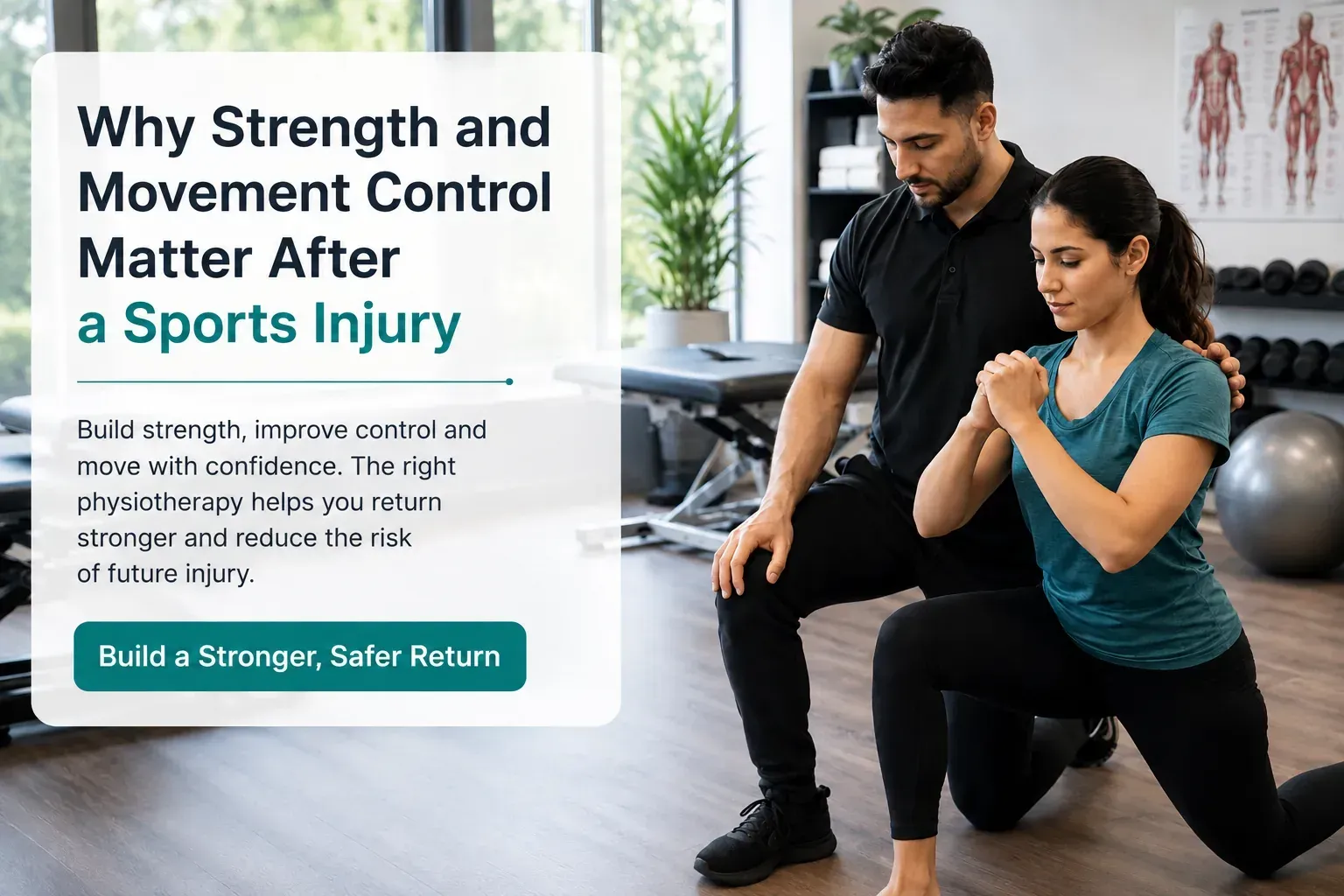
Learn how registered massage therapy may help reduce muscle tension, support mobility and complement rehabilitation at Dynamic Physiotherapy in Mississauga.
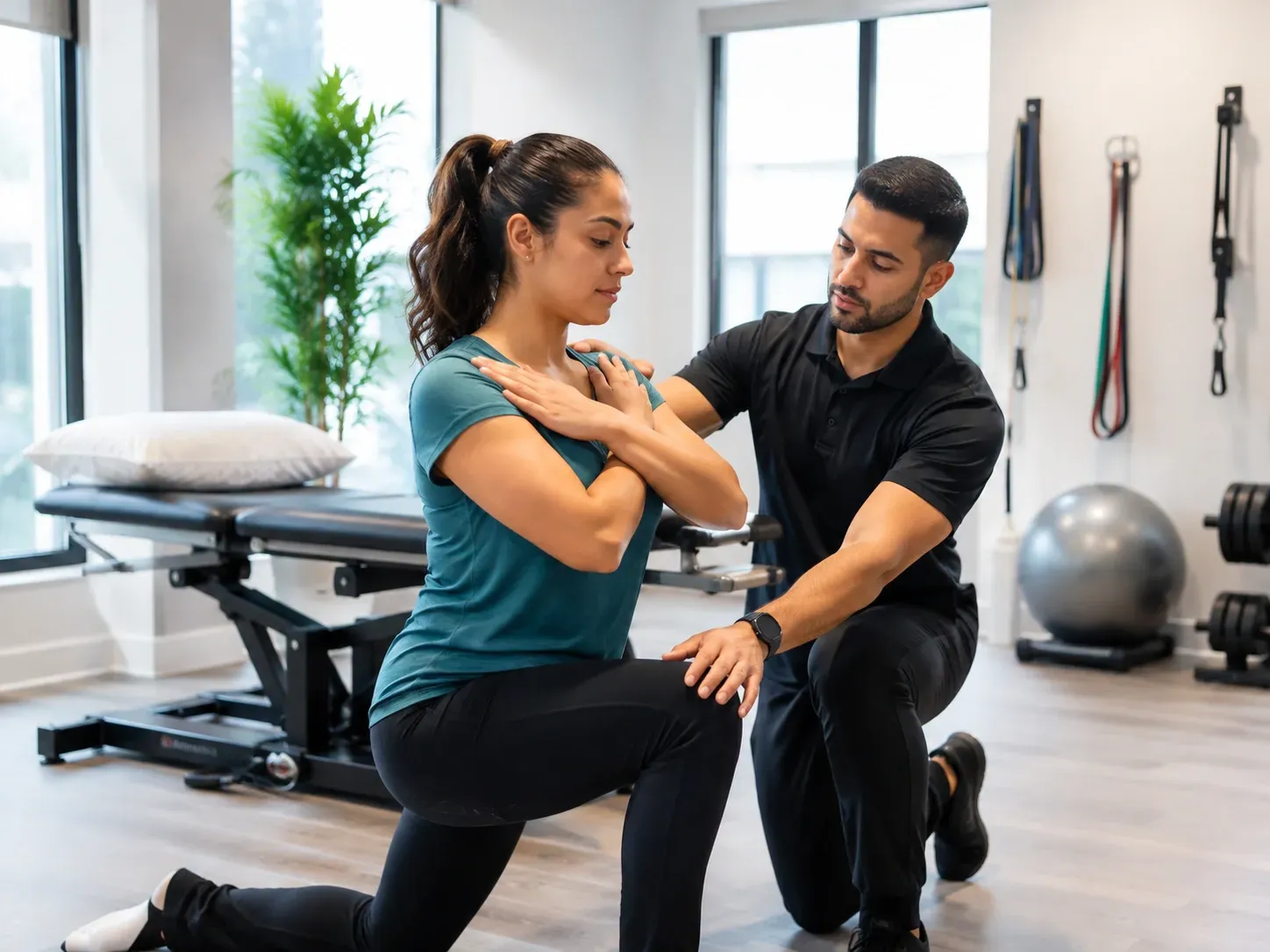
Learn why strength, balance and movement control matter after a sports injury and how physiotherapy can support a safer return to activity.

Contact Dynamic Physiotherapy & Sports Injury in Mississauga
For expert care and rehabilitation, contact Dynamic Physiotherapy & Sports Injury in Mississauga. Our dedicated team is ready to help you recover and achieve your health goals.