Robert Wodz • June 27, 2025

Breaking the Pain Cycle: How Myofascial Release Therapy Restores Movement and Reduces Tension


Understanding the Fascial System and Chronic Pain
Chronic pain, restricted movement, and muscle stiffness are common complaints that interfere
with daily life and recovery. Yet, many individuals with these symptoms overlook a crucial
component of their body’s structure: the fascia. Fascia is the thin, tough connective tissue that
surrounds and supports every muscle, bone, nerve, and organ in the body. When this system
becomes tight, damaged, or stuck due to injury, poor posture, inflammation, or repetitive stress,
it can cause widespread discomfort and dysfunction. 

Myofascial pain syndrome, a condition that results from these restrictions, can mimic other diagnoses, often leading to prolonged pain without resolution. At Dynamic Physiotherapy in Mississauga, our physiotherapists specialize in a highly effective treatment called myofascial release therapy. This hands-on technique targets the source of fascial restrictions, releasing tension, improving circulation, and restoring proper movement mechanics. By directly addressing the fascial system, our therapists help clients break the pain cycle and return to daily activities with confidence and ease.

What is Myofascial Release Therapy?
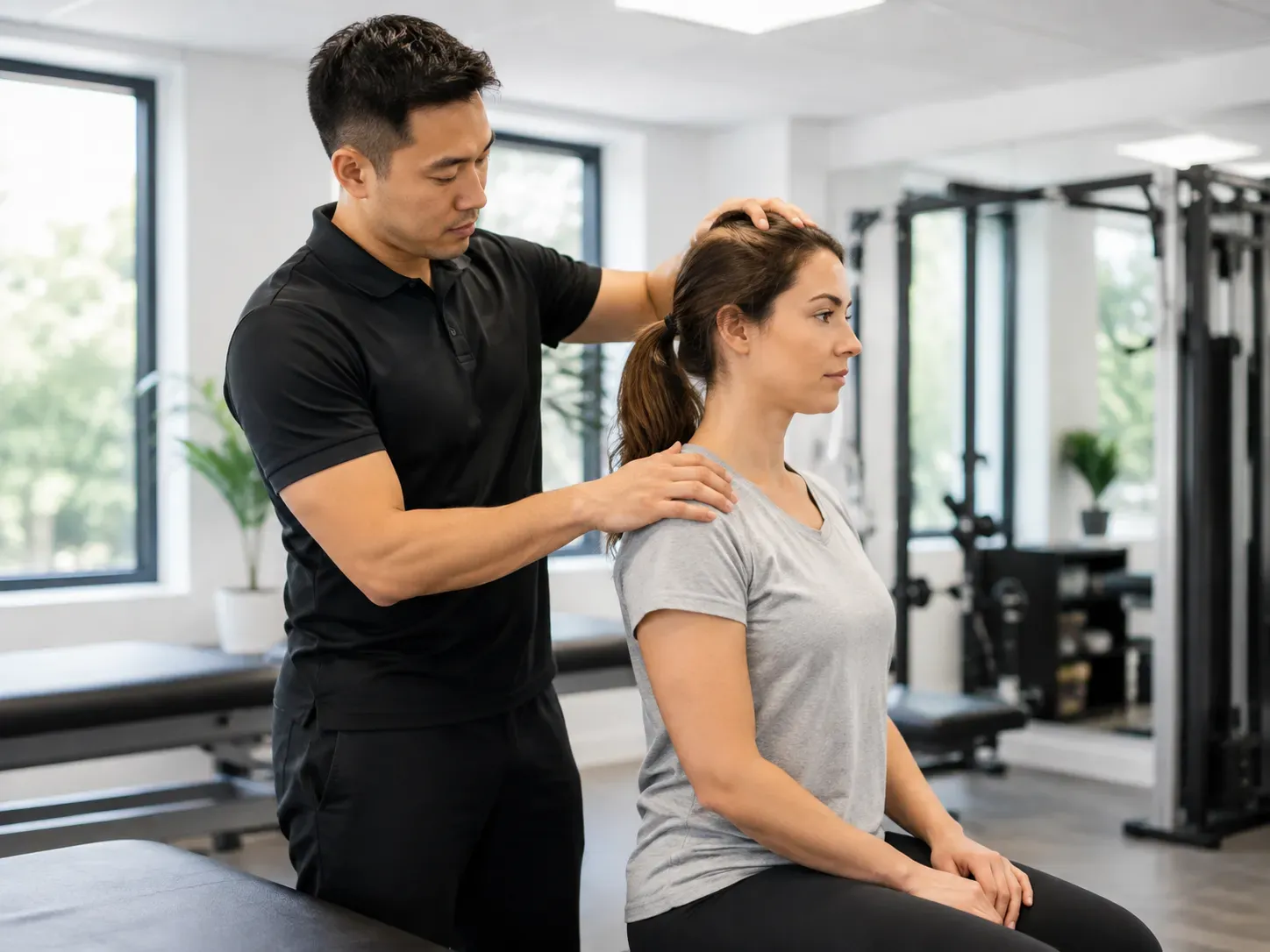
Myofascial release therapy is a specialized form of manual therapy that uses gentle, sustained
pressure to stretch and loosen the fascia. Unlike traditional massage therapy or deep tissue
work, this technique is performed slowly and with careful precision, allowing the therapist to
locate areas of restriction and apply just enough force to encourage natural release. The goal is
not to simply relax the muscles but to soften and realign the connective tissue, restoring the
glide between layers and reducing pressure on pain-sensitive structures. At Dynamic Physiotherapy in Mississauga, our team uses myofascial release therapy as part of an integrated physiotherapy plan that treats the body holistically. Clients often feel a reduction in stiffness and pain within a few sessions, along with improved posture, balance, and mobility. Whether your discomfort stems from an acute injury or a chronic condition, this technique can be the key to unlocking lasting relief.

Who Can Benefit from Myofascial Release?
Myofascial release therapy is recommended for clients experiencing a range of musculoskeletal
and soft tissue issues. Common conditions treated with this approach include myofascial pain
syndrome, fibromyalgia, chronic neck and back pain, TMJ dysfunction, tension headaches and
migraines, shoulder impingement and rotator cuff injuries, postural misalignment and restricted
range of motion, sciatica and nerve entrapment, and post-surgical scar tissue and adhesions. It
is also helpful for athletes recovering from muscle overuse, individuals with repetitive strain
injuries from desk work, and those managing long-standing tension from poor biomechanics. At
Dynamic Physiotherapy Mississauga, we tailor this therapy to each patient’s needs, ensuring it’s
safe, effective, and compatible with their overall treatment plan. Because fascia is
interconnected throughout the body, releasing one area often creates a domino effect of relief in
other regions, making this therapy particularly valuable for complex or widespread symptoms.

The Science Behind Fascia and Pain
Fascia is a continuous, three-dimensional web of connective tissue that not only provides
structural support but also plays a role in transmitting force and neurological signals. When
fascia becomes tight or stuck due to trauma, inflammation, or inactivity, it can trap nerves,
reduce blood flow, and create pain referral patterns. These restrictions often don’t show up on
traditional imaging like X-rays or MRIs, leading to frustration for clients who know something
feels wrong but can’t find a clear diagnosis. Myofascial release targets these unseen issues by
improving fascial mobility, reducing neural irritation, and enhancing tissue hydration and nutrient
flow. By restoring normal tension and movement in the fascia, this therapy improves overall
function and reduces reliance on pain medications. At Dynamic Physiotherapy, we use
hands-on assessments and patient feedback to locate fascial restrictions that may be
contributing to your symptoms and apply targeted release techniques for meaningful relief.

What to Expect During Myofascial Release at Our Clinic
Your myofascial release session at Dynamic Physiotherapy begins with a comprehensive
evaluation of your posture, range of motion, and areas of pain or restriction. Our physiotherapists will then use slow, sustained manual pressure on key points where fascial adhesions are detected. The experience is typically gentle and comfortable, although clients may feel a deep stretch or mild discomfort as the tissue begins to release. Unlike massage, there are no oils or fast strokes—instead, we work methodically and patiently to allow the tissue to respond. Sessions may focus on multiple areas of the body, as restrictions in one area often affect other regions. Each treatment is tailored to your body’s needs and tolerance, and results are cumulative over time. Clients often notice improvements in pain, posture, and movement after the first few sessions, with continued gains as treatment progresses. We also provide education on posture, stretching, and movement habits to help maintain the results between visits.

Combining Myofascial Release with Other Physiotherapy Services
Myofascial release therapy is most effective when combined with a comprehensive
physiotherapy plan. At Dynamic Physiotherapy Mississauga, we integrate this treatment with
other evidence-based modalities such as acupuncture, electro-acuscope therapy, therapeutic
exercises, shockwave therapy, and joint mobilizations. For example, a patient recovering from a
shoulder injury may benefit from myofascial release to reduce tissue tightness, followed by
strengthening exercises to restore stability and prevent re-injury. A client with chronic low back
pain might receive a combination of fascial work and core retraining to correct underlying
imbalances. Because fascia responds well to movement and hydration, we also guide clients on
daily mobility routines and hydration strategies to support long-term benefits. Our integrated
approach ensures that each therapy builds upon the last, accelerating recovery and maximizing
outcomes for every client.

Why Choose Dynamic Physiotherapy for Myofascial Release in Mississauga?
Our clinic is staffed by highly trained physiotherapists who specialize in manual therapy
techniques, including advanced myofascial release methods. We don’t offer cookie-cutter
treatments—every session is customized to your unique condition, goals, and comfort level. We
take the time to listen to your concerns, explain what we’re doing and why, and empower you
with the knowledge you need to maintain your progress outside of the clinic. Located
conveniently in Mississauga, our facility is welcoming, professional, and fully equipped to
provide comprehensive care for a wide range of conditions. With flexible appointment times and
direct billing for most insurance plans, getting expert care has never been easier. We pride
ourselves on a reputation for results and patient satisfaction, with many clients returning to us
for ongoing wellness support long after their initial treatment is complete.

The Lasting Benefits of Myofascial Release Therapy
Clients who receive myofascial release therapy at Dynamic Physiotherapy often report
significant improvements in both physical comfort and daily function. Benefits include reduced
chronic pain and tension, improved flexibility and range of motion, better posture and alignment,
decreased reliance on medications, enhanced athletic performance and recovery, improved
energy levels due to less compensatory strain, and better sleep and stress reduction. These
outcomes aren’t just physical—they translate into greater freedom, confidence, and quality of
life. By treating the body as an interconnected system rather than isolated parts, myofascial
release therapy offers a comprehensive solution to pain that’s often been resistant to other
treatments.

Book Your Myofascial Release Appointment Today
If you're struggling with chronic tension, limited mobility, or persistent pain that hasn’t responded
to other treatments, myofascial release therapy may be the missing piece in your recovery. At
Dynamic Physiotherapy in Mississauga, we provide expert care in a supportive, results-driven
environment where your comfort and progress come first. Our team is ready to help you release
the restrictions holding you back so you can move freely, live fully, and enjoy a higher level of
physical well-being.

📞 Call us at (905) 273-5433 or visit www.dynamicphysiotherapy.ca to book your
appointment and experience the benefits of myofascial release therapy for yourself.

SHARE POST:


Leave a Comment:

Our Recent Post:

December 16, 2025
Regular movement is vital to our health, yet many of us go through life with hidden imbalances that compromise our mobility, increase fatigue, and raise the risk of injury. Movement screening and corrective exercise offer a powerful solution by identifying and addressing those underlying dysfunctions before they become painful problems. At Dynamic Physiotherapy in Mississauga we specialize in movement screening physiotherapy that helps clients move better, feel stronger, and avoid future injury through tailored corrective exercise programs. What is movement screening? It is a comprehensive assessment of how your body moves—how you squat, lunge, reach, twist and transition—and how your joints, muscles and nervous system coordinate to perform those tasks. A movement screening physiotherapy session in Mississauga typically includes tests for joint range of motion, strength imbalances, muscle activation patterns, posture, gait analysis and functional movement challenges like stepping or reaching. The goal is to identify movement inefficiencies, compensations and restrictions that may not yet hurt but could be adding wear-and-tear over time. Corrective exercise comes next. Once imbalances are discovered through screening, we design a program that targets those specific weaknesses and compensations. Corrective exercise might involve activation of under-used muscles, stretching of over-active or tight muscles, neuromuscular coordination drills, and movement pattern retraining. In our Mississauga clinic we integrate these exercises into each patient’s individualized plan so the body learns new, efficient ways to move. When combined with our physiotherapy services, this proactive approach becomes a key element in preventing injury and enhancing performance. Why is this proactive approach so important for injury prevention? Many injuries do not occur suddenly but instead follow a pattern of repetitive strain, fatigue and gradual overload. For example a runner might have subtle hip weakness that forces the knee to absorb more stress, or a desk worker might have tight chest muscles and weak scapular stabilizers that lead to shoulder pain. Movement screening chooses to spot the root cause rather than just treating the symptom. Corrective exercise then realigns the body so movement becomes more balanced and efficient, reducing the load on joints and soft tissues and decreasing the likelihood of future injury. Our movement screening and corrective exercise program at Dynamic Physiotherapy in Mississauga begins with a detailed assessment. We ask about your lifestyle, work demands, sports or hobbies and pain history. Then we observe how you move through key patterns, test your strength and mobility and identify where movement is altered or inefficient. From there we create a corrective program that fits your goals—whether you want to return to sport, improve fitness, reduce work fatigue or simply move without pain. Each exercise is selected and progressed as you improve to ensure your movement quality continues to evolve. Corrective exercise is often layered into treatment and recovery programs for conditions like lower back pain, shoulder impingement, knee pain and neck dysfunction. For example a person with chronic low back pain may present with poor trunk control and weak glutes. By integrating corrective exercises that activate the gluteal muscles, retrain trunk stability and improve hip mobility, our physiotherapists address the cause of the pain rather than just releasing tightness. Over time this leads to stronger, more resilient movement and less likelihood of recurrence. In Mississauga’s active community, whether you are a weekend athlete, busy professional or recreational walker, movement screening physiotherapy provides a strategic advantage. It helps you sidestep injuries that keep you sidelined and supports performance whether you are on the field, at work or with family. At Dynamic Physiotherapy we offer state-of-the-art screening tools and experienced clinicians who interpret the data and integrate corrective programs seamlessly into your routine. The benefits of movement screening and corrective exercise go beyond injury prevention. Improving movement efficiency often leads to better posture, less fatigue, improved strength, enhanced balance and more enjoyment in everyday activity. People frequently report that they feel lighter on their feet, recover faster after workouts and have fewer aches and pains after work. With our physiotherapy-based approach in Mississauga we ensure you are not simply working harder but moving smarter. If you are experiencing recurring aches, frustration with performance-plateaus, or want to proactively protect your body from future injuries, movement screening physiotherapy and corrective exercise may be the solution you have been looking for. At Dynamic Physiotherapy in Mississauga our team is ready to assess your movement patterns create a precise corrective plan and support you each step of the way. Call us today at (905) 273-5433 or visit dynamicphysiotherapy.ca to schedule your movement screening assessment and begin moving better for life.
December 9, 2025
Recovering from a hip or knee replacement is a significant journey. While surgery may correct structural issues, the real work begins afterward in regaining strength, mobility, and confidence in daily life. At Dynamic Physiotherapy in Mississauga our expert team understands that successful rehabilitation following joint replacement includes more than simply walking again. We design physiotherapy programs that support each stage of healing, reduce complications, and ensure that you return not just to normal but to your best. Joint replacement physiotherapy in Mississauga begins with early movement. After surgery the body is healing and blood flow is essential to reduce swelling, minimize scar tissue, and preserve joint mobility. Our physiotherapists guide gentle passive and active range of motion exercises to maintain joint flexibility and avoid stiffness. Early physiotherapy helps prevent conditions such as frozen joint or persistent pain, which can undermine long-term outcomes. Strengthening is the cornerstone of recovery. The muscles around a replaced hip or knee often weaken from the lead up to surgery, the surgery itself, and the period of limited activity during recovery. Without restoration of strength in the quadriceps, glutes, hamstrings, and surrounding stabilizers, compensatory movement patterns and joint stress can reappear. At our Mississauga clinic we create tailored strengthening programs that begin with low-impact loading and progressively challenge patients as they recover. This ensures joint stability, promotes balanced gait, and supports lasting function. Balance, coordination, and functional training are equally important. Simple walking is rarely enough to restore full capability. Our physiotherapists integrate multi‐plane movement, step training, and dynamic drills that mirror everyday tasks and sport demands. This functional focus promotes better confidence and performance in real life and reduces the risk of falling or re-injury. In Mississauga where active lifestyles are common we emphasize returning to meaningful activities safely and with purpose. Manual therapy and soft tissue mobilization play a key role in optimizing outcomes after joint replacement. Scar tissue, tight muscles and altered gait mechanics frequently follow surgery. We use manual techniques to address these barriers, restore joint glide, and enhance mobility. These hands-on methods complement therapeutic exercise and help patients move better sooner in their rehabilitation. Education and patient engagement are essential parts of our program. We help patients understand how to protect their new joint, progress activity safely, and communicate when issues arise. Topics such as proper posture, footwear, safe transitions from sitting to standing, and gradual return to more demanding tasks are covered. When patients feel informed and empowered they are more engaged in their recovery and achieve better outcomes. Pain and swelling management are also significant after joint replacement. Our physiotherapy services in Mississauga offer modalities such as electro-therapy, compression, and manual lymph drainage when needed to reduce post‐operative discomfort and enhance recovery. This integrated approach supports tissue healing and helps patients achieve faster progress with less reliance on medications. Long-term success following joint replacement is defined not only by freedom from pain but by the ability to move, work, play and enjoy life fully. At Dynamic Physiotherapy we track progress with measurable goals tailored to your lifestyle. Whether you aim to return to gardening, walking your dog, playing with grandkids, or competing in sport, we tailor the program toward your goals. We believe joint replacement physiotherapy in Mississauga should be proactive, individualized and geared toward performance—not just recovery. If you are preparing for a hip or knee replacement or are in the early phases of post-surgical recovery, trust the team at Dynamic Physiotherapy to guide you through your rehabilitation with expertise, compassion and results-driven care. Call us today at (905) 273-5433 or visit our website at www.dynamicphysiotherapy.ca to book your personalized assessment and take the next step toward long‐term mobility and strength.
December 3, 2025
Your feet are literally your body’s foundation. When foot mechanics are functioning optimally, your knees, hips, pelvis and spine can move smoothly and efficiently. But when foot biomechanics are off—due to flat feet, high arches, overpronation or leg-length differences—the misalignment reverberates upward, contributing to knee strain, hip pain, lower back discomfort and even neck issues. At Dynamic Physiotherapy in Mississauga our expert team understands that custom foot orthotics are not just shoe inserts—they are a vital component of restoring alignment, improving gait and resolving pain by addressing dysfunction at its source. Proper foot alignment supports optimal movement patterns. When your feet collapse inward or roll excessively during walking or running, it places torsional stress on the knees and hips, alters load-distribution and forces compensations upstream in the kinetic chain. Over time these compensations become inefficient, muscles fatigue prematurely, joints wear unevenly and pain emerges. Custom foot orthotics in Mississauga help by supporting the arches, controlling motion, redistributing forces and realigning the body from the ground up. At Dynamic Physiotherapy we start by assessing your gait, foot posture, joint mobility and your pain or functional complaint to determine whether orthotics will support your recovery and performance. The process begins with a detailed biomechanical assessment by one of our physiotherapists. We observe you walking or running, assess arch height, ankle and knee alignment, leg length symmetry and the way your foot interacts with the ground. We measure foot shape, mobility and pressure distribution where needed. This thorough evaluation tells us not only whether orthotics are indicated, but what type of support you need—whether it is cushioning, motion control, rigidity for high impact, or a corrective option for structural dysfunction. Once the type of orthotic is selected our clinic in Mississauga closely coordinates with orthotic labs and uses high-quality materials to craft a custom insert that fits your foot, shoe and lifestyle. Fitted properly, the orthotic supports your foot while you move, encourages better alignment during weight-bearing activities and reduces stress on compensating joints. We also integrate these orthotics into your overall physiotherapy plan so that the feet are supported while you rebuild strength, mobility and function in the rest of your body. Custom orthotics have many applications. Patients with plantar fasciitis often benefit because the arch support reduces strain on the plantar fascia and heel. Runners with repetitive knee pain such as patellofemoral syndrome often find that correcting foot mechanics reduces the load on the knee joint. Individuals with lower back pain occasionally discover that their discomfort originates with foot imbalance, so using orthotics alongside core strengthening and postural retraining can lead to dramatic improvements. At Dynamic Physiotherapy we regularly see that adding the right orthotic into a comprehensive physiotherapy plan accelerates recovery and prevents recurrence. But orthotics are not a “magic bullet” alone. They work best when paired with physiotherapy interventions. When you use orthotics alongside manual therapy, exercise, gait retraining and movement correction you optimize outcomes. For example if hip weakness is causing altered foot mechanics, orthotics alone may provide short-term relief but the underlying hip strength and control need addressing to obtain long-term results. Our physiotherapists in Mississauga build programs that strengthen glutes, hips, core and foot intrinsic muscles, improve balance and correct gait so that orthotics support a body that is moving well and efficiently. Athletes and active individuals especially benefit from this combined approach. Whether you are a weekend runner, a recreational soccer player or a serious competitor, the repetitive forces placed on your feet and legs demand optimal mechanics. A small imbalance becomes magnified when you run thousands of steps or make quick cuts. By integrating custom foot orthotics and physiotherapy in Mississauga you minimize injury risk, enhance training capacity and improve performance longevity. The patient education we provide at Dynamic Physiotherapy is equally important. Wearing orthotics isn’t simply a one-time adjustment. We guide you on how to gradually break in your orthotics, choose appropriate footwear, monitor changes in gait or comfort, and maintain the supportive effect. We also teach you how to perform simple foot and ankle strengthening exercises, check for signs of overload or irritation and understand how your orthotics interact with your activity demands. If you have unexplained knee, hip or lower back pain in Mississauga and suspect your feet may be the missing link or if you have been diagnosed with plantar fasciitis, flat feet or high arches, custom foot orthotics and physiotherapy may be the solution you’ve been searching for. At Dynamic Physiotherapy we provide expert assessment, precision orthotic fitting and an integrated treatment plan designed to restore alignment, mobility and comfort. Call us today at (905) 273-5433 to book your assessment and let us help you build a stronger foundation for movement and comfort.
November 26, 2025
Preventing re-injury is just as important as recovering from the first one. Many clients come to Dynamic Physiotherapy in Mississauga after an injury that has healed, only to find the same problem returns later. That often happens because underlying weaknesses, movement patterns, or soft tissue imbalances were never fully addressed. Maintenance physiotherapy is a proactive approach that helps protect your gains, strengthen vulnerabilities, and lower the risk of recurrence. When an injury occurs, physiotherapy focuses heavily on healing the damaged area through manual therapy, modalities, and tailored exercises. That is crucial—but once pain subsides and motion returns, many people stop treatment entirely. Without ongoing maintenance, the joint, muscle, or connective tissue remains at risk. Everyday activities, repetitive stress, or sudden strain can trigger the injury cascade all over again. Maintenance physiotherapy works before symptoms reappear, addressing weak links in strength, flexibility, proprioception, and movement patterns. At Dynamic Physiotherapy, our maintenance plans often begin with a follow-up assessment. We evaluate whether compensatory habits developed during recovery are still present, check for residual restrictions or tightness, and test functional strength and balance. We also review your lifestyle, posture, and daily routines that may impose ongoing stress on vulnerable areas. This lets us design a plan that supports your specific body and goals moving forward. A core component of maintenance physiotherapy is periodic “tune-ups.” These sessions may include manual therapy to release tension, joint mobilization to preserve range of motion, or soft tissue work to address subtle tightness before it becomes symptomatic. In some cases, modalities like shockwave or electro-acuscope may be used to manage micro-injuries before they manifest as pain. Because these sessions are preventive, the intensity is lower and focused on preserving function rather than deep rehabilitation. Complementing manual work, maintenance also includes strength, flexibility, and movement programming. We design low-impact routines that target stabilization of joints, core integrity, and endurance of supporting muscles. Stretching and mobility work help maintain elasticity in soft tissue. Our team teaches proper warm-up and cooldown protocols to buffer stress during activity. Small but consistent habits make a big difference over time. Monitoring and adapting is key in maintenance physiotherapy. Because each body changes with age, activity level, and life circumstances, what worked last year might not suffice today. We reassess periodically, adjust your program, and respond to feedback. This keeps you progressing and protected in the long run. One of the most powerful aspects of maintenance work is injury risk reduction during sports or demanding tasks. Athletes, weekend warriors, and active professionals benefit immensely when minor weaknesses are caught early. A tight hip flexor, weak rotator cuff, or subtle ankle instability can become the tipping point during a game or workday. Maintenance physiotherapy catches these before they cause major problems. Beyond physical benefits, maintenance care supports confidence and consistency. Knowing you have a plan and a trusted clinician monitoring your body allows you to engage fully in life, sport, or work without fear. It offers peace of mind. In Mississauga, where many people lead busy, active lives, having a preventive partner in musculoskeletal health is a strong advantage. If you have recovered from an injury but want to make sure it never comes back, Dynamic Physiotherapy in Mississauga can help. Our maintenance physiotherapy plans are tailored to your body, lifestyle, and goals. We will build a program that protects you today and into the future. Call us at (905) 273-5433 or visit www.dynamicphysiotherapy.ca to book your maintenance assessment and start staying stronger, longer.
November 18, 2025
Recovering from COVID-19 doesn’t always stop when the virus clears. Many individuals experience lingering symptoms such as fatigue, shortness of breath, muscle weakness, joint pain, and balance disturbances. These persistent effects are commonly referred to as Long COVID or post-COVID syndrome. Physiotherapy has become a cornerstone in rehabilitating those long-term symptoms and restoring quality of life. At Dynamic Physiotherapy in Mississauga, our team is equipped to design and guide movement recovery programs that address these complex challenges with safety, personalization, and evidence-based progression. Long COVID affects multiple systems in the body — respiratory, musculoskeletal, cardiovascular, and neurological. As a result, rehabilitation must be multidisciplinary. Physiotherapy plays a key role by focusing on improving mobility, strength, endurance, and balance. We begin with a detailed assessment of respiratory function, muscle strength, joint flexibility, endurance capacity, and functional movement. From there, we tailor an individualized program that gradually reintroduces safe movement, helping patients rebuild their strength without overexertion or relapse. One of the biggest challenges in Long COVID rehabilitation is managing post-exertional symptom exacerbation (PESE), where symptoms worsen after physical activity. To counter this, we use pacing strategies and controlled progression. Our physiotherapists guide patients to gradually increase activity in small increments, monitoring vital signs and symptom response. This method helps rebuild tolerance without triggering flare-ups. Respiratory physiotherapy is often a primary component of Long COVID care. Even after recovery from the acute illness, many individuals retain compromised lung capacity and inefficient breathing patterns. We employ techniques such as breathing retraining, diaphragmatic breathing, airway clearance exercises, and inspiratory muscle strengthening. These interventions help improve ventilation, reduce breathlessness, and support better oxygen delivery during movement. Muscle deconditioning and atrophy are common after prolonged illness or bed rest. Recovery programs therefore emphasize gentle strength training and resistance exercise. Our protocols start with low load, high repetition movements targeting major muscle groups and progress carefully based on patient tolerance. Importantly, we integrate functional exercises that mirror daily tasks to restore meaningful strength rather than just gym-style gains. Joint stiffness and pain may also occur due to inactivity or inflammation during the illness. Through manual therapy techniques, joint mobilizations, soft tissue release, and guided stretching, we help regain mobility and reduce discomfort. This approach enables more efficient movement and supports the success of strength and endurance training. Balance, coordination, and proprioception are often impaired post-COVID, especially in those who experienced neurological symptoms or vestibular disturbances. Our rehabilitation programs include balance training, coordination drills, gait retraining, and sensorimotor integration to rebuild confidence in movement and reduce the risk of falls or instability. An educational component is also central to Long COVID physiotherapy. We teach patients energy conservation techniques, posture awareness, strategies to manage fatigue, and self-monitoring of vital signs such as heart rate, oxygen saturation, and perceived exertion. Empowering patients with knowledge ensures safer progression and long-term adherence. Dynamic Physiotherapy in Mississauga is committed to delivering safe, evidence-based movement recovery support for those navigating Long COVID symptoms. We recognize every patient’s path is unique and adapt our programming accordingly. Whether you need help walking again, managing fatigue, or regaining strength, we tailor every step of your rehab journey to your capabilities and goals. If you or someone you know is struggling with lingering symptoms after COVID-19 and wants professional guidance and support in movement recovery, contact Dynamic Physiotherapy today at (905) 273-5433 or visit www.dynamicphysiotherapy.ca to schedule your assessment. Let us help you rebuild strength, mobility, and confidence one step at a time.
November 11, 2025
Compression therapy is often underrated, but it plays an important role in injury recovery, edema management, and vascular health. Many people think of compression as just tight socks or stockings. At Dynamic Physiotherapy in Mississauga, we use compression therapy as part of a comprehensive treatment plan to assist in reducing swelling, improving circulation, and supporting tissues while they heal. Whether you’re recovering from surgery, managing chronic swelling, or dealing with lower-limb discomfort, understanding how compression works and when to use it can make a difference in your recovery journey. Compression therapy works by applying controlled pressure to the limbs, usually the legs, to support venous return (the flow of blood back toward the heart). This pressure counteracts gravitational pooling of blood, reduces the diameter of veins, and helps maintain flow. In a therapeutic context, the goal is to prevent fluid accumulation in tissues (edema), reduce swelling, and support the tissues that are healing. In patients with soft tissue injuries, post-operative swelling, or chronic venous insufficiency, compression can be a passive support that allows active treatments—manual therapy, exercise, modalities—to work more efficiently. One of the key benefits of using compression in physiotherapy is that it helps maintain the gains made during a session. After applying manual mobilization, soft tissue release, or joint work, tissues tend to rebound—swelling can return, tissues can stiffen again. The use of compression garments or bandaging helps hold tissues in a better resting state so they don’t regress between sessions. In this way, compression acts as a bridge—extending the effect of active treatment and supporting more stable progress throughout rehabilitation. In Mississauga, many patients recovering from lower limb injuries, varicose vein discomfort, or post-surgical swelling benefit from combining compression with other therapies. For example, after ankle surgery, wearing compression socks may reduce fluid buildup and support circulation while the patient begins early mobility work. Similarly, for individuals with chronic leg swelling from venous conditions, physiotherapy combined with compression helps manage symptoms more sustainably. Compression also supports patients who stand or walk a lot by minimizing fatigue and discomfort in their legs. When prescribing compression therapy, the fit, pressure level, and duration of wear matter greatly. Ill-fitting or overly tight garments can cause discomfort or even impaired circulation. At Dynamic Physiotherapy, we assess limb dimensions, swelling patterns, and patient tolerance to select the right type of compression—whether gradual compression stockings, wraps, or bandages. We guide patients on when to wear compression (during activity, all day, or during recovery), how to don and doff the garments, and how to monitor skin integrity. This level of supervision ensures safety and efficacy. Safety is especially important in patients with vascular or circulatory disease, skin integrity issues, or peripheral arterial disease. Not everyone can use compression safely, so an assessment is critical. In our Mississauga clinic, we screen for contraindications, monitor patient comfort and skin health, and adjust prescriptions as the condition evolves. Compression in physiotherapy is never a “one-size-fits-all” solution; it is tailored to the individual and integrated with the rest of the rehabilitation plan. In addition to static compression garments, dynamic compression tools such as pneumatic compression devices can be used in certain cases. These devices apply rhythmic pressure changes and are used in cases of significant swelling or more advanced vascular conditions. In a physiotherapy setting, we may use these devices in combination with manual drainage techniques, massage, and movement to accelerate reduction of edema. Compression also plays a role in lymphatic health. Some patients develop lymphedema (swelling from lymphatic system disruption) after surgeries, radiation, or trauma. While full lymphedema care often involves more intensive protocols, compression is one pillar of management—helping contain swelling and support lymph flow. Used in conjunction with manual drainage techniques, compression can help keep swelling in check and support mobility. Of course, compression should never be isolated from active treatment. Its benefit is maximized when combined with physiotherapy interventions like manual therapy, exercise, movement retraining, and modalities that enhance circulation and tissue health. The whole-body approach ensures that compression supports the gains achieved during therapy rather than replacing active care. If you’re experiencing swelling, lower limb fatigue, post-surgical edema, or want to explore whether compression therapy is appropriate for your condition, we can help. At Dynamic Physiotherapy in Mississauga, our team assesses your needs, prescribes the proper compression option, and integrates it into a broader rehabilitation plan. Call us today at (905) 273-5433 or visit www.dynamicphysiotherapy.ca to book your compression and physiotherapy assessment.
November 7, 2025
Acupuncture physiotherapy in Mississauga is emerging as a powerful combination for those seeking effective non-invasive solutions to musculoskeletal pain and dysfunction. At Dynamic Physiotherapy in Mississauga we integrate acupuncture into our evidence-based physiotherapy programs to deliver a blended treatment that harnesses the best of Eastern healing traditions and Western movement science. This integrated approach not only relieves symptoms more quickly but addresses root causes of pain improving mobility function and quality of life. The concept of using acupuncture within a physiotherapy framework is grounded in growing scientific research. A systematic review conducted at the University of Brighton found that while acupuncture added to physiotherapy did not always show statistically significant improvements in pain or range of motion compared with physiotherapy alone, it did demonstrate better improvements in neck muscle strength and shoulder function when added to exercise and physiotherapy interventions. Another large study in older adults with chronic low back pain demonstrated that acupuncture plus usual care resulted in greater improvements in function and reduced pain compared with usual care alone. These findings reinforce the relevance of an integrated acupuncture physiotherapy model in a clinic environment. In practical terms what does acupuncture physiotherapy in Mississauga look like at Dynamic Physiotherapy? The process begins with a comprehensive physical assessment by a licensed physiotherapist who is also trained in acupuncture. We evaluate posture movement patterns joint and soft tissue health muscle strength and the specific pain or dysfunction being addressed. Based on this assessment we design a tailored treatment plan that blends acupuncture with manual therapy therapeutic exercise movement retraining and other physiotherapy modalities as required. The goal is not simply to apply needles for symptom relief but to use acupuncture as a strategic tool within a broader movement recovery plan. During the acupuncture component of treatment very fine sterile needles are placed at precise anatomical points chosen for their relevance to the patient’s condition. From a traditional medicine perspective these points lie along meridians where energy flows; from a modern physiotherapy perspective the stimulation of these points may enhance circulation release endogenous pain-modulating chemicals and promote the body’s natural healing processes. Patients typically report a gentle tingling or warmth and most find the experience relaxing. Immediately after needle removal we support the session with movement interventions reinforcing the effect of the acupuncture by improving joint mobility muscle activation and functional patterns. The synergy of acupuncture and physiotherapy becomes especially valuable in cases of chronic pain post-surgical recovery or persistent movement dysfunction. Many patients come to our clinic after spending months trying single-modality treatments with limited success. By combining acupuncture’s ability to modulate pain and tissue sensitivity with physiotherapy’s capacity to restore movement mechanics we are able to produce more meaningful and lasting change. For example a patient suffering from chronic shoulder pain might benefit from acupuncture to calm local nerve irritation and soft tissue tension. We then move on to specific strengthening scapular control and postural retraining so that the improved tissue state translates into better performance and less risk of recurrence. Sports injuries likewise respond well to acupuncture integrated into physiotherapy. Whether you are a weekend warrior a competitive athlete or simply staying active musculoskeletal strains tendon irritations and over-use injuries can be enhanced by this dual approach. Acupuncture can reduce inflammation promote faster recovery while physiotherapy ensures you get back to full function safely. In Mississauga’s active community this kind of comprehensive care provides a strategic advantage in both recovery and prevention of future injury. Safety and professionalism are cornerstones of how we deliver acupuncture physiotherapy in Mississauga. At Dynamic Physiotherapy every acupuncture treatment is performed by a physiotherapist trained in both acupuncture and movement rehabilitation. Needles are single-use and sterile and the treatment is always integrated into your broader care plan rather than administered in isolation. For patients new to acupuncture our team provides clear explanations answers their concerns and tailors the treatment pace to their comfort levels. With minimal risk this gentle therapy becomes a reliable component of a wider physiotherapy strategy. The benefits of acupuncture extend beyond pain relief alone. The evidence base for acupuncture therapy indicates that it is increasingly accepted as part of comprehensive pain care. For patients in Mississauga who are seeking alternatives to long-term medication or who have experienced limited results from other treatments integrated acupuncture physiotherapy offers a compelling path. At Dynamic Physiotherapy we also emphasize lifestyle and movement education so that gains are maintained once treatment ends. Patients leave sessions with tools to use at home movement cues to maintain and a clearer understanding of how to support their own recovery. If you are looking for acupuncture physiotherapy in Mississauga or if you have been searching for a care path that blends relief mobility and functional recovery we invite you to contact us at Dynamic Physiotherapy. Our friendly team is ready to guide you through your assessment tailor a treatment plan and help you move better feel better and reclaim your active life. Call us today at (905) 273-5433 or visit www.dynamicphysiotherapy.ca to book your appointment.
November 4, 2025
Scar tissue is a natural outcome of healing after an injury or surgery. Over time, your body lays down collagen fibers to repair damaged tissues. However, when those fibers form in disorganized or dense patterns, a scar or adhesion can limit mobility, cause pain, and interfere with normal function. In Mississauga, many people underestimate how much these internal restrictions can affect their daily lives. At Dynamic Physiotherapy, we focus on scar tissue and adhesion treatment through targeted physiotherapy, helping patients reclaim movement, reduce discomfort, and restore optimal function. When scar tissue develops, it often lacks the pliability and structure of healthy tissue. As part of the remodeling process, collagen fibers may align across adjacent layers of soft tissue—skin, fascia, muscle—creating adhesions that restrict sliding and movement. These restrictions can lead to stiffness, localized pain, and compensatory movement patterns that strain nearby structures. Early intervention and guided treatment are essential to managing scar remodeling and minimizing long-term limitations. Physiotherapy techniques targeting scar tissue and adhesions include manual therapy, soft tissue mobilization, and specialized approaches such as instrument-assisted mobilization and controlled loading. Manual therapy such as scar massage, cross-friction mobilization, and myofascial release helps apply mechanical forces to the tissue, loosening adhesion and improving tissue glide. Studies on manual scar therapy show that it can positively influence pain, pliability, thickness, and appearance of scars. The physical therapy field recognizes scar management as an important component of rehabilitation that can improve functional outcomes. In clinical practice, our approach always begins with a thorough assessment. We examine the scar or adhesion region for sensitivity, skin mobility, how the scar affects range of motion, and whether nerves or soft tissues nearby are involved. We also evaluate posture, movement mechanics, and compensations that may have developed. This comprehensive view helps us understand whether the scar is a primary source of limitation or part of a broader dysfunction. Treatment is then carefully matched to the patient’s healing stage, tolerance, and goals. Scar tissue physiotherapy often begins with gentle soft tissue mobilization and progresses as the tissue adapts. We may use manual techniques to release superficial restrictions and gradually move into deeper mobilization. Instrument-assisted approaches such as IASTM (Instrument Assisted Soft Tissue Mobilization) can help apply controlled mechanical input to break down tougher adhesions and stimulate blood flow. Modalities like therapeutic ultrasound may assist by heating deeper tissues, improving circulation, and making collagen more responsive to intervention. Patients frequently report improved tissue mobility, less tightness, and better movement after a few sessions. Movement and loading are essential components of effective scar treatment. After initial mobilization, we guide patients through exercises that load the tissues in functional patterns. Stretching, eccentric loading, neuromuscular retraining, and progressive strengthening help remodel scar tissue in more organized, aligned ways rather than allowing it to remain rigid and random. This approach also reduces compensatory patterns by encouraging balanced movement throughout the kinetic chain. Nerve adhesions are an important consideration in scar treatment. When nerves become entrapped or tethered within adhesive tissue, patients may experience tingling, numbness, or burning sensations. Techniques to release nerve mobility—such as nerve gliding, gentle mobilization, and neural tissue release—help restore sliding interfaces and reduce irritability. This must be done carefully to avoid overstretching or aggravating sensitive structures. Timing of intervention is another critical factor. Scar remodeling occurs over many months, and the early phases (around the first year) are generally more responsive to intervention. Intervening during these periods allows for more effective guidance of collagen orientation. However, even mature scars can show improvements when treated gradually and thoughtfully. Research supports that physical management of scars, including manual therapy and modalities, can yield moderate to strong effects on symptoms and function. In cases such as arthrofibrosis, where excessive scar formation occurs in joints after injury or surgery, dedicated programs to address joint and soft tissue restrictions are essential. Without intervention, joint stiffness and pain may persist despite standard rehabilitation. Comprehensive scar and adhesion work helps break through restrictive tissue and restore mobility. By combining manual therapy, joint mobilization, and movement in a structured program, we help patients overcome these more challenging presentations. At Dynamic Physiotherapy in Mississauga, our scar treatment philosophy is founded on integration, progression, and patient education. We prioritize symptom monitoring and gradual tissue adaptation. Every plan is customized to match the patient’s healing status, tissue sensitivity, and functional goals. We teach self-mobilization techniques, stretching protocols, scar massage, and movement strategies to support gains between sessions. We aim to make healing collaborative, empowering patients to participate actively in their recovery. If you are experiencing pain, stiffness, or movement limitations around a scar, or suspect that adhesion is restricting your mobility, don’t wait for symptoms to worsen. Scar tissue physiotherapy in Mississauga can transform restrictive scars into functional tissue again. Call us today at (905) 273-5433 or visit our site at www.dynamicphysiotherapy.ca to schedule your scar and adhesion assessment and begin your path toward better movement and comfort.
Dynamic Physiotherapy & Sports Injury in Mississauga

Contact Dynamic Physiotherapy & Sports Injury in Mississauga

For expert care and rehabilitation, contact Dynamic Physiotherapy & Sports Injury in Mississauga. Our dedicated team is ready to help you recover and achieve your health goals.

GET STARTED