Robert Wodz • June 23, 2025

Why Physiotherapy is Essential for Long-Term Recovery and Mobility in Mississauga


The Power of Physiotherapy in Recovery and Wellness
In today’s fast-paced world, injuries, chronic pain, and physical limitations are more common than ever. From sports injuries and workplace strains to post-surgical rehab and age-related mobility issues, people are constantly seeking solutions that address the root cause of their physical problems—not just mask the symptoms. That’s where physiotherapy comes in. At Dynamic Physiotherapy in Mississauga, our licensed and experienced physiotherapists offer comprehensive assessments, hands-on treatments, and structured rehabilitation plans that focus on restoring movement, reducing pain, and helping clients achieve lasting functional independence. Physiotherapy is not just for athletes or people recovering from surgery—it is for anyone who wants to move better, feel better, and live with less discomfort. Our clinic’s reputation as a leading provider of physiotherapy in Mississauga comes from our evidence-based, patient-first approach. Each treatment plan is carefully customized based on your needs, condition, and goals. Whether you're struggling with knee pain from osteoarthritis, recovering from a rotator cuff tear, dealing with neck and back pain from long hours at a desk, or healing after an accident or surgery, we have the tools, techniques, and expertise to guide your recovery every step of the way.

What Makes Physiotherapy Effective?
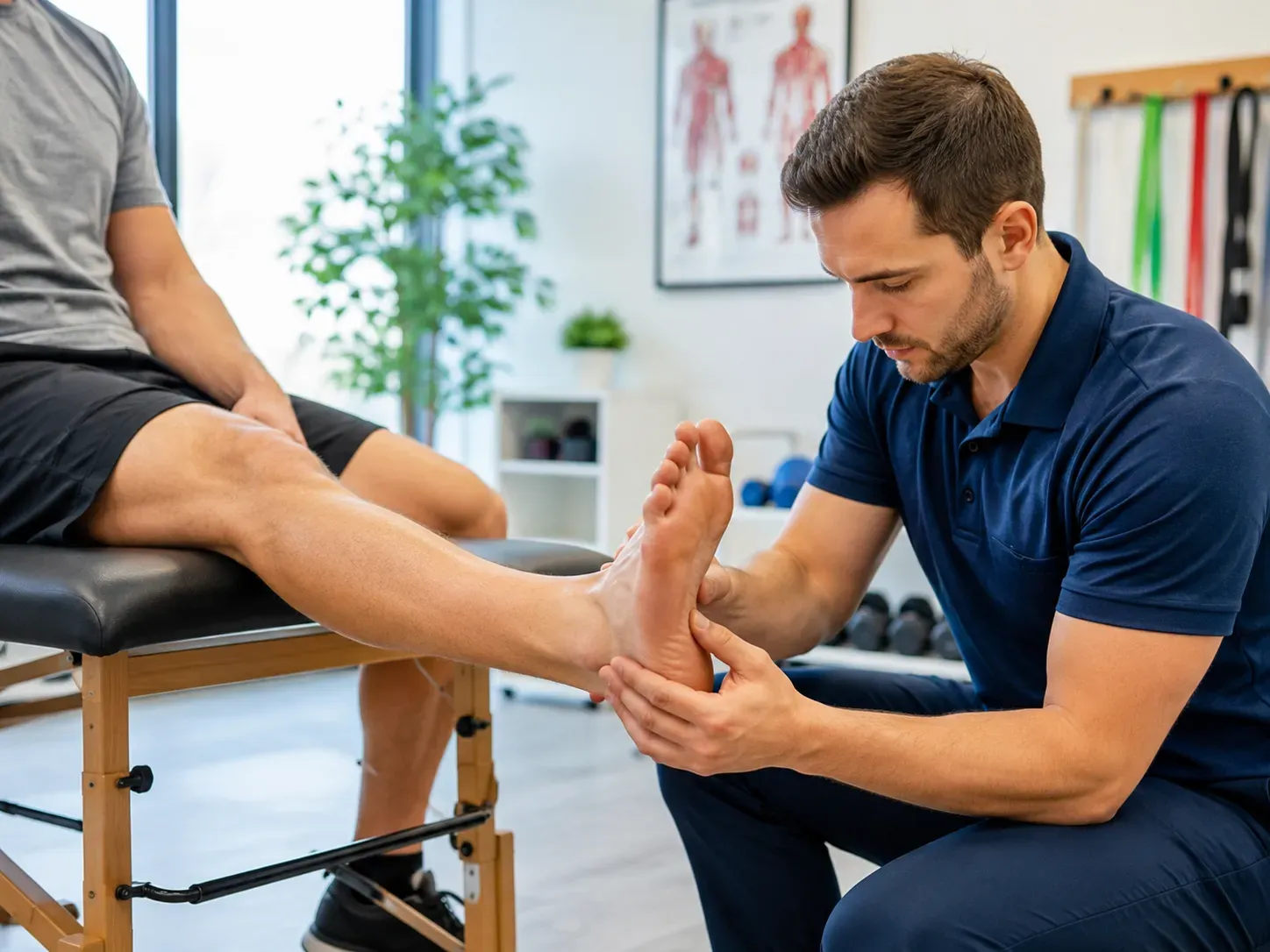
Physiotherapy focuses on restoring optimal physical function by addressing muscular imbalances, joint limitations, soft tissue restrictions, neurological issues, and movement dysfunctions. At Dynamic Physiotherapy, every session begins with a detailed evaluation of your posture, movement patterns, strength, flexibility, and range of motion. We don’t just treat symptoms—we dig deep to find the underlying causes of your pain or dysfunction. From there, we develop a comprehensive treatment plan that may include manual therapy to release tight tissues and mobilize joints, therapeutic exercises to build strength and correct imbalances, neuromuscular re-education to improve coordination and stability, electrical modalities like ultrasound or interferential current for pain relief, and home exercise guidance to continue progress outside of your sessions. Physiotherapy is about active participation—you’re not just receiving treatment; you’re working with a trained professional to retrain your body and restore function.

Conditions We Treat at Dynamic Physiotherapy Mississauga
Our physiotherapists regularly work with clients suffering from a wide range of musculoskeletal
and neurological conditions. These include back and neck pain due to disc herniation, degenerative changes, or poor posture, joint injuries such as rotator cuff tears, tennis elbow,
ACL sprains, and meniscus tears, repetitive strain injuries like carpal tunnel syndrome, plantar
fasciitis, or IT band syndrome, post-operative rehabilitation after orthopedic surgeries like knee
or hip replacements, sciatica and nerve impingements, sports-related injuries ranging from
sprains and muscle strains to concussions, and chronic conditions like arthritis, fibromyalgia,
and scoliosis. By using targeted interventions tailored to your diagnosis, we help you avoid
surgery when possible, reduce medication dependency, and improve your quality of life
naturally.

Why Choose Dynamic Physiotherapy in Mississauga?
Our clinic stands apart because we offer a personalized, one-on-one care model. You’re not just
another name on a chart—your goals, comfort, and results are at the center of everything we
do. Our physiotherapists in Mississauga are committed to ongoing education and stay up to
date with the latest clinical research and treatment methods. We incorporate modern technologies like shockwave therapy, the Electro-Acuscope Pain Management System, and customized orthotic evaluations into our physiotherapy programs when beneficial. In addition, we provide clear communication about your condition and progress, ensuring you are informed and empowered throughout your recovery journey. We understand that no two bodies are the same and no two injuries recover alike. That’s why our treatment plans are flexible and continuously adjusted to reflect your improvement and specific feedback. Whether you’re aiming to return to work, get back into sports, or simply enjoy daily life without pain, our team will help you reach your milestones with compassion and expertise.

The Physiotherapy Process at Our Mississauga Clinic
When you book your first appointment with Dynamic Physiotherapy, you’ll begin with a full
assessment where we listen to your concerns, review your medical history, and complete a
physical evaluation. From there, we’ll establish short- and long-term goals that align with your
health priorities. A typical physiotherapy session may include hands-on therapy like soft tissue
release or joint mobilization, active exercises supervised by your physiotherapist, and corrective
movement training to prevent further injury. You’ll also receive guidance on ergonomic changes,
posture correction, and injury prevention strategies to apply in your daily routine. For post-surgical clients, we liaise with your surgeon and healthcare team to ensure your physiotherapy supports and complements your medical recovery plan. Every session is conducted in a private, fully equipped space so you can feel comfortable and focused on healing. We monitor your progress through regular reassessments and outcome measures, adjusting treatment plans based on how your body responds. This dynamic, responsive approach ensures the best possible recovery for every client.

The Benefits of Physiotherapy
Physiotherapy provides more than just symptom relief—it addresses long-term wellness.
Benefits include faster recovery times after injury or surgery, reduced risk of future injuries,
improved posture and body mechanics, enhanced joint mobility and muscle strength, better
balance and coordination, and non-invasive, drug-free pain relief. These outcomes are
especially valuable in today’s healthcare climate where patients are looking for safe, effective
alternatives to surgery and long-term medication use. Physiotherapy empowers individuals to
take charge of their health and mobility through education, movement, and guided rehabilitation.
Whether you are young or aging, active or sedentary, recovering or managing a chronic
condition, physiotherapy adapts to your needs and continues to deliver benefits throughout your
lifespan.

Physiotherapy for Active and Aging Populations
Our clinic serves a diverse range of clients in Mississauga, from young athletes to older adults
looking to maintain independence. Active individuals often turn to physiotherapy to improve
performance, prevent injury, and optimize recovery. Older clients benefit from improved balance,
fall prevention training, and mobility enhancement. For individuals with chronic health issues like
arthritis, osteoporosis, or diabetes, physiotherapy offers tools to manage symptoms, maintain
function, and avoid complications. At Dynamic Physiotherapy, our team understands the
physical demands placed on different life stages and tailors programs accordingly. From
pre-rehabilitation before surgery to rehabilitation after, we are here for every chapter of your
recovery journey.

Insurance Coverage and Accessibility
Physiotherapy services at our Mississauga clinic are covered by most extended health
insurance plans. We also work with patients recovering from motor vehicle accidents or
post-surgical procedures, providing proper documentation and reports for insurance claims.
Booking is simple through our online platform or by calling our clinic directly. With flexible
appointment scheduling and a central Mississauga location, getting the care you need has
never been easier.

Ready to Take the First Step Toward Recovery?
If you're searching for physiotherapy in Mississauga that delivers results with compassion and
professionalism, look no further than Dynamic Physiotherapy. Our team is ready to help you
move better, feel stronger, and regain your confidence through every stage of healing. Don’t let
pain or limited mobility dictate your life. Trust the experts who prioritize your function, safety, and
comfort.

📞 Call (905) 273-5433 to schedule your initial physiotherapy assessment today or visit
www.dynamicphysiotherapy.ca to book online and learn more about our wide range of services.

SHARE POST:


Leave a Comment:

Our Recent Post:

Physiotherapy assessment in Mississauga before starting treatment
By Robert Wodz March 21, 2026
Physiotherapy in Mississauga should start with proper assessment. Learn why correct diagnosis matters before treatment at Dynamic Physiotherapy Clinic.
March 3, 2026
Living with chronic pain can be exhausting, frustrating, and isolating. For many people, pain becomes part of daily life despite trying rest, medications, injections, or short-term treatments that only provide temporary relief. Chronic pain is not simply an ongoing injury that has failed to heal. It is often the result of complex changes in the way the body moves, the way tissues adapt to stress, and how the nervous system processes pain. Physiotherapy plays a critical role in addressing chronic pain by focusing on the root causes rather than just managing symptoms. At Dynamic Physiotherapy in Mississauga, our approach to chronic pain is structured, evidence-based, and designed to help people regain control over their bodies and their lives. Chronic pain is typically defined as pain that persists for longer than three months. It may begin with an injury, surgery, repetitive strain, or prolonged stress on the body, but over time it can exist even after the original tissue damage has healed. This is one reason why traditional treatments often fail. Rest alone can lead to stiffness and weakness. Pain medications may dull symptoms without addressing movement dysfunction. Injections may provide temporary relief but do not retrain the body to move efficiently. Physiotherapy takes a different approach by examining how pain has altered movement patterns, muscle activation, posture, and joint mechanics over time. One of the most common reasons chronic pain persists is compensation. When pain first appears, the body instinctively adapts to protect the affected area. Muscles tighten, movement becomes guarded, and other joints or muscle groups take on extra workload. While this is helpful in the short term, prolonged compensation leads to imbalance, weakness, and further strain. Over time, pain spreads or returns even after the initial injury seems resolved. Physiotherapy identifies these compensatory patterns and gradually retrains the body to move more efficiently and safely. Another factor in chronic pain is reduced tissue tolerance. When joints and muscles are not exposed to regular, progressive movement, they lose strength, flexibility, and resilience. This can make everyday activities feel painful or overwhelming. Physiotherapy restores tissue capacity through controlled, guided loading. Exercises are introduced gradually and tailored to the individual so the body learns to tolerate movement again without flare-ups. This process rebuilds confidence and reduces fear of movement, which is a major barrier for people living with chronic pain. At Dynamic Physiotherapy in Mississauga, chronic pain treatment begins with a detailed assessment. We take the time to understand your pain history, previous treatments, lifestyle demands, work environment, and activity levels. We assess posture, joint mobility, muscle strength, coordination, and movement patterns to identify what is contributing to ongoing discomfort. Chronic pain rarely has a single cause, which is why a thorough and individualized assessment is essential. Manual therapy is often an important component of chronic pain physiotherapy. Hands-on techniques help reduce muscle tension, improve joint mobility, and restore movement in areas that have become stiff or restricted over time. This can improve comfort and allow patients to engage more effectively in active rehabilitation. Manual therapy is not a standalone solution but a tool used alongside exercise and movement retraining to support long-term improvement. Therapeutic exercise is the foundation of lasting chronic pain relief. Exercises are selected based on the individual’s needs and progressed gradually to avoid flare-ups. This may include strengthening weak muscles, improving core stability, restoring joint range of motion, and retraining movement patterns that reduce stress on painful areas. Education plays a major role here. Understanding why certain exercises are prescribed and how they support recovery helps patients feel empowered rather than discouraged. Chronic pain also involves changes in the nervous system. When pain signals persist for long periods, the nervous system can become overly sensitive, responding to normal movement or pressure as if it were a threat. Physiotherapy helps calm this heightened response through graded exposure to movement, controlled loading, and consistent positive experiences with activity. Over time, the nervous system learns that movement is safe again, reducing pain intensity and frequency. Advanced physiotherapy modalities can also support chronic pain management when integrated appropriately. Treatments such as shockwave therapy and Electro-Acuscope microcurrent therapy may be used to address stubborn soft tissue restrictions, improve circulation, and support tissue healing. These therapies are used strategically as part of a broader plan, not as quick fixes, and are selected based on individual presentation and response to treatment. An often overlooked aspect of chronic pain is how it affects mental and emotional well-being. Long-term pain can lead to frustration, anxiety, disrupted sleep, and reduced participation in activities that bring joy. Physiotherapy supports supports both physical and emotional recovery by helping patients regain confidence in movement and rebuild a sense of control. Small improvements compound over time, restoring independence and quality of life. Physiotherapy for chronic pain is not about pushing through pain or chasing perfection. It is about creating sustainable progress. At Dynamic Physiotherapy, we focus on realistic goals, consistent improvement, and long-term strategies that patients can maintain beyond the clinic. This approach reduces reliance on passive treatments and empowers individuals to take an active role in their recovery. If you have been living with pain that does not seem to improve despite trying other treatments, physiotherapy may offer a different path forward. Chronic pain does not mean permanent pain. With the right assessment, guidance, and progressive care, meaningful change is possible. At Dynamic Physiotherapy in Mississauga, our experienced team is committed to helping you move better, feel stronger, and regain confidence in your body. Call (905) 273-5433 or visit www.dynamicphysiotherapy.ca to book a chronic pain assessment and take the first step toward lasting relief.
Physiotherapy shoulder rehabilitation in Mississauga with Shockwave Therapy
By Robert Wodz March 1, 2026
Looking for physiotherapy in Mississauga? We treat shoulder pain, sciatica, neck pain, and chronic injuries with structured rehabilitation and shockwave therapy.
February 24, 2026
When pain, stiffness, or movement issues appear, many people are unsure whether they should see a physiotherapist or a massage therapist. Both play important roles in musculoskeletal care, but they serve different purposes and are suited to different needs. Understanding the difference between physiotherapy and massage therapy can help you choose the right treatment, avoid delays in recovery, and achieve longer-lasting results. At Dynamic Physiotherapy in Mississauga, we often see patients who tried massage first and experienced temporary relief, only to find their pain returning. This blog explains why that happens and how physiotherapy differs in its approach to assessment, treatment, and long-term recovery. Massage therapy primarily focuses on soft tissue manipulation. It aims to reduce muscle tension, improve circulation, and promote relaxation. For many people, massage can be very helpful for stress relief, general muscle soreness, and short-term discomfort. It can reduce tightness and temporarily improve how the body feels. However, massage therapy does not typically assess joint mechanics, movement patterns, strength imbalances, or neurological involvement. This means that while symptoms may improve, the underlying cause of pain often remains unaddressed. Physiotherapy, on the other hand, is a regulated healthcare profession focused on diagnosing and treating movement dysfunction. Physiotherapists perform a comprehensive assessment that looks at how joints move, how muscles activate, how posture and alignment affect the body, and how injuries or pain influence movement patterns. The goal of physiotherapy is not only to reduce pain, but to restore proper function and prevent recurrence. This is why physiotherapy is often the recommended first step when pain is persistent, worsening, or related to injury. One of the biggest differences between physiotherapy and massage therapy is assessment. In physiotherapy, treatment begins with a detailed evaluation of your medical history, symptoms, movement patterns, strength, flexibility, and functional limitations. This assessment helps identify the root cause of pain rather than just the location of discomfort. For example, shoulder pain may actually be caused by poor posture, weak scapular muscles, or restricted movement in the upper back. Massage may temporarily ease shoulder tightness, but physiotherapy addresses the mechanical and functional issues that caused the pain in the first place. Treatment goals also differ significantly. Massage therapy is often passive, meaning the patient receives treatment without actively participating in the process. While this can feel relieving, it does not retrain the body. Physiotherapy is an active process. Manual therapy may be used to improve mobility and reduce pain, but it is combined with therapeutic exercise, movement retraining, and education. This active approach builds strength, improves coordination, and teaches the body how to move efficiently again, which is essential for lasting recovery. Another key distinction is how each approach handles injuries. Acute and chronic injuries require structured rehabilitation to heal properly. Physiotherapy is designed to guide tissue healing, restore range of motion, rebuild strength, and safely return individuals to work, sport, or daily activities. This includes managing load progression, preventing re-injury, and addressing compensations that develop after pain or trauma. Massage therapy does not typically include progressive rehabilitation or return-to-activity planning, which is why injuries may improve briefly but then flare up again. Pain that keeps returning is often a sign that the underlying issue has not been resolved. Many patients experience a cycle of temporary relief followed by recurrence when relying on passive treatments alone. Physiotherapy breaks this cycle by identifying why pain returns and addressing contributing factors such as poor posture, muscle imbalances, joint stiffness, or faulty movement patterns. This is especially important for conditions like lower back pain, neck pain, shoulder impingement, knee pain, and repetitive strain injuries. There are situations where massage therapy and physiotherapy work well together. Massage can be an excellent complement to physiotherapy by helping reduce muscle tension and improve comfort, allowing patients to engage more effectively in rehabilitation exercises. At Dynamic Physiotherapy in Mississauga, we may recommend massage as part of a broader treatment plan when appropriate. The key difference is that massage is used strategically rather than as a standalone solution for injury or dysfunction. Another important consideration is long-term outcomes. Physiotherapy focuses on prevention as much as recovery. Education on posture, ergonomics, movement strategies, and self-management empowers patients to maintain progress outside the clinic. This proactive approach reduces dependence on ongoing treatment and supports long-term musculoskeletal health. Massage therapy, while beneficial for relaxation and symptom relief, does not typically provide the tools needed to prevent future issues. Choosing between physiotherapy and massage therapy depends on your goals and symptoms. If you are dealing with ongoing pain, recovering from an injury or surgery, experiencing movement limitations, or noticing that discomfort keeps coming back, physiotherapy is usually the more appropriate starting point. If your goal is relaxation, stress relief, or temporary muscle tension reduction, massage therapy may be helpful. Understanding this distinction can save time, reduce frustration, and lead to better outcomes. At Dynamic Physiotherapy in Mississauga, our team takes the time to guide patients toward the care that best supports their recovery. We focus on treating the root cause of pain, restoring movement, and helping patients return to their daily activities with confidence. If you are unsure which treatment is right for you, a physiotherapy assessment can provide clarity and direction. If you are experiencing pain, stiffness, or movement issues and want a solution that goes beyond temporary relief, physiotherapy may be the right choice. Contact Dynamic Physiotherapy in Mississauga at (905) 273-5433 or visit www.dynamicphysiotherapy.ca to book an assessment and take the next step toward lasting recovery.
By Robert Wodz February 23, 2026
Struggling with low back pain in Mississauga? Dynamic Physiotherapy treats the root cause with personalized rehab and shockwave therapy for lasting relief.
February 17, 2026
One of the most frustrating experiences after an injury is thinking you have recovered, only to feel the same pain return weeks or months later. Many people assume recurring pain means they re-injured themselves or that their body is simply “wearing out.” In reality, recurring pain after injury is usually a sign that healing was incomplete or that underlying movement issues were never fully addressed. Physiotherapy is specifically designed to break this cycle by identifying why pain returns and correcting the factors that keep it coming back. At Dynamic Physiotherapy in Mississauga, we help patients move beyond short-term relief and achieve lasting recovery. When an injury first occurs, the body responds by protecting the affected area. Muscles tighten, movement becomes guarded, and activity levels drop. This protective response is normal and helpful in the early stages of healing. However, if movement is not properly restored, the body learns new habits that place stress on other joints and muscles. These compensations may reduce pain temporarily but create new problems elsewhere. Over time, the original pain or a related issue resurfaces, often without a clear cause. Another reason pain returns is incomplete rehabilitation. Many injuries start to feel better before the tissues are fully healed or strong enough to handle daily demands. When activity is resumed too quickly without proper strength, mobility, and control, tissues are overloaded again. This is especially common with back pain, shoulder injuries, knee pain, and repetitive strain injuries. Physiotherapy addresses this by guiding recovery through structured phases rather than stopping treatment once pain subsides. Scar tissue and stiffness also play a major role in recurring pain. After injury or surgery, the body forms scar tissue as part of the healing process. While scar tissue is necessary, excessive or poorly organized scar tissue can restrict movement and alter how forces travel through the body. This leads to joint stiffness, muscle overuse, and recurring discomfort. Physiotherapy uses manual techniques and targeted movement to improve tissue mobility and restore normal mechanics, reducing strain on surrounding structures. Weakness and muscle imbalance are another major contributor to recurring pain. After injury, certain muscles often shut down or weaken, while others become overactive to compensate. For example, after a lower back injury, core and glute muscles may weaken, causing the spine to rely on passive structures for support. Pain may disappear temporarily, but without restoring strength and coordination, the area remains vulnerable. Physiotherapy focuses on reactivating and strengthening these key muscles so the body can handle load safely. Poor movement patterns are often at the center of recurring injuries. Many people unknowingly move in ways that place repeated stress on the same tissues. This can include poor posture, inefficient lifting mechanics, altered gait, or limited joint mobility. Physiotherapists assess how patients move during everyday tasks such as walking, bending, reaching, and sitting. By retraining these patterns, physiotherapy reduces repeated stress and helps prevent the same injury from returning. The nervous system also plays a role in persistent and recurring pain. After an injury, pain signals can become heightened, making the body more sensitive to normal movement or pressure. This sensitivity can cause flare-ups even when tissues are no longer damaged. Physiotherapy helps calm the nervous system through graded exposure to movement, consistent loading, and positive movement experiences. Over time, the nervous system relearns that movement is safe, reducing pain responses and flare-ups. At Dynamic Physiotherapy in Mississauga, breaking the cycle of recurring pain begins with a thorough assessment. We look beyond the site of pain to evaluate posture, joint mobility, muscle strength, movement patterns, and lifestyle factors. Understanding how your body moves as a whole allows us to identify the true contributors to recurring discomfort. This comprehensive approach is essential for long-term success. Treatment focuses on restoring movement, strength, and control in a progressive and sustainable way. Manual therapy helps improve mobility and reduce stiffness. Therapeutic exercise builds strength and resilience in vulnerable areas. Movement retraining addresses faulty mechanics that place stress on healing tissues. Education empowers patients to understand their bodies and make changes that support ongoing recovery. Advanced modalities may be used when appropriate to support tissue healing and pain reduction, but they are always part of a broader rehabilitation plan. One of the most important aspects of physiotherapy is helping patients return to activity safely. Whether the goal is work, sport, or daily life, returning too quickly or without proper guidance increases the risk of recurrence. Physiotherapists guide this process by gradually increasing load, monitoring response, and ensuring the body is prepared for real-world demands. This structured progression is often what separates temporary relief from lasting recovery. Recurring pain does not mean you are broken or that healing is impossible. It usually means the body has not yet been given the right tools to move well again. Physiotherapy provides those tools by addressing the root causes of pain rather than masking symptoms. With the right approach, many people who have lived with recurring pain for years are able to regain confidence, function, and comfort. If you are dealing with pain that keeps coming back after injury, physiotherapy may be the missing piece. At Dynamic Physiotherapy in Mississauga, our experienced team is committed to helping you break the cycle and move forward with confidence. Call (905) 273-5433 or visit www.dynamicphysiotherapy.ca to book an assessment and start working toward lasting relief.
February 9, 2026
Modern work life has changed how our bodies move. For many people in Mississauga, a typical workday involves hours of sitting at a desk, looking at a screen, and performing repetitive tasks with limited movement. While this setup may feel harmless, prolonged desk work is one of the leading contributors to chronic neck pain, upper back tension, lower back discomfort, headaches, and postural issues. Physiotherapy plays a critical role in preventing and treating these problems by addressing how the body adapts to long periods of sitting and poor movement habits. At Dynamic Physiotherapy in Mississauga, we help desk workers reduce pain, improve posture, and move more comfortably throughout the day. Sitting itself is not inherently harmful, but staying in one position for too long places continuous stress on the spine and surrounding muscles. Over time, prolonged sitting encourages a forward head posture, rounded shoulders, and reduced activation of core and glute muscles. These changes shift the body’s natural alignment and increase strain on the neck, upper back, and lower back. Many people notice stiffness at the end of the day or pain that gradually worsens throughout the workweek. Physiotherapy addresses these patterns before they become chronic and harder to reverse. Neck pain is one of the most common complaints among desk workers. Looking down at screens, leaning forward toward monitors, or holding the head in a fixed position for extended periods increases the load on the cervical spine. Even small deviations in posture can significantly increase strain on neck muscles and joints. Physiotherapy evaluates neck mobility, muscle balance, posture, and movement patterns to identify why pain is occurring. Treatment focuses on restoring mobility to stiff joints, reducing muscle tension, and strengthening deep neck and upper back muscles that support proper alignment. Lower back pain is another frequent issue associated with desk work. Sitting for long periods reduces activation of the core and glute muscles while placing sustained pressure on spinal discs. Over time, this can lead to stiffness, weakness, and recurring pain. Physiotherapy helps by reactivating stabilizing muscles, improving hip and spinal mobility, and teaching movement strategies that reduce stress on the lower back. Strengthening the core and hips allows the spine to move more efficiently and tolerate daily demands without irritation. Upper back and shoulder discomfort often develop as a result of rounded posture and prolonged use of a keyboard and mouse. Tight chest muscles and weak upper back muscles pull the shoulders forward, placing strain on the shoulders and neck. Physiotherapy addresses these imbalances through manual therapy to release tight tissues and targeted exercises to strengthen postural muscles. Improving shoulder and upper back strength not only reduces pain but also improves breathing mechanics and overall comfort. One of the most important components of physiotherapy for desk workers is movement education. Many people believe that simply sitting up straight will fix posture-related pain, but posture is dynamic and needs to change throughout the day. Physiotherapists teach patients how to vary positions, take movement breaks, and incorporate gentle mobility exercises into the workday. Small changes such as standing up regularly, performing brief stretches, or adjusting workstation setup can have a significant impact on comfort and long-term spinal health. Ergonomic guidance is often part of physiotherapy care for desk workers. While physiotherapy does not replace formal ergonomic assessments, physiotherapists can provide practical recommendations for chair height, monitor placement, keyboard positioning, and overall workstation setup based on the individual’s body and symptoms. These adjustments reduce unnecessary strain and support healthier posture during prolonged sitting. When combined with exercise and movement retraining, ergonomic changes become far more effective. Physiotherapy also focuses on preventing pain from returning. Many desk workers experience cycles of discomfort that improve temporarily with rest or treatment but return once work resumes. This recurrence often occurs because the underlying movement and strength issues were never fully addressed. Physiotherapy breaks this cycle by building resilience in muscles and joints so the body can tolerate prolonged sitting and repetitive tasks without irritation. This proactive approach reduces reliance on short-term fixes and supports long-term comfort. Beyond pain relief, physiotherapy helps desk workers improve energy levels, concentration, and productivity. When the body moves efficiently and pain is reduced, fatigue decreases and mental focus improves. Many patients report feeling less drained at the end of the workday and more capable of staying active outside of work. This improvement in overall well-being highlights the importance of addressing musculoskeletal health as part of a balanced lifestyle. At Dynamic Physiotherapy in Mississauga, we understand the demands of desk-based work and the impact it can have on the body. Our physiotherapists take the time to assess how your work habits affect movement, posture, and comfort. We create personalized treatment plans that include manual therapy, targeted exercise, movement retraining, and practical strategies you can apply at work and at home. Our goal is not just to relieve pain but to help you move better throughout your day. If you spend long hours at a desk and are experiencing neck pain, back pain, stiffness, or recurring discomfort, physiotherapy can help. Early intervention can prevent minor issues from becoming chronic and disruptive. Contact Dynamic Physiotherapy in Mississauga at (905) 273-5433 or visit www.dynamicphysiotherapy.ca to book an assessment and start feeling more comfortable at work and beyond.
January 28, 2026
In the journey toward better health, mobility and quality of life, physiotherapy plays an incredible role. Physiotherapy is much more than exercise prescription; it is an evidence-based, tailored approach that helps people recover from injury, manage chronic conditions, restore functional movement and return to the daily activities they love. At Dynamic Physiotherapy in Mississauga, our experienced team offers a wide range of physiotherapy treatments combined with advanced modalities like shockwave therapy — a non-invasive healing technology that accelerates recovery, reduces pain and improves tissue health. This blog explores how modern physiotherapy treatments work, the unique benefits of shockwave therapy, and why choosing an integrated approach can make all the difference in your healing journey. Physiotherapy is a regulated health care profession focused on restoring and maintaining physical function. It draws on clinical science to help patients of all ages with musculoskeletal conditions, post-surgical rehabilitation, chronic pain, balance and coordination issues, neurological challenges and more. Physiotherapy treatments are individualized, designed after a detailed assessment of your medical history, physical examination, movement analysis and specific goals. By understanding your unique body, injury pattern and lifestyle demands, a physiotherapist creates a plan that addresses both symptoms and underlying causes of dysfunction. Physiotherapy aims to improve muscle mobility, joint movement, strength and general physical conditioning so patients can regain confidence and independence in everyday life. This comprehensive approach ensures safe progress and reduces the risk of future setbacks. One of the strengths of physiotherapy at Dynamic Physiotherapy in Mississauga is the integration of multiple evidence-based techniques. Manual therapy is a cornerstone of treatment, involving hands-on work to mobilize joints, release tight muscles and improve soft tissue mobility. Techniques such as myofascial release or joint mobilizations help reduce pain and stiffness while improving range of motion. Therapeutic exercise is another primary component: targeted strength and flexibility exercises restore muscular balance, enhance stability and support healthy movement patterns. These exercise programs are customized to each patient, progressing gradually to build capacity without overloading healing tissues. Education is also a critical part of physiotherapy, teaching patients about posture, movement habits and self-management strategies that extend beyond the clinic. While traditional physiotherapy modalities work exceptionally well for most conditions, some chronic or stubborn musculoskeletal issues benefit from advanced technologies. One such treatment offered at Dynamic Physiotherapy is shockwave therapy, a clinically proven modality that accelerates healing and relieves pain without injections or surgery. Shockwave therapy uses focused acoustic sound waves that penetrate deep into affected tissues to stimulate the body’s natural healing mechanisms. These waves increase blood flow to the injured area, reduce inflammation, break down scar tissue and trigger cellular repair processes that support recovery. Because of this mechanism, shockwave therapy has become an indispensable part of modern physiotherapy for many persistent conditions that have not responded well to traditional treatments alone. Shockwave therapy is particularly effective for a range of chronic tendon and soft tissue conditions. For example, plantar fasciitis, a condition involving inflammation of the thick band of tissue on the bottom of the foot, often responds well to shockwave therapy when traditional rest, bracing or stretching have not provided relief. Similarly, conditions like Achilles tendinopathy, shin splints, tennis elbow and golfers elbow demonstrate significant improvement with shockwave treatments, as the waves help break up fibrotic tissue and stimulate regeneration. Classic overuse injuries such as patellar tendonitis and bursitis also benefit from shockwave therapy due to its ability to enhance local circulation and support tissue repair. Another powerful application of shockwave therapy is in treating calcific tendonitis, particularly of the shoulder. In this condition, calcium deposits form within the tendon, causing significant pain and restricted motion. Traditional therapies might offer symptom control, but shockwave therapy targets the calcium deposits directly, helping break them down and encouraging the body to reabsorb the remnants. This not only alleviates pain but also contributes to improved range of motion and functional use of the shoulder. Patients often report noticeable improvements after a few sessions, with continued gain over the course of a complete treatment plan. A major advantage of shockwave therapy is its non-invasive nature. Unlike surgical interventions that require incisions, anesthesia, and recovery time, shockwave therapy is administered externally and typically involves minimal discomfort. Patients usually experience mild sensations at the treatment site, often described as brief pulses or pressure, but these are generally well-tolerated and short-lived. Sessions are relatively quick, often lasting around 15 to 30 minutes depending on the condition and treatment area. Most patients can resume their daily activities soon after therapy, with little to no downtime. This makes shockwave therapy an attractive option for busy individuals seeking effective healing without major disruption to their routines. Shockwave therapy is also an excellent option for individuals who wish to avoid or delay surgical procedures. While surgery may be necessary in certain severe cases, many chronic musculoskeletal issues can be significantly improved or resolved with targeted physiotherapy and shockwave therapy combined. This opens the door for patients to heal naturally using the body’s own repair mechanisms, reducing reliance on pain medications, and minimizing long-term risk factors associated with invasive procedures. Physiotherapists at Dynamic Physiotherapy carefully assess each patient to determine whether shockwave therapy is suitable and integrate it into a comprehensive plan that includes manual therapy, therapeutic exercise and lifestyle guidance. In addition to treating chronic tendon and soft tissue conditions, shockwave therapy accelerates recovery from injuries that traditionally take longer to heal. By stimulating blood flow and cellular regeneration, shockwave therapy can help tissues repair more efficiently, shortening recovery timelines and improving outcomes. For active individuals, athletes, and weekend warriors, this is particularly valuable. Whether recovering from a repetitive strain injury, a longstanding condition, or a stubborn soft tissue problem, shockwave therapy offers an evidence-based pathway to restore function and comfort. A vital aspect of physiotherapy treatment, including shockwave therapy, is the personalized care provided by experienced clinicians. At Dynamic Physiotherapy in Mississauga patients begin with a thorough assessment that considers their medical history, physical findings, imaging results, and personal goals. From there a customized treatment plan is created that may include a blend of manual techniques, modalities, corrective exercise, posture work, and advanced treatments like shockwave therapy. This individualized plan ensures that each patient’s unique needs are addressed effectively and safely. Patients often notice pain reduction, improved mobility, and enhanced functional ability within a few sessions — but consistency and professional guidance are key. Physiotherapy treatments work best when they are part of a structured care plan where progress is monitored, adjustments are made based on response, and exercises are progressed appropriately. With regular follow-up and adherence to the plan, patients typically experience sustained improvements that not only resolve current symptoms but also reduce the risk of future injury. Beyond the physical effects, physiotherapy treatments supported by modalities like shockwave therapy contribute to improved confidence, reduced fear of movement, and enhanced quality of life. Chronic pain and functional limitations can take a psychological toll, leading to frustration, reduced activity, and diminished well-being. By helping patients regain function and comfort, physiotherapy supports overall wellness — physically, mentally and socially. If you are experiencing persistent pain, mobility limitations, or chronic tendon or soft tissue conditions that have not responded to rest, medications, or conservative care, it may be time to explore advanced physiotherapy options in Mississauga. At Dynamic Physiotherapy & Sports Injury Clinic our team is dedicated to using modern, evidence-based treatments including shockwave therapy to help you move better, feel better and regain your active life. Call us today at (905) 273-5433 or visit www.dynamicphysiotherapy.ca to schedule your assessment and discover how these innovative therapies can help you achieve lasting relief and functional improvement.
Dynamic Physiotherapy & Sports Injury in Mississauga

Contact Dynamic Physiotherapy & Sports Injury in Mississauga

For expert care and rehabilitation, contact Dynamic Physiotherapy & Sports Injury in Mississauga. Our dedicated team is ready to help you recover and achieve your health goals.

GET STARTED