
Why Lower Back Pain Keeps Coming Back After Sitting, Bending, or Lifting
Learn why recurring lower back pain may return after everyday movements and how physiotherapy rehabilitation can help improve mobility, strength, and long-term recovery.
Why Lower Back Pain Keeps Coming Back After Sitting, Bending, or Lifting
Lower back pain is one of the most common reasons people seek physiotherapy. For some people, the pain improves for a few days and then returns after sitting too long, bending, lifting, driving, working, exercising, or getting back into normal daily movement.
At Dynamic Physiotherapy & Sports Injury Clinic in Mississauga, we often see patients who have tried rest, stretching, medication, or temporary symptom relief, only to have their lower back pain return again. When this happens, the issue may not be only the painful area itself. Recurring lower back pain is often connected to mobility limitations, muscle weakness, movement habits, joint stiffness, nerve irritation, or poor load tolerance.
Lower Back Pain Is Often More Than a Muscle Strain
Many people describe lower back pain as a pulled muscle, tight back, pinched nerve, or stiffness. While muscle tension can be part of the problem, lower back pain can also involve the joints, discs, nerves, hips, pelvis, and supporting muscles around the spine.
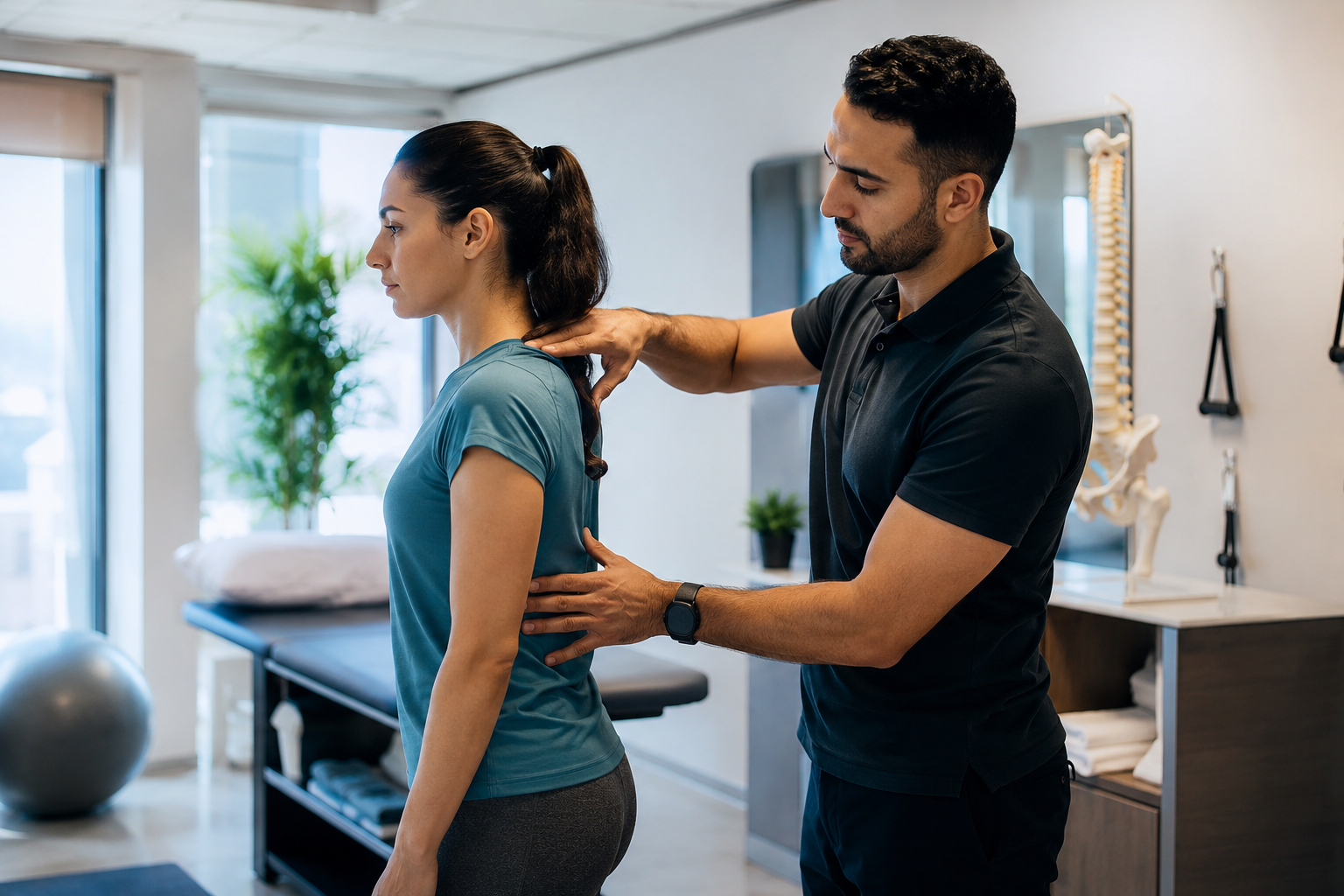
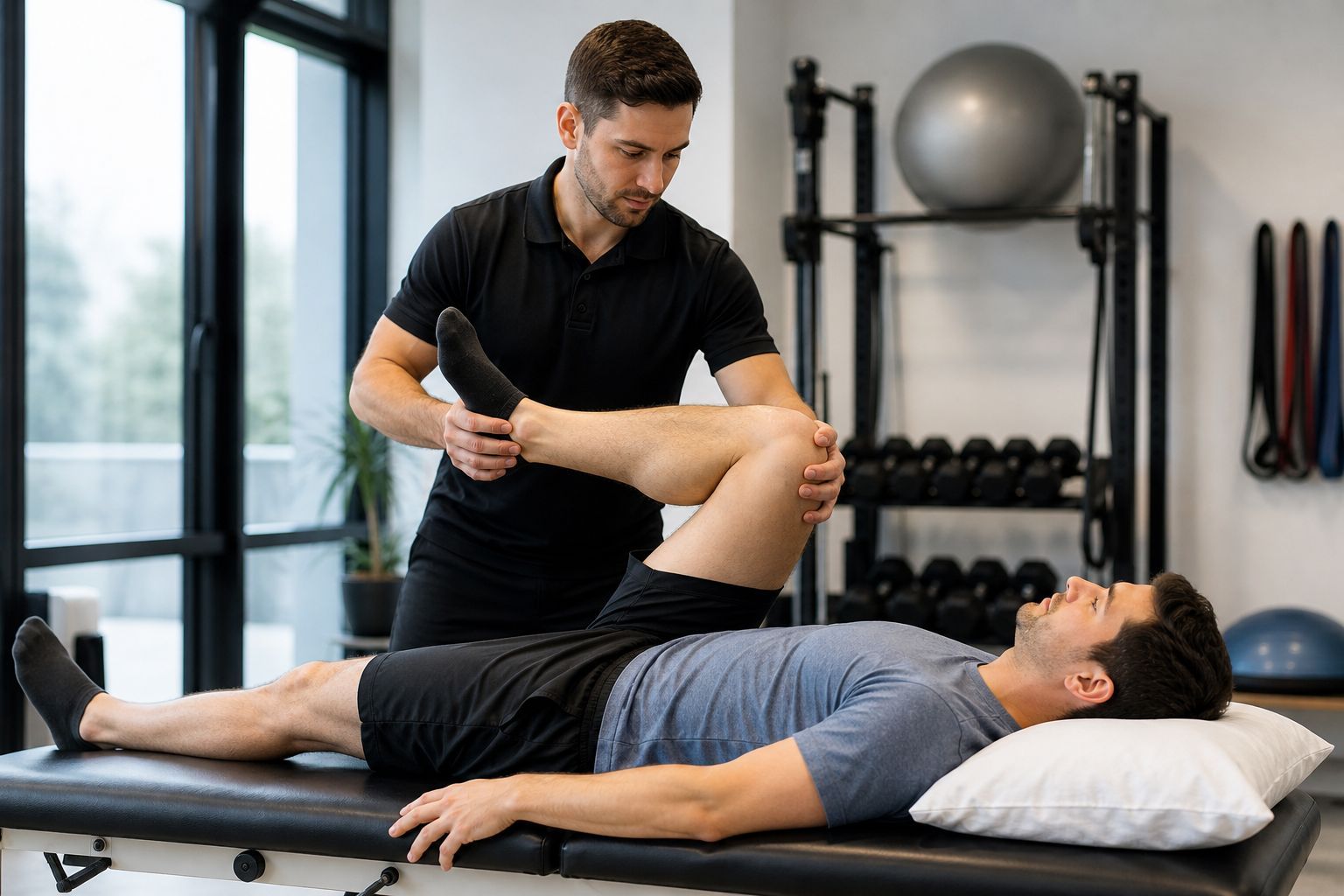
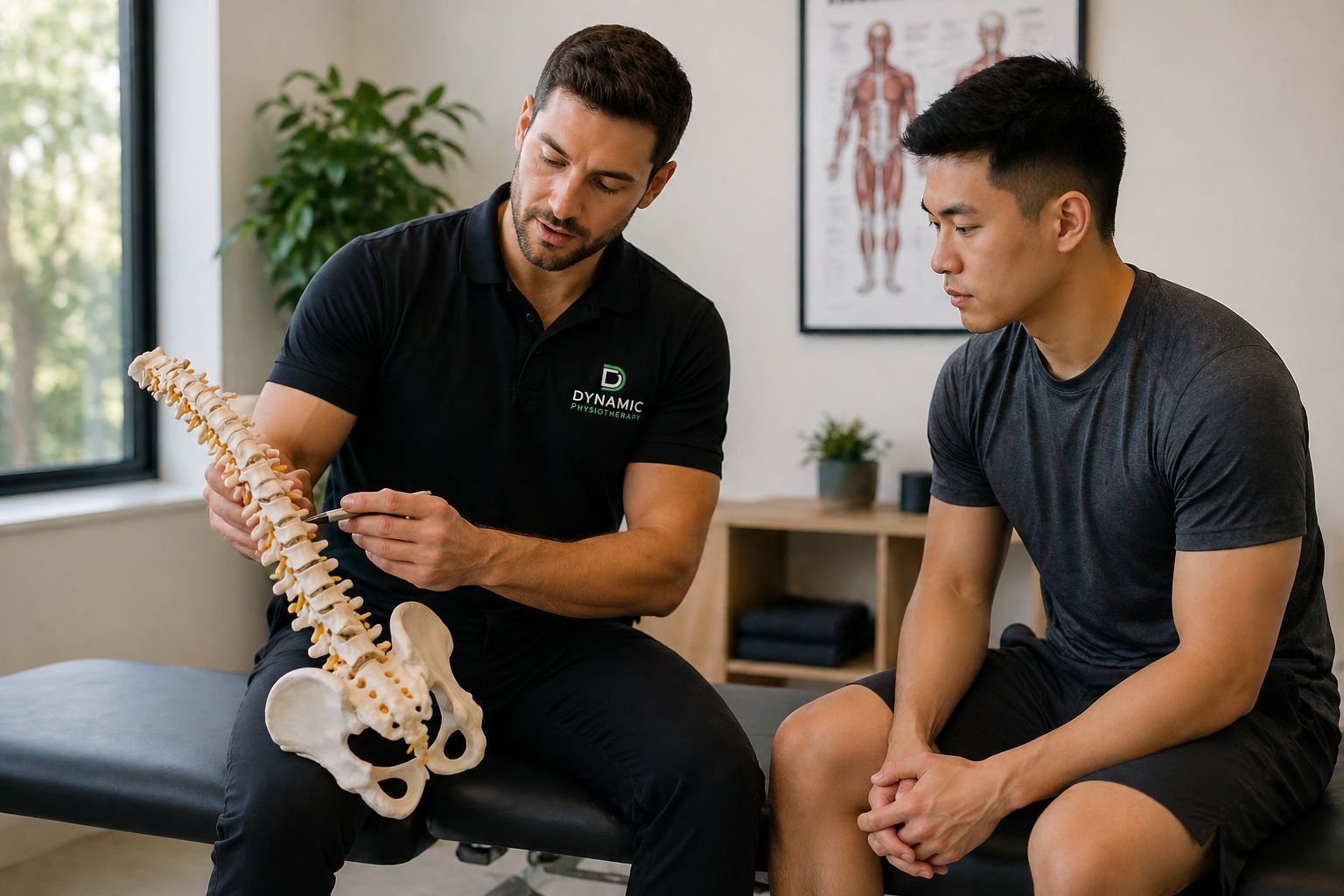
This is why a proper physiotherapy assessment is important. The goal is not only to find where the pain is felt, but also to understand what may be contributing to it. A patient may feel pain in the lower back, but the underlying issue could involve reduced hip mobility, weak core support, poor movement control, prolonged sitting posture, repetitive lifting, or irritation around the lower spine.
Why Lower Back Pain Improves and Then Comes Back
Temporary relief can happen when inflammation settles, muscles relax, or activity is reduced. However, if the underlying movement problem has not been addressed, pain may return once the body is challenged again.
Lower back pain may come back after:
- Sitting for long periods
- Bending forward
- Lifting at work or home
- Driving
- Returning to exercise
- Sleeping in certain positions
- Standing or walking for extended periods
- Repeating the same movement pattern
- Poor recovery after a previous injury
If the spine, hips, and supporting muscles are not moving or working properly together, the lower back may continue to absorb too much stress.
When Lower Back Pain Travels Into the Leg
Lower back pain can sometimes be connected to symptoms that travel into the buttock, hip, thigh, calf, or foot. This may include pain, numbness, tingling, burning, or weakness. These symptoms may be related to sciatic nerve irritation or another lower back condition affecting the nerves.
Sciatica can feel different from general lower back tightness because the symptoms may travel away from the back and into the leg. A physiotherapy assessment can help determine whether the symptoms are mainly muscular, joint-related, nerve-related, or connected to movement and posture.
If someone experiences severe or worsening leg weakness, loss of bladder or bowel control, or numbness in the groin/saddle area, they should seek urgent medical attention.
How Physiotherapy Helps Lower Back Pain
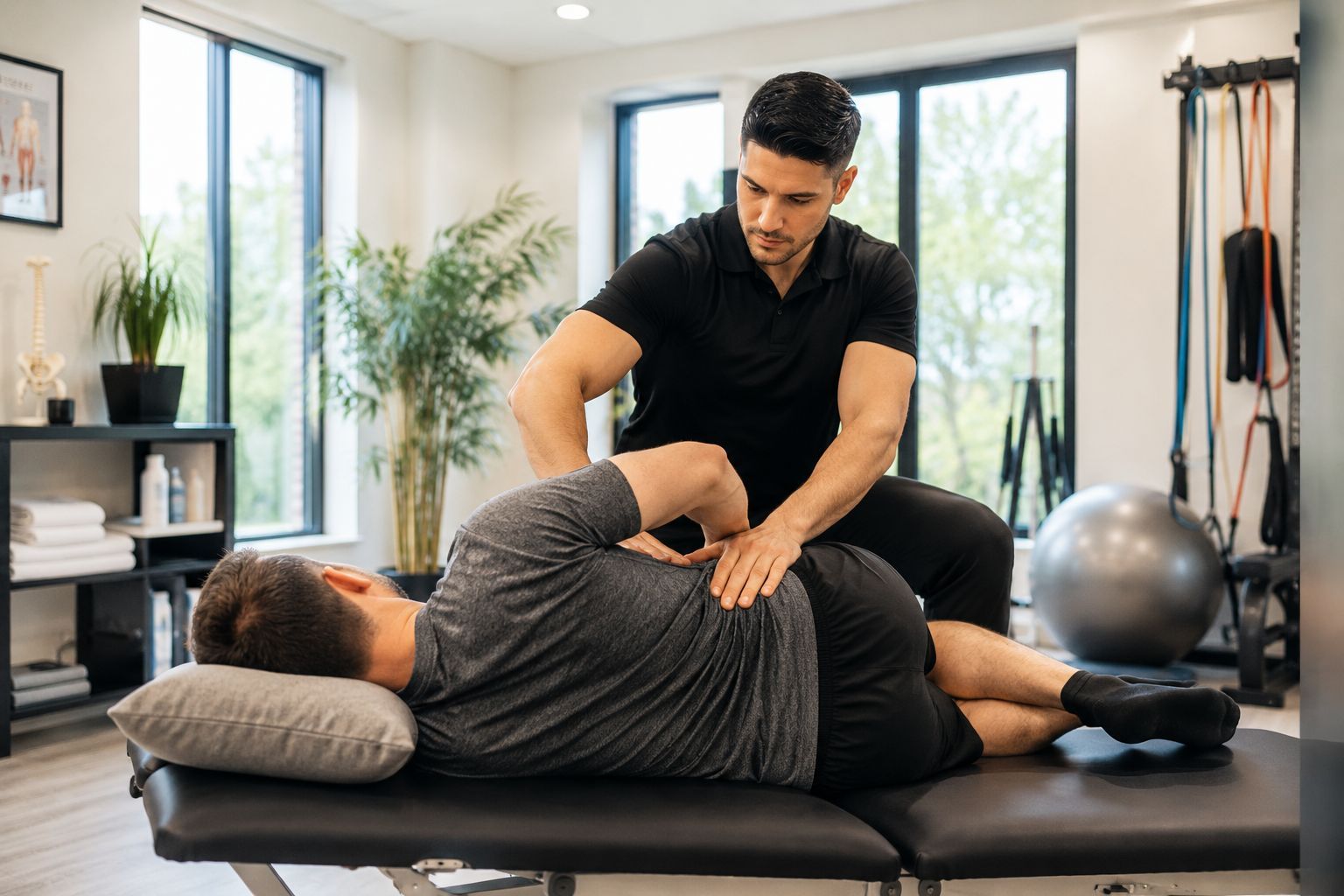
Physiotherapy for lower back pain focuses on improving movement, reducing irritation, restoring strength, and helping the body tolerate daily activities more safely. Treatment is based on the patient’s symptoms, history, mobility, activity level, and recovery goals.
A physiotherapy treatment plan may include:
- Mobility assessment
- Manual therapy
- Soft tissue treatment
- Guided stretching
- Strengthening exercises
- Core stability training
- Posture and movement education
- Functional rehabilitation
- Return-to-activity planning
The goal is not only to reduce pain, but to help patients move better and reduce the chance of recurring flare-ups. For many patients, personalized strengthening exercises and guided rehabilitation are important parts of improving movement, building support around the spine, and reducing the chance of recurring lower back pain.
Why Exercise Rehabilitation Matters
Exercise rehabilitation is an important part of long-term lower back pain recovery. When pain keeps returning, the body may need better strength, control, endurance, and movement confidence.
A guided exercise program can help improve how the spine, hips, pelvis, and core muscles work together. This can make daily movement such as bending, lifting, walking, sitting, and exercising feel more stable and less restricted.
At Dynamic Physiotherapy, exercise rehabilitation is personalized to the patient. The right exercises depend on the cause of the symptoms, the stage of recovery, and what the patient needs to return to safely.
Treatment May Also Include Supportive Therapies
Depending on the condition, lower back pain rehabilitation may also include supportive treatments such as myofascial release, shockwave therapy, or chronic pain management strategies. These may be recommended when soft tissue tightness, recurring pain, mobility restriction, or longer-term symptoms are contributing to the problem.
When Should You Book a Physiotherapy Assessment?
You may benefit from a physiotherapy assessment if your lower back pain:
- Keeps coming back
- Worsens after sitting, bending, or lifting
- Travels into the hip, buttock, or leg
- Limits work, exercise, or daily activity
- Causes stiffness in the morning
- Has not fully improved with rest
- Returns after temporary treatment
- Affects your confidence with movement
A proper assessment can help identify the cause of the problem and guide a treatment plan focused on recovery, mobility, and long-term function.
Lower Back Pain Treatment in Mississauga
Dynamic Physiotherapy & Sports Injury Clinic provides physiotherapy rehabilitation in Mississauga for lower back pain, sciatica, sports injuries, mobility issues, and recurring pain conditions. Our team focuses on personalized assessment, movement-based rehabilitation, and treatment plans designed around each patient’s symptoms and goals.
If lower back pain is affecting how you sit, bend, lift, walk, work, or exercise, booking an assessment is the best first step.
Book a physiotherapy assessment at Dynamic Physiotherapy & Sports Injury Clinic in Mississauga and start a personalized rehabilitation plan focused on improving movement, reducing pain, and supporting long-term recovery.
SHARE POST:
Leave a Comment:
Our Recent Post:



Contact Dynamic Physiotherapy & Sports Injury in Mississauga
For expert care and rehabilitation, contact Dynamic Physiotherapy & Sports Injury in Mississauga. Our dedicated team is ready to help you recover and achieve your health goals.