The Website Store • November 4, 2025
Scar Tissue & Adhesion Treatment in Physiotherapy: Why It Matters & How We Help
Scar tissue is a natural outcome of healing after an injury or surgery. Over time, your body lays down collagen fibers to repair damaged tissues. However, when those fibers form in disorganized or dense patterns, a scar or adhesion can limit mobility, cause pain, and interfere with normal function. In Mississauga, many people underestimate how much these internal restrictions can affect their daily lives. At Dynamic Physiotherapy, we focus on scar tissue and adhesion treatment through targeted physiotherapy, helping patients reclaim movement, reduce discomfort, and restore optimal function.
When scar tissue develops, it often lacks the pliability and structure of healthy tissue. As part of the remodeling process, collagen fibers may align across adjacent layers of soft tissue—skin, fascia, muscle—creating adhesions that restrict sliding and movement. These restrictions can lead to stiffness, localized pain, and compensatory movement patterns that strain nearby structures. Early intervention and guided treatment are essential to managing scar remodeling and minimizing long-term limitations.
Physiotherapy techniques targeting scar tissue and adhesions include manual therapy, soft tissue mobilization, and specialized approaches such as instrument-assisted mobilization and controlled loading. Manual therapy such as scar massage, cross-friction mobilization, and myofascial release helps apply mechanical forces to the tissue, loosening adhesion and improving tissue glide. Studies on manual scar therapy show that it can positively influence pain, pliability, thickness, and appearance of scars. The physical therapy field recognizes scar management as an important component of rehabilitation that can improve functional outcomes.
In clinical practice, our approach always begins with a thorough assessment. We examine the scar or adhesion region for sensitivity, skin mobility, how the scar affects range of motion, and whether nerves or soft tissues nearby are involved. We also evaluate posture, movement mechanics, and compensations that may have developed. This comprehensive view helps us understand whether the scar is a primary source of limitation or part of a broader dysfunction. Treatment is then carefully matched to the patient’s healing stage, tolerance, and goals.
Scar tissue physiotherapy often begins with gentle soft tissue mobilization and progresses as the tissue adapts. We may use manual techniques to release superficial restrictions and gradually move into deeper mobilization. Instrument-assisted approaches such as IASTM (Instrument Assisted Soft Tissue Mobilization) can help apply controlled mechanical input to break down tougher adhesions and stimulate blood flow. Modalities like therapeutic ultrasound may assist by heating deeper tissues, improving circulation, and making collagen more responsive to intervention. Patients frequently report improved tissue mobility, less tightness, and better movement after a few sessions.
Movement and loading are essential components of effective scar treatment. After initial mobilization, we guide patients through exercises that load the tissues in functional patterns. Stretching, eccentric loading, neuromuscular retraining, and progressive strengthening help remodel scar tissue in more organized, aligned ways rather than allowing it to remain rigid and random. This approach also reduces compensatory patterns by encouraging balanced movement throughout the kinetic chain.
Nerve adhesions are an important consideration in scar treatment. When nerves become entrapped or tethered within adhesive tissue, patients may experience tingling, numbness, or burning sensations. Techniques to release nerve mobility—such as nerve gliding, gentle mobilization, and neural tissue release—help restore sliding interfaces and reduce irritability. This must be done carefully to avoid overstretching or aggravating sensitive structures.
Timing of intervention is another critical factor. Scar remodeling occurs over many months, and the early phases (around the first year) are generally more responsive to intervention. Intervening during these periods allows for more effective guidance of collagen orientation. However, even mature scars can show improvements when treated gradually and thoughtfully. Research supports that physical management of scars, including manual therapy and modalities, can yield moderate to strong effects on symptoms and function.
In cases such as arthrofibrosis, where excessive scar formation occurs in joints after injury or surgery, dedicated programs to address joint and soft tissue restrictions are essential. Without intervention, joint stiffness and pain may persist despite standard rehabilitation. Comprehensive scar and adhesion work helps break through restrictive tissue and restore mobility. By combining manual therapy, joint mobilization, and movement in a structured program, we help patients overcome these more challenging presentations.
At Dynamic Physiotherapy in Mississauga, our scar treatment philosophy is founded on integration, progression, and patient education. We prioritize symptom monitoring and gradual tissue adaptation. Every plan is customized to match the patient’s healing status, tissue sensitivity, and functional goals. We teach self-mobilization techniques, stretching protocols, scar massage, and movement strategies to support gains between sessions. We aim to make healing collaborative, empowering patients to participate actively in their recovery.
If you are experiencing pain, stiffness, or movement limitations around a scar, or suspect that adhesion is restricting your mobility, don’t wait for symptoms to worsen. Scar tissue physiotherapy in Mississauga can transform restrictive scars into functional tissue again. Call us today at (905) 273-5433 or visit our site at www.dynamicphysiotherapy.ca to schedule your scar and adhesion assessment and begin your path toward better movement and comfort.
SHARE POST:
Leave a Comment:
Our Recent Post:
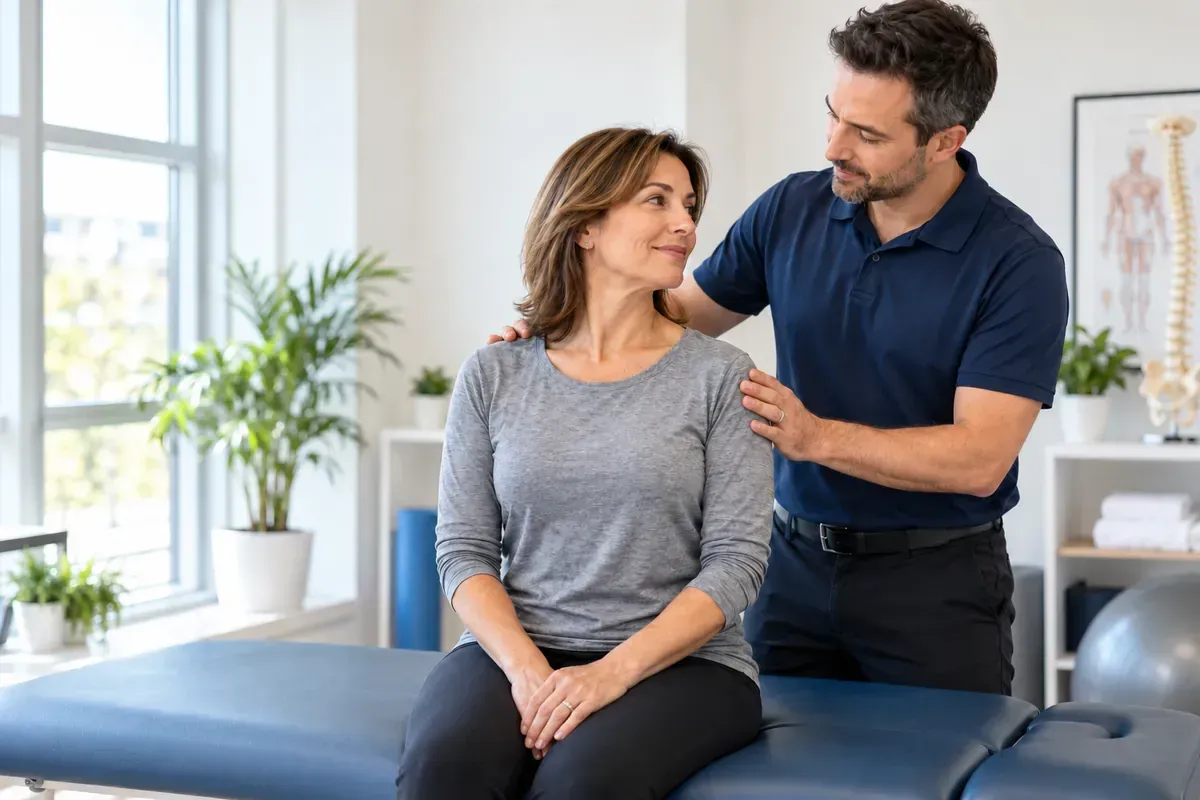
Neck stiffness at your desk or while driving? Dynamic Physiotherapy in Mississauga offers hands-on care and guided exercises. Request an appointment.
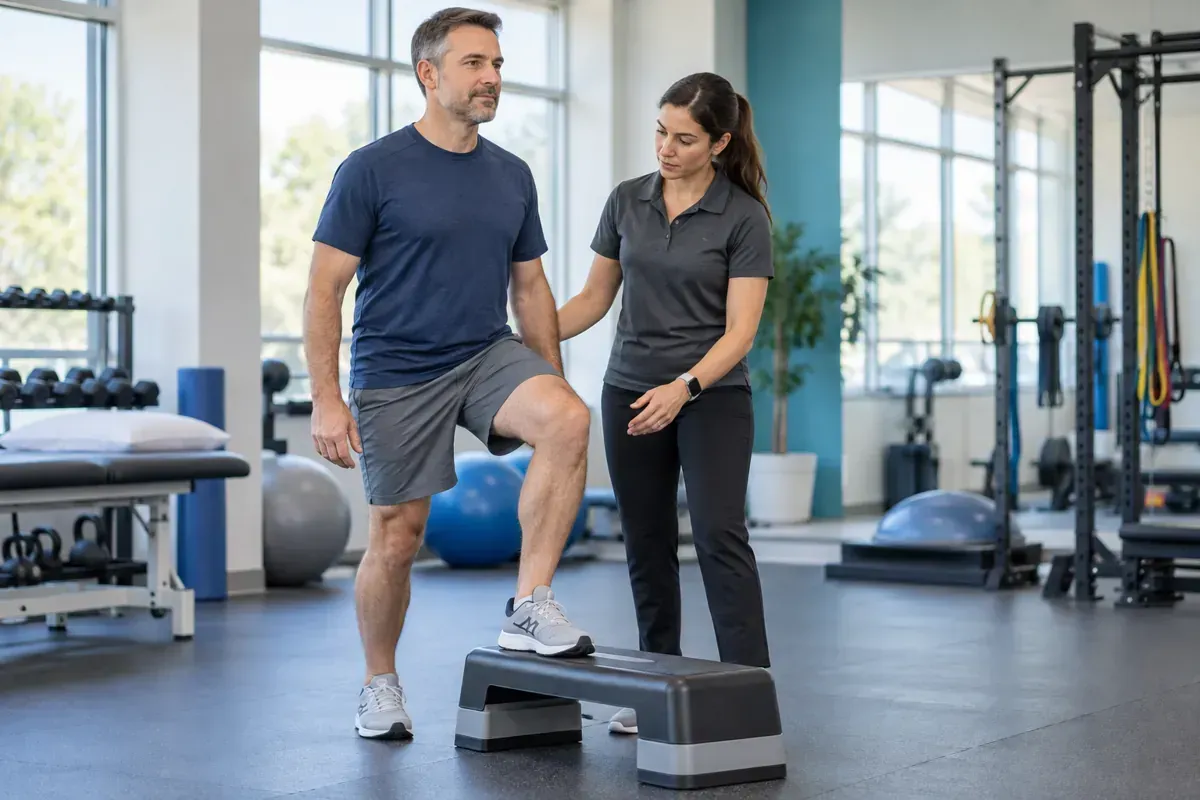
Returning to exercise after an injury? Learn how physiotherapy in Mississauga supports strength, mobility and a gradual return to activity.
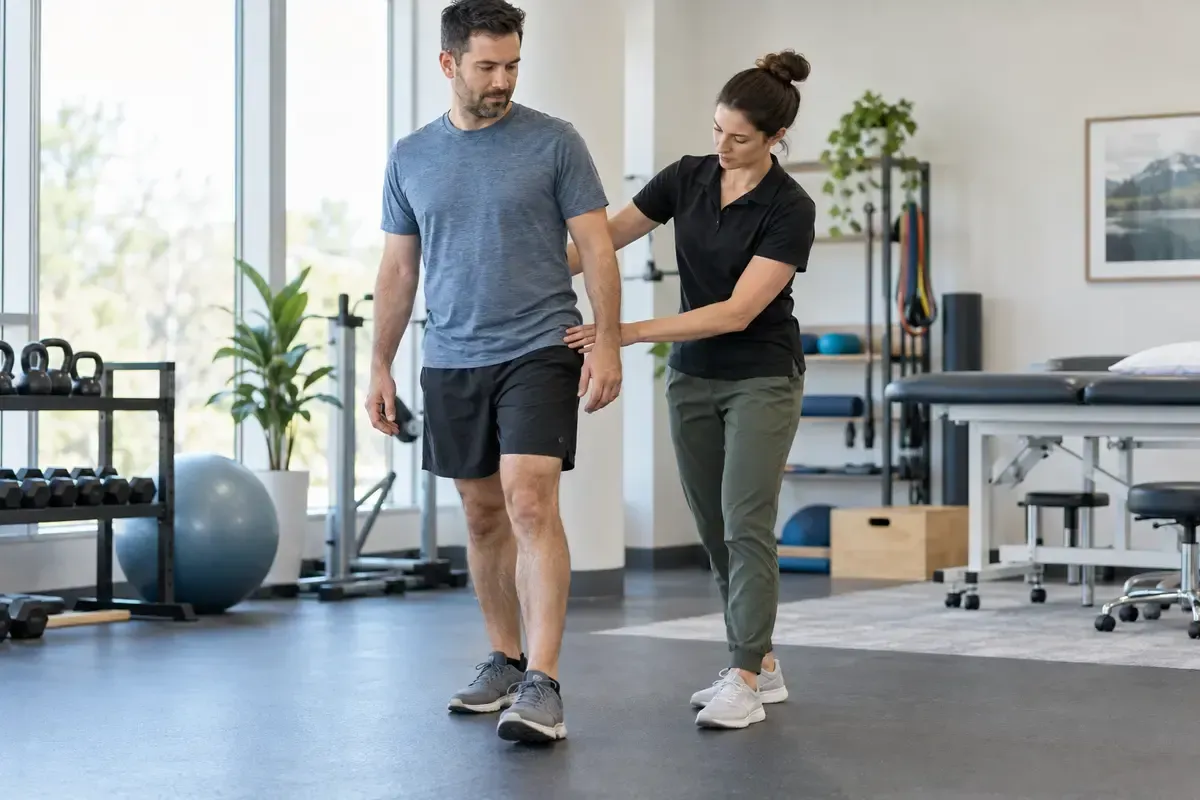
Learn why hip pain may affect walking and standing and how physiotherapy assessment in Mississauga examines mobility, strength and movement control.
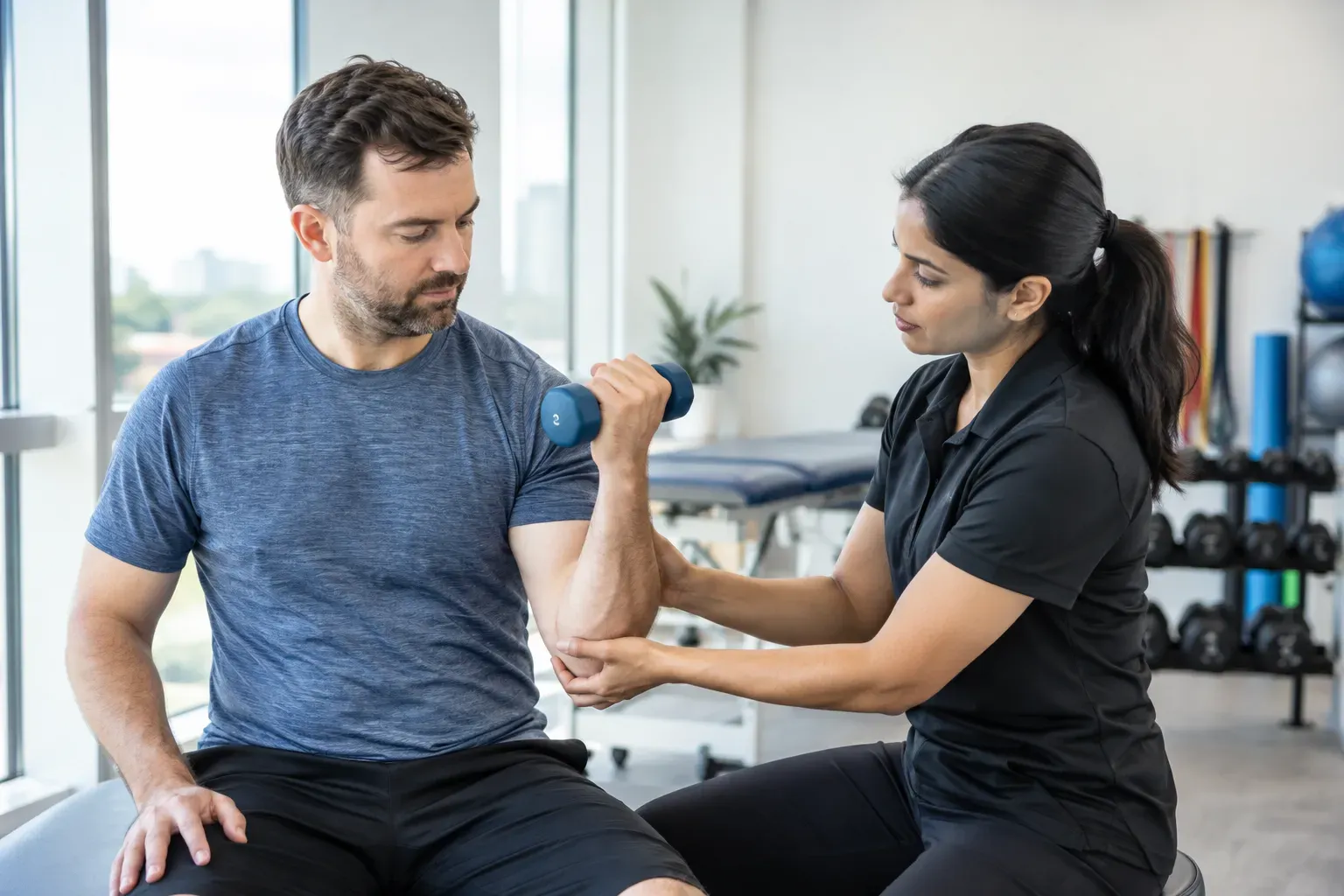
Learn why elbow pain may persist during gripping and lifting, what physiotherapy assessment examines, and how rehabilitation may support recovery.
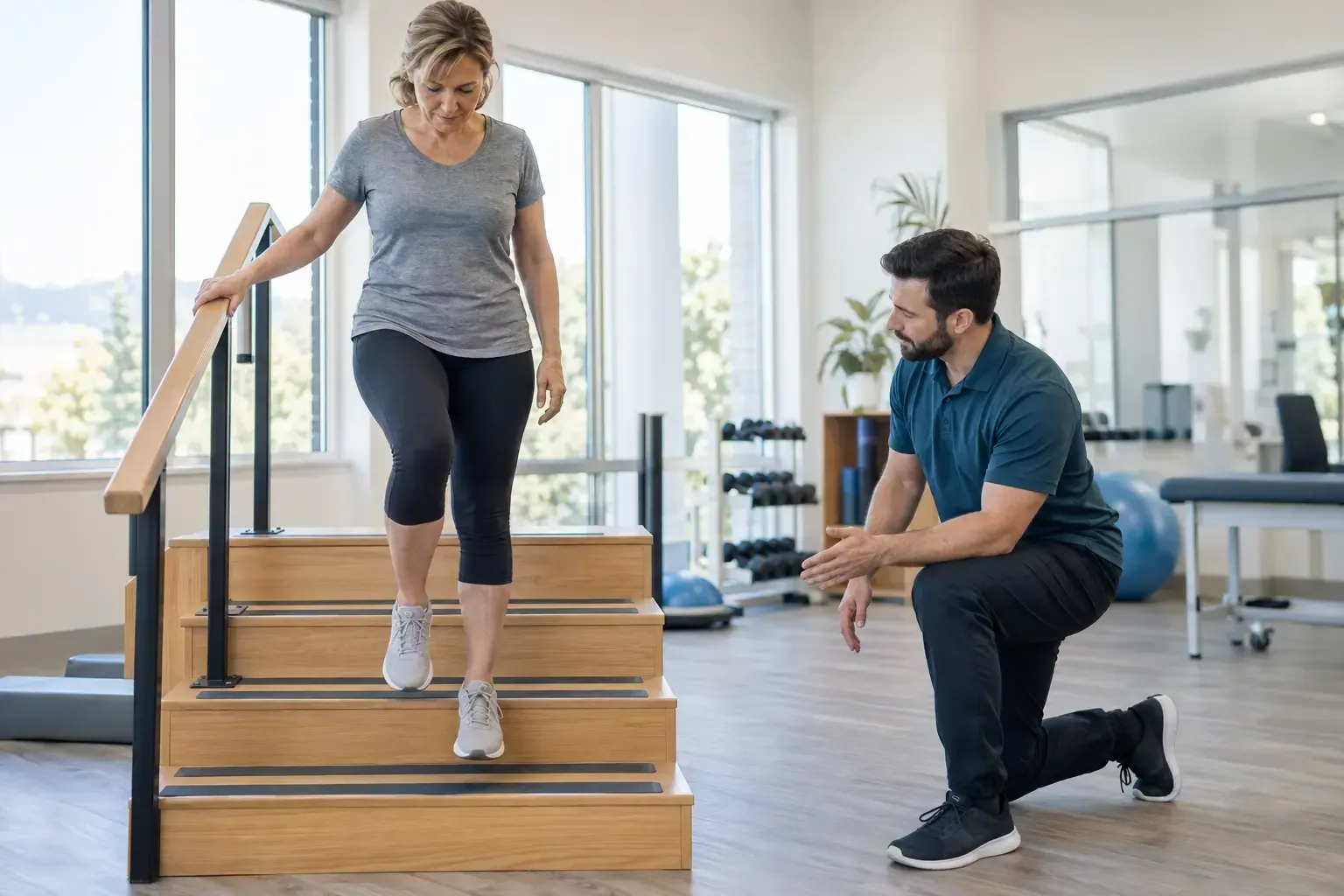
Learn why knee pain may worsen on stairs and how physiotherapy assessment in Mississauga examines strength, mobility and movement control.
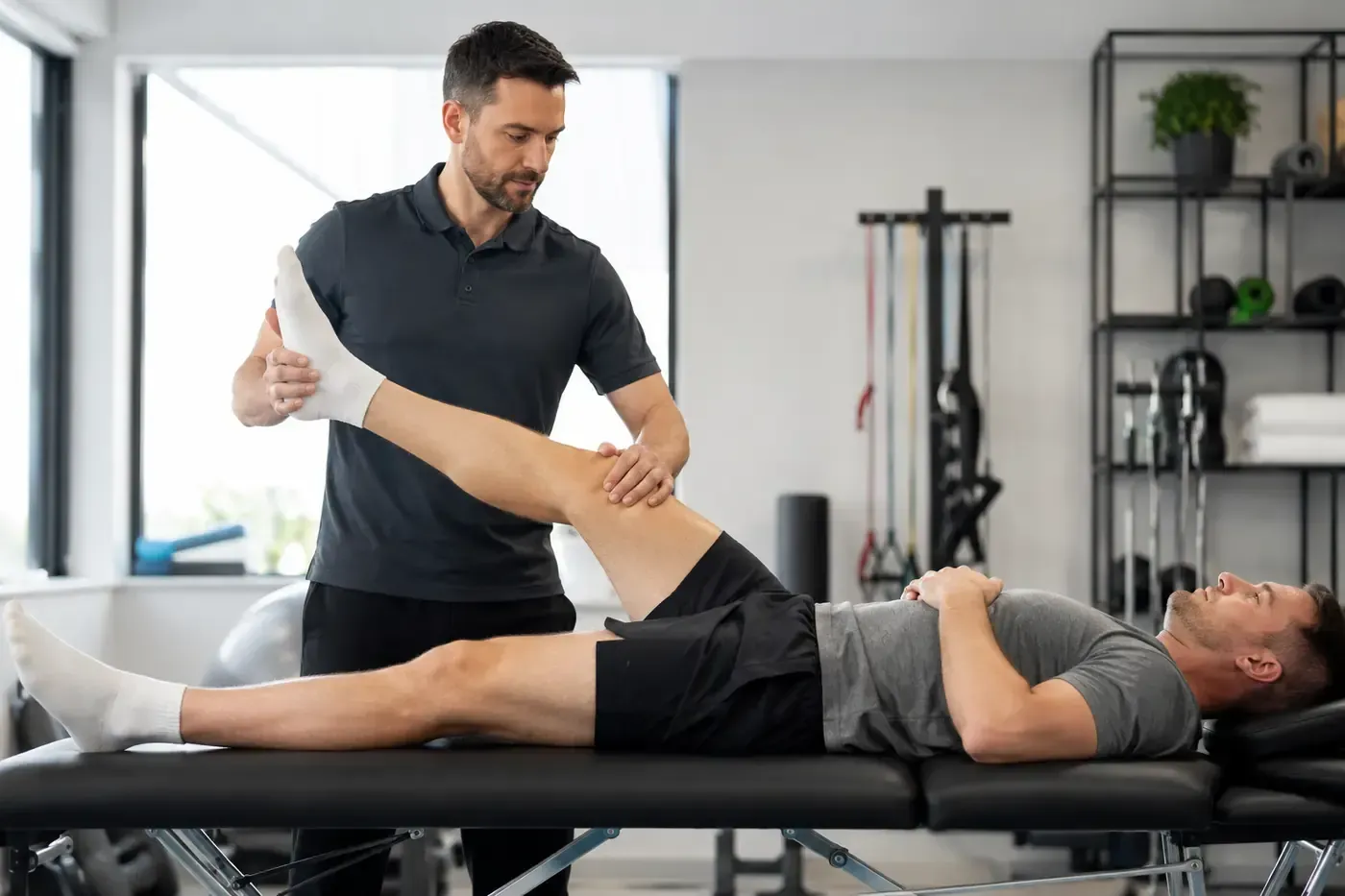
Learn why sciatica symptoms may travel from the lower back into the leg and how physiotherapy assessment in Mississauga can guide rehabilitation.
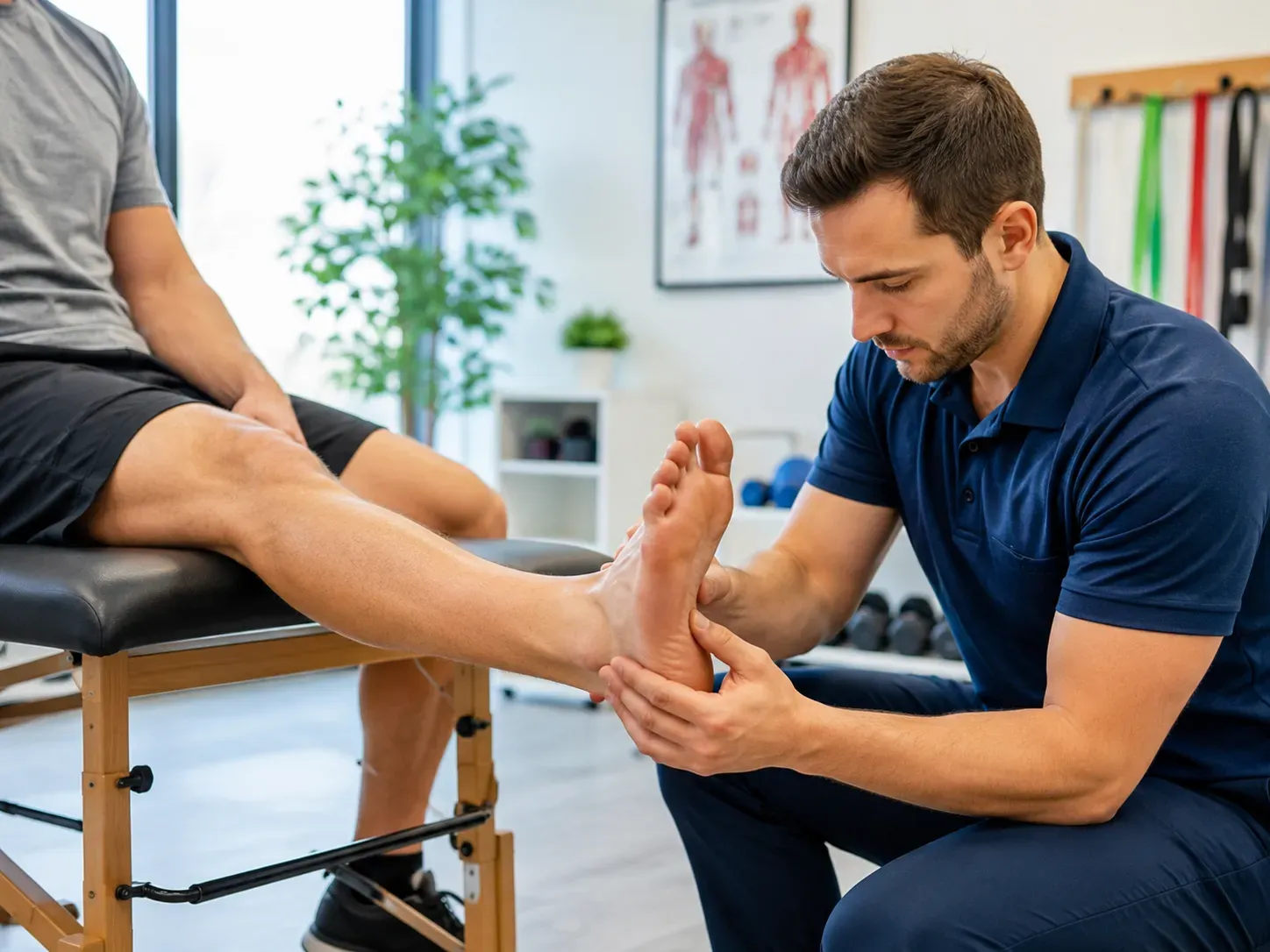
Learn why plantar fasciitis and heel pain can keep returning and how physiotherapy, Shockwave Therapy, exercise and foot support may help recovery.
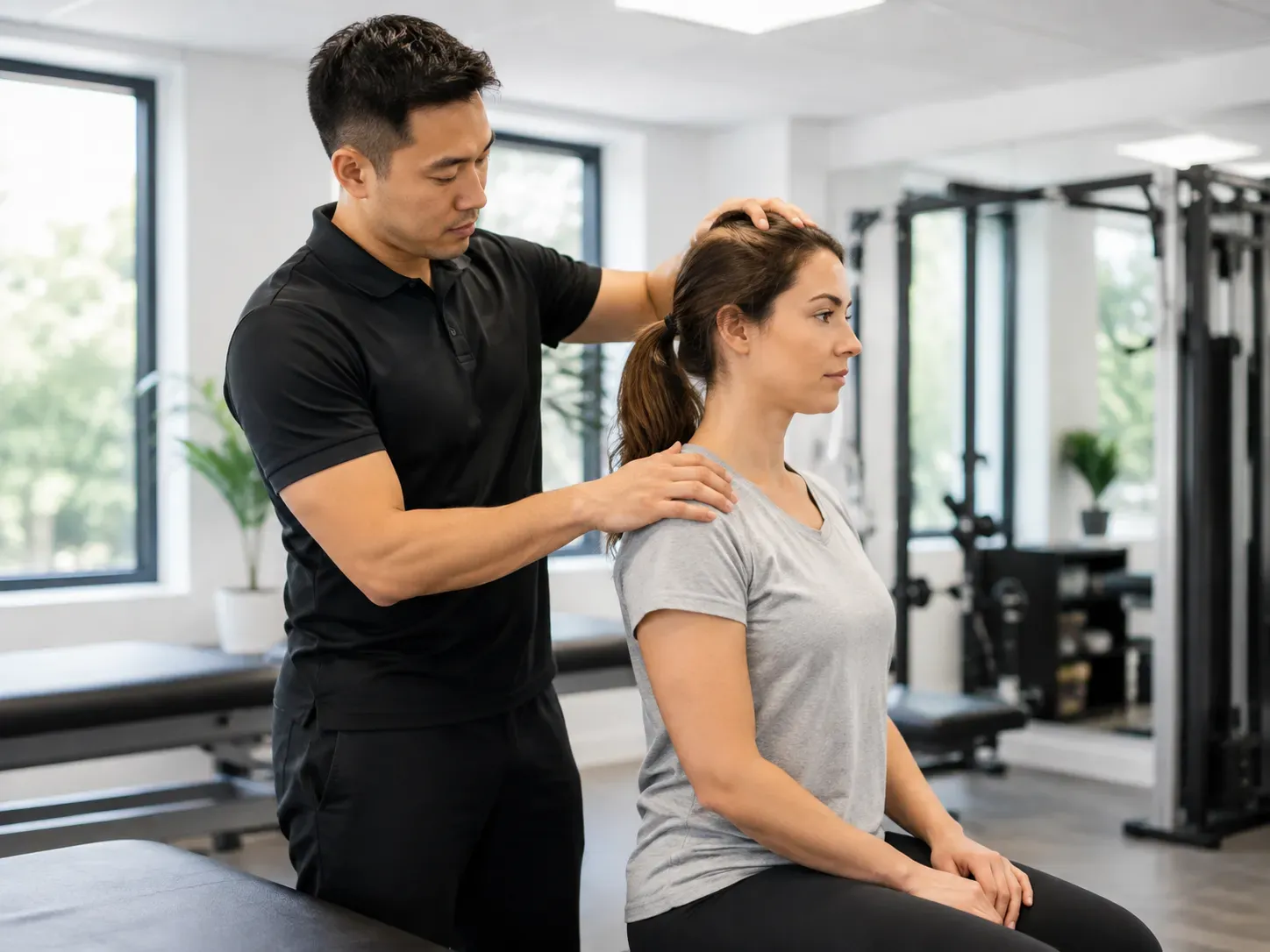
Learn how neck and shoulder pain can be connected through posture, mobility, muscle tension and movement patterns, and how physiotherapy assessment may help.

Contact Dynamic Physiotherapy & Sports Injury in Mississauga
For expert care and rehabilitation, contact Dynamic Physiotherapy & Sports Injury in Mississauga. Our dedicated team is ready to help you recover and achieve your health goals.