Robert Wodz • May 15, 2025

What is Prehab_ How Pre-Surgical Physiotherapy Prepares You for Better Recovery


What is Prehab and Why Does It Matter?

Most people know they need physiotherapy after surgery, but few are told how important it is to
prepare the body before the procedure even happens. Pre-surgical physiotherapy, also
known as prehab, is a proactive approach to recovery that involves strengthening, mobilizing,
and educating patients before surgery to improve post-operative results. At Dynamic
Physiotherapy in Mississauga, we offer prehab programs specifically designed to help
patients enter surgery stronger, more flexible, and better prepared—so they can bounce back
faster with fewer complications.

Whether you're preparing for joint replacement surgery (hip, knee, or shoulder), spinal
surgery, or abdominal procedures, physiotherapy before surgery can significantly reduce
pain, shorten hospital stays, and accelerate your return to normal activities.

How Prehab Helps Your Body Prepare for Surgery

Surgery places stress on the body, and recovery can be significantly influenced by your
strength, mobility, and overall health going in. Pre-surgical physiotherapy Mississauga
programs at our clinic are built to:
✔ Improve strength and endurance in the affected and supporting areas
✔ Enhance joint mobility and range of motion
✔ Address imbalances and poor movement patterns that may slow recovery
✔ Reduce pre-existing pain or inflammation
✔ Educate you on post-op mobility and exercises
✔ Mentally prepare you for what to expect after surgery

By building a stronger foundation beforehand, your body is more resilient and better equipped to
recover. Research shows that patients who complete prehab often regain function more quickly,
use less pain medication post-op, and experience fewer complications than those who don’t.

Who Should Consider Pre-Surgical Physiotherapy?

Prehab isn’t just for athletes—it’s for anyone planning surgery, including:
🏥 Patients undergoing total hip or knee replacements
🏥 Individuals preparing for rotator cuff or shoulder stabilization surgeries
🏥 People booked for lumbar fusion, spinal decompression, or discectomy
🏥 Clients awaiting abdominal or pelvic floor surgeries
🏥 Older adults looking to reduce risks of falls and improve post-op independence

Even if your surgery date is only a few weeks away, starting prehab now can make a
noticeable difference.

What Happens in a Prehab Program at Dynamic Physiotherapy
Mississauga?

At Dynamic Physiotherapy, we begin your pre-surgical physiotherapy with a comprehensive
assessment of your current function, strength, flexibility, and mobility. From there, we create a
personalized plan that includes:

🔹 Mobility Exercises: To improve joint range and reduce stiffness.
🔹 Strength Training: Focused on the muscles around the surgical site and the supporting
regions like the core and glutes.
🔹 Pain Management Techniques: To address any inflammation or dysfunction already
present.
🔹 Breathing and Circulation Support: Helping to prevent post-op complications like
pneumonia or DVT.
🔹 Education and Movement Planning: Teaching you how to use assistive devices (if
needed), how to transfer safely, and how to protect your surgical site.

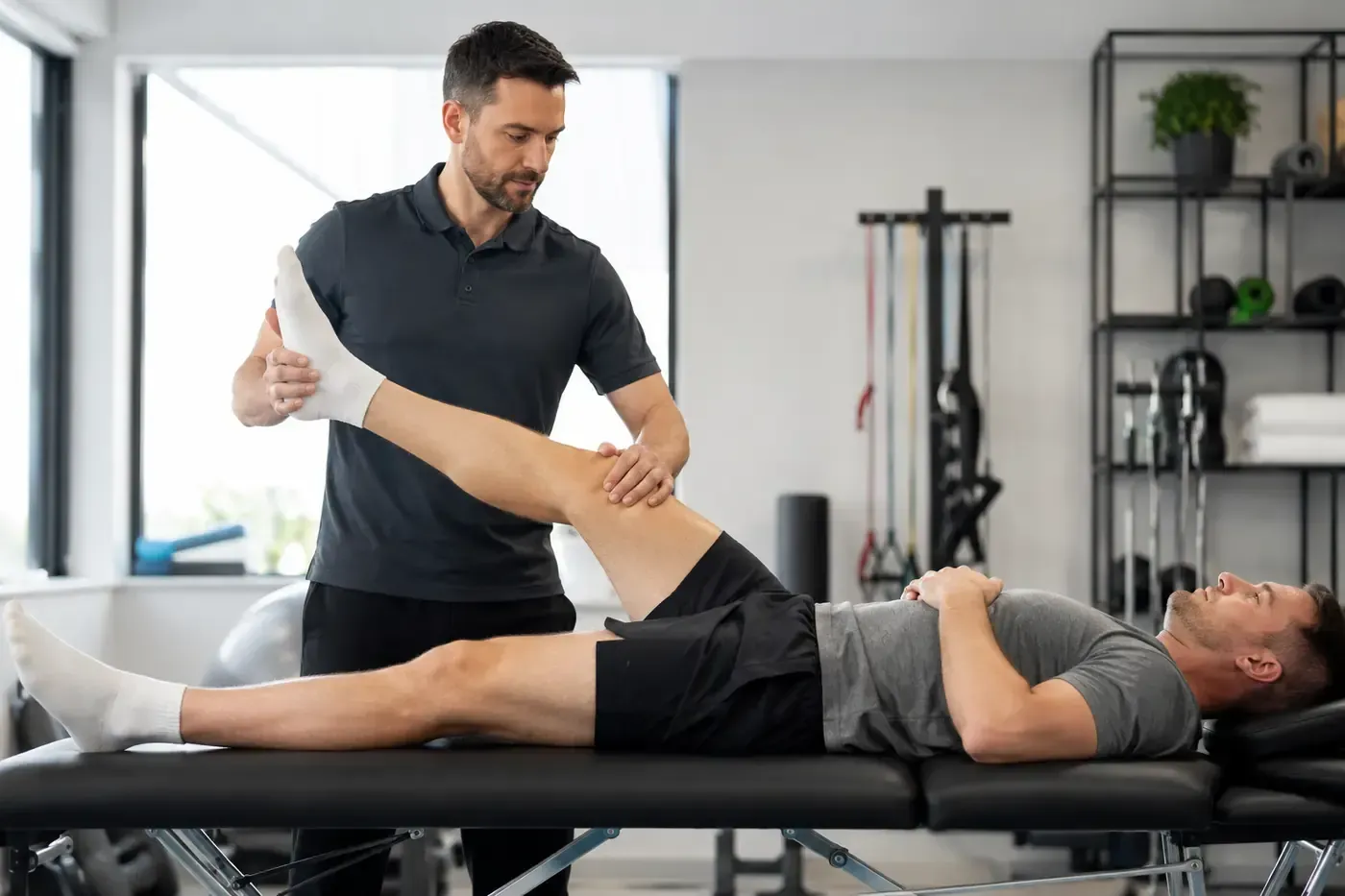
For example, someone preparing for knee replacement may work on quadriceps strength, hip
stability, gait retraining, and swelling control—all before going into surgery. Patients consistently
report that this makes the first days after surgery less overwhelming and speeds up their
functional milestones like walking, stair climbing, and dressing.

The Mental and Emotional Benefits of Prehab

Going into surgery can be stressful, and uncertainty about recovery often adds to the anxiety.
Prehab reduces that fear by helping patients feel prepared, confident, and in control of their
body. When you already know how to perform basic mobility tasks like getting out of bed or
using crutches, you eliminate a major barrier to progress.

At Dynamic Physiotherapy in Mississauga, our therapists offer not just physical
guidance—but also emotional reassurance. We explain what to expect after surgery, answer
your questions, and help you feel empowered throughout the process.

Prehab vs. Post-Op Rehab: Why You Need Both

While post-surgical physiotherapy is essential, it often begins when you’re already in pain,
stiff, and deconditioned from the procedure. Prehab gives you a head start, making post-op
rehab easier, less painful, and more productive. It's not an either-or situation—it’s a two-phase
strategy for success.

Real Results from Pre-Surgical Physiotherapy

📌 Hip & Knee Replacements: Patients who complete prehab walk sooner, climb stairs faster,
and report less pain weeks after surgery.
📌 Spinal Surgery: Prehab reduces recovery times and improves posture, gait, and pain
control after procedures like laminectomy or fusion.
📌 Rotator Cuff Repair: Clients with stronger shoulder and scapular muscles regain function
faster post-op.
📌 Pelvic or Abdominal Surgery: Prehab improves core stability, bladder control, and helps
avoid long-term weakness or prolapse symptoms.

Why Choose Dynamic Physiotherapy for Prehab in Mississauga?

✔ Tailored Programs for Your Surgery Type
✔ Coordination with Your Surgeon’s Timeline
✔ Private, One-on-One Care
✔ Friendly and Experienced Staff
✔ Convenient Scheduling Options

We work closely with you—and your medical team if needed—to ensure a seamless transition
into and out of surgery. Whether you’re weeks or months away from your procedure, we’ll guide
you every step of the way.

Ready to Start Strong and Recover Faster?

Don’t wait until after your surgery to get help—start preparing today with pre-surgical
physiotherapy Mississauga patients trust for lasting results. At Dynamic Physiotherapy, we’ll
help you walk into surgery stronger and more confident—and recover on the other side with
greater ease and less pain.

📞 Call us now at (905) 273-5433 to book your prehab consultation or visit
www.dynamicphysiotherapy.ca to request an appointment online.

The better prepared your body is, the better it heals. Let’s get you ready to recover—together.

SHARE POST:


Leave a Comment:

Our Recent Post:

Physiotherapy treatment in Mississauga helping relieve recurring pain & improve mobility at Dynamic
By Robert Wodz April 9, 2026
Tired of recurring pain? Discover why pain keeps coming back and how physiotherapy in Mississauga can treat the root cause for long-term relief.
Physiotherapy treatment for lower back and joint pain relief at Dynamic Physiotherapy Mississauga
By Robert Wodz April 4, 2026
Struggling with pain that keeps coming back? Learn why it happens and how physiotherapy can help you recover properly and prevent it from returning.
Physiotherapy assessment in Mississauga evaluating movement, posture, and injury causes
By Robert Wodz March 28, 2026
Proper physiotherapy assessment in Mississauga ensures accurate diagnosis and better treatment results. Learn why evaluation is essential before treatment begins.
Physiotherapy assessment in Mississauga before starting treatment
By Robert Wodz March 21, 2026
Physiotherapy in Mississauga should start with proper assessment. Learn why correct diagnosis matters before treatment at Dynamic Physiotherapy Clinic.
March 3, 2026
Living with chronic pain can be exhausting, frustrating, and isolating. For many people, pain becomes part of daily life despite trying rest, medications, injections, or short-term treatments that only provide temporary relief. Chronic pain is not simply an ongoing injury that has failed to heal. It is often the result of complex changes in the way the body moves, the way tissues adapt to stress, and how the nervous system processes pain. Physiotherapy plays a critical role in addressing chronic pain by focusing on the root causes rather than just managing symptoms. At Dynamic Physiotherapy in Mississauga, our approach to chronic pain is structured, evidence-based, and designed to help people regain control over their bodies and their lives. Chronic pain is typically defined as pain that persists for longer than three months. It may begin with an injury, surgery, repetitive strain, or prolonged stress on the body, but over time it can exist even after the original tissue damage has healed. This is one reason why traditional treatments often fail. Rest alone can lead to stiffness and weakness. Pain medications may dull symptoms without addressing movement dysfunction. Injections may provide temporary relief but do not retrain the body to move efficiently. Physiotherapy takes a different approach by examining how pain has altered movement patterns, muscle activation, posture, and joint mechanics over time. One of the most common reasons chronic pain persists is compensation. When pain first appears, the body instinctively adapts to protect the affected area. Muscles tighten, movement becomes guarded, and other joints or muscle groups take on extra workload. While this is helpful in the short term, prolonged compensation leads to imbalance, weakness, and further strain. Over time, pain spreads or returns even after the initial injury seems resolved. Physiotherapy identifies these compensatory patterns and gradually retrains the body to move more efficiently and safely. Another factor in chronic pain is reduced tissue tolerance. When joints and muscles are not exposed to regular, progressive movement, they lose strength, flexibility, and resilience. This can make everyday activities feel painful or overwhelming. Physiotherapy restores tissue capacity through controlled, guided loading. Exercises are introduced gradually and tailored to the individual so the body learns to tolerate movement again without flare-ups. This process rebuilds confidence and reduces fear of movement, which is a major barrier for people living with chronic pain. At Dynamic Physiotherapy in Mississauga, chronic pain treatment begins with a detailed assessment. We take the time to understand your pain history, previous treatments, lifestyle demands, work environment, and activity levels. We assess posture, joint mobility, muscle strength, coordination, and movement patterns to identify what is contributing to ongoing discomfort. Chronic pain rarely has a single cause, which is why a thorough and individualized assessment is essential. Manual therapy is often an important component of chronic pain physiotherapy. Hands-on techniques help reduce muscle tension, improve joint mobility, and restore movement in areas that have become stiff or restricted over time. This can improve comfort and allow patients to engage more effectively in active rehabilitation. Manual therapy is not a standalone solution but a tool used alongside exercise and movement retraining to support long-term improvement. Therapeutic exercise is the foundation of lasting chronic pain relief. Exercises are selected based on the individual’s needs and progressed gradually to avoid flare-ups. This may include strengthening weak muscles, improving core stability, restoring joint range of motion, and retraining movement patterns that reduce stress on painful areas. Education plays a major role here. Understanding why certain exercises are prescribed and how they support recovery helps patients feel empowered rather than discouraged. Chronic pain also involves changes in the nervous system. When pain signals persist for long periods, the nervous system can become overly sensitive, responding to normal movement or pressure as if it were a threat. Physiotherapy helps calm this heightened response through graded exposure to movement, controlled loading, and consistent positive experiences with activity. Over time, the nervous system learns that movement is safe again, reducing pain intensity and frequency. Advanced physiotherapy modalities can also support chronic pain management when integrated appropriately. Treatments such as shockwave therapy and Electro-Acuscope microcurrent therapy may be used to address stubborn soft tissue restrictions, improve circulation, and support tissue healing. These therapies are used strategically as part of a broader plan, not as quick fixes, and are selected based on individual presentation and response to treatment. An often overlooked aspect of chronic pain is how it affects mental and emotional well-being. Long-term pain can lead to frustration, anxiety, disrupted sleep, and reduced participation in activities that bring joy. Physiotherapy supports supports both physical and emotional recovery by helping patients regain confidence in movement and rebuild a sense of control. Small improvements compound over time, restoring independence and quality of life. Physiotherapy for chronic pain is not about pushing through pain or chasing perfection. It is about creating sustainable progress. At Dynamic Physiotherapy, we focus on realistic goals, consistent improvement, and long-term strategies that patients can maintain beyond the clinic. This approach reduces reliance on passive treatments and empowers individuals to take an active role in their recovery. If you have been living with pain that does not seem to improve despite trying other treatments, physiotherapy may offer a different path forward. Chronic pain does not mean permanent pain. With the right assessment, guidance, and progressive care, meaningful change is possible. At Dynamic Physiotherapy in Mississauga, our experienced team is committed to helping you move better, feel stronger, and regain confidence in your body. Call (905) 273-5433 or visit www.dynamicphysiotherapy.ca to book a chronic pain assessment and take the first step toward lasting relief.
Physiotherapy shoulder rehabilitation in Mississauga with Shockwave Therapy
By Robert Wodz March 1, 2026
Looking for physiotherapy in Mississauga? We treat shoulder pain, sciatica, neck pain, and chronic injuries with structured rehabilitation and shockwave therapy.
February 24, 2026
When pain, stiffness, or movement issues appear, many people are unsure whether they should see a physiotherapist or a massage therapist. Both play important roles in musculoskeletal care, but they serve different purposes and are suited to different needs. Understanding the difference between physiotherapy and massage therapy can help you choose the right treatment, avoid delays in recovery, and achieve longer-lasting results. At Dynamic Physiotherapy in Mississauga, we often see patients who tried massage first and experienced temporary relief, only to find their pain returning. This blog explains why that happens and how physiotherapy differs in its approach to assessment, treatment, and long-term recovery. Massage therapy primarily focuses on soft tissue manipulation. It aims to reduce muscle tension, improve circulation, and promote relaxation. For many people, massage can be very helpful for stress relief, general muscle soreness, and short-term discomfort. It can reduce tightness and temporarily improve how the body feels. However, massage therapy does not typically assess joint mechanics, movement patterns, strength imbalances, or neurological involvement. This means that while symptoms may improve, the underlying cause of pain often remains unaddressed. Physiotherapy, on the other hand, is a regulated healthcare profession focused on diagnosing and treating movement dysfunction. Physiotherapists perform a comprehensive assessment that looks at how joints move, how muscles activate, how posture and alignment affect the body, and how injuries or pain influence movement patterns. The goal of physiotherapy is not only to reduce pain, but to restore proper function and prevent recurrence. This is why physiotherapy is often the recommended first step when pain is persistent, worsening, or related to injury. One of the biggest differences between physiotherapy and massage therapy is assessment. In physiotherapy, treatment begins with a detailed evaluation of your medical history, symptoms, movement patterns, strength, flexibility, and functional limitations. This assessment helps identify the root cause of pain rather than just the location of discomfort. For example, shoulder pain may actually be caused by poor posture, weak scapular muscles, or restricted movement in the upper back. Massage may temporarily ease shoulder tightness, but physiotherapy addresses the mechanical and functional issues that caused the pain in the first place. Treatment goals also differ significantly. Massage therapy is often passive, meaning the patient receives treatment without actively participating in the process. While this can feel relieving, it does not retrain the body. Physiotherapy is an active process. Manual therapy may be used to improve mobility and reduce pain, but it is combined with therapeutic exercise, movement retraining, and education. This active approach builds strength, improves coordination, and teaches the body how to move efficiently again, which is essential for lasting recovery. Another key distinction is how each approach handles injuries. Acute and chronic injuries require structured rehabilitation to heal properly. Physiotherapy is designed to guide tissue healing, restore range of motion, rebuild strength, and safely return individuals to work, sport, or daily activities. This includes managing load progression, preventing re-injury, and addressing compensations that develop after pain or trauma. Massage therapy does not typically include progressive rehabilitation or return-to-activity planning, which is why injuries may improve briefly but then flare up again. Pain that keeps returning is often a sign that the underlying issue has not been resolved. Many patients experience a cycle of temporary relief followed by recurrence when relying on passive treatments alone. Physiotherapy breaks this cycle by identifying why pain returns and addressing contributing factors such as poor posture, muscle imbalances, joint stiffness, or faulty movement patterns. This is especially important for conditions like lower back pain, neck pain, shoulder impingement, knee pain, and repetitive strain injuries. There are situations where massage therapy and physiotherapy work well together. Massage can be an excellent complement to physiotherapy by helping reduce muscle tension and improve comfort, allowing patients to engage more effectively in rehabilitation exercises. At Dynamic Physiotherapy in Mississauga, we may recommend massage as part of a broader treatment plan when appropriate. The key difference is that massage is used strategically rather than as a standalone solution for injury or dysfunction. Another important consideration is long-term outcomes. Physiotherapy focuses on prevention as much as recovery. Education on posture, ergonomics, movement strategies, and self-management empowers patients to maintain progress outside the clinic. This proactive approach reduces dependence on ongoing treatment and supports long-term musculoskeletal health. Massage therapy, while beneficial for relaxation and symptom relief, does not typically provide the tools needed to prevent future issues. Choosing between physiotherapy and massage therapy depends on your goals and symptoms. If you are dealing with ongoing pain, recovering from an injury or surgery, experiencing movement limitations, or noticing that discomfort keeps coming back, physiotherapy is usually the more appropriate starting point. If your goal is relaxation, stress relief, or temporary muscle tension reduction, massage therapy may be helpful. Understanding this distinction can save time, reduce frustration, and lead to better outcomes. At Dynamic Physiotherapy in Mississauga, our team takes the time to guide patients toward the care that best supports their recovery. We focus on treating the root cause of pain, restoring movement, and helping patients return to their daily activities with confidence. If you are unsure which treatment is right for you, a physiotherapy assessment can provide clarity and direction. If you are experiencing pain, stiffness, or movement issues and want a solution that goes beyond temporary relief, physiotherapy may be the right choice. Contact Dynamic Physiotherapy in Mississauga at (905) 273-5433 or visit www.dynamicphysiotherapy.ca to book an assessment and take the next step toward lasting recovery.
By Robert Wodz February 23, 2026
Struggling with low back pain in Mississauga? Dynamic Physiotherapy treats the root cause with personalized rehab and shockwave therapy for lasting relief.
Dynamic Physiotherapy & Sports Injury in Mississauga

Contact Dynamic Physiotherapy & Sports Injury in Mississauga

For expert care and rehabilitation, contact Dynamic Physiotherapy & Sports Injury in Mississauga. Our dedicated team is ready to help you recover and achieve your health goals.

GET STARTED