
How Personalized Physiotherapy in Mississauga Supports Better Recovery
How Personalized Physiotherapy in Mississauga Supports Better Recovery
Many people seek treatment only after pain begins to interfere with work, exercise, sleep, or everyday movement. The challenge is that temporary relief does not always solve the real problem. Pain may calm down for a short time, then return because the underlying movement issue, weakness, stiffness, or strain has not been properly addressed.
This is why personalized physiotherapy can make such a meaningful difference.
At Dynamic Physiotherapy & Sports Injury Clinic in Mississauga, recovery is approached through structured assessment, hands-on treatment, guided exercise, and movement correction designed around the individual. Rather than using a one-size-fits-all method, each treatment plan is adjusted based on the person's symptoms, physical findings, daily demands, and long-term goals.
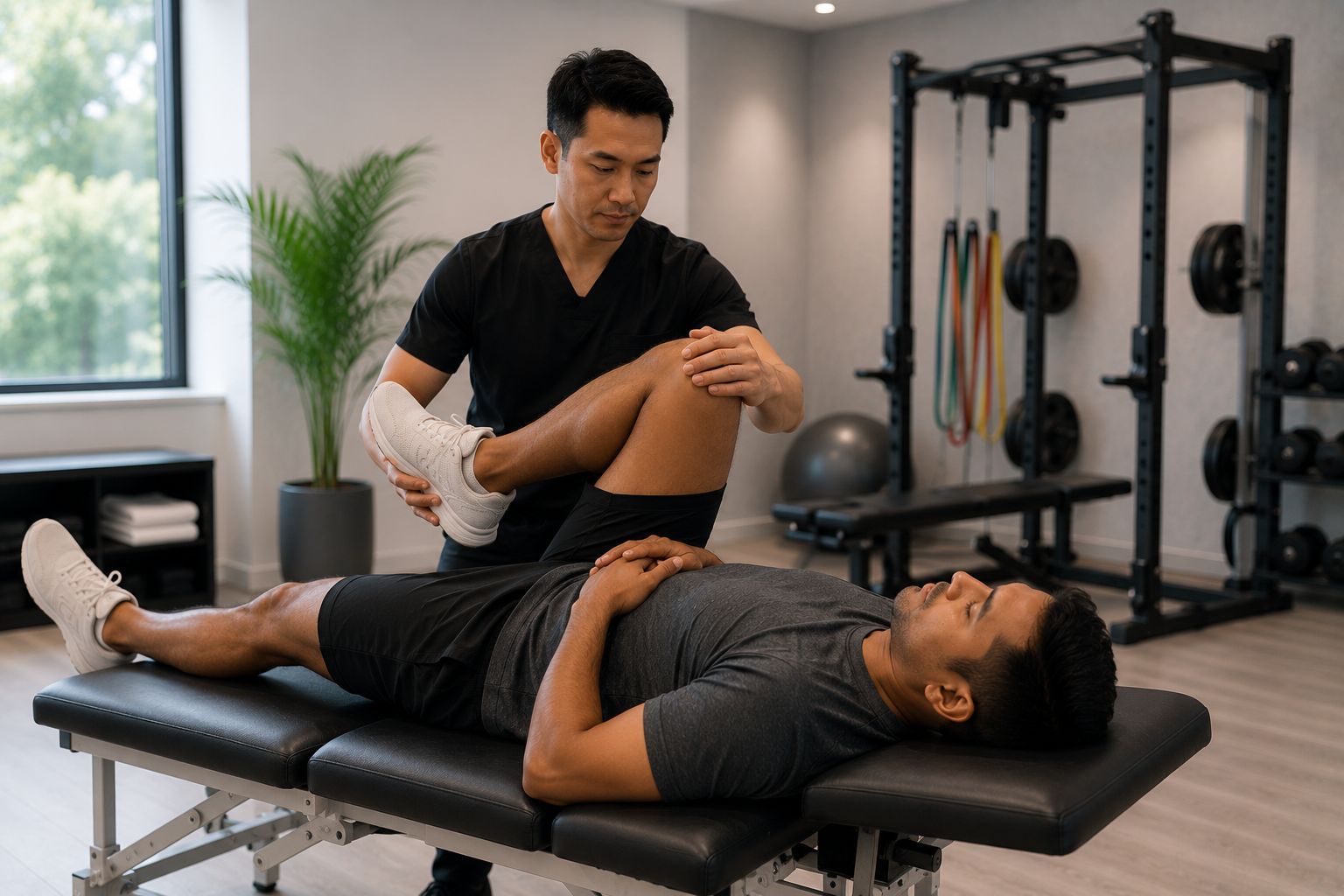
Every recovery process begins with a personalized physiotherapy assessment. During this first step, the physiotherapist looks at posture, joint mobility, muscle tension, strength, flexibility, movement patterns, and the specific activities that are aggravating the condition. This helps identify not only where the pain is felt, but why it keeps happening.
For many people, pain is only the surface issue. The real cause may involve poor mechanics, muscular imbalance, repetitive strain, deconditioning, limited mobility, or incomplete recovery from an earlier injury. A proper assessment allows treatment to be directed at the true problem instead of only the symptoms.
This is especially important for common conditions such as lower back pain treatment, neck pain treatment, shoulder pain treatment, and sciatica treatment. These problems often return when the deeper cause is not corrected. A personalized physiotherapy plan helps reduce pain while also improving movement quality, function, and long-term stability.
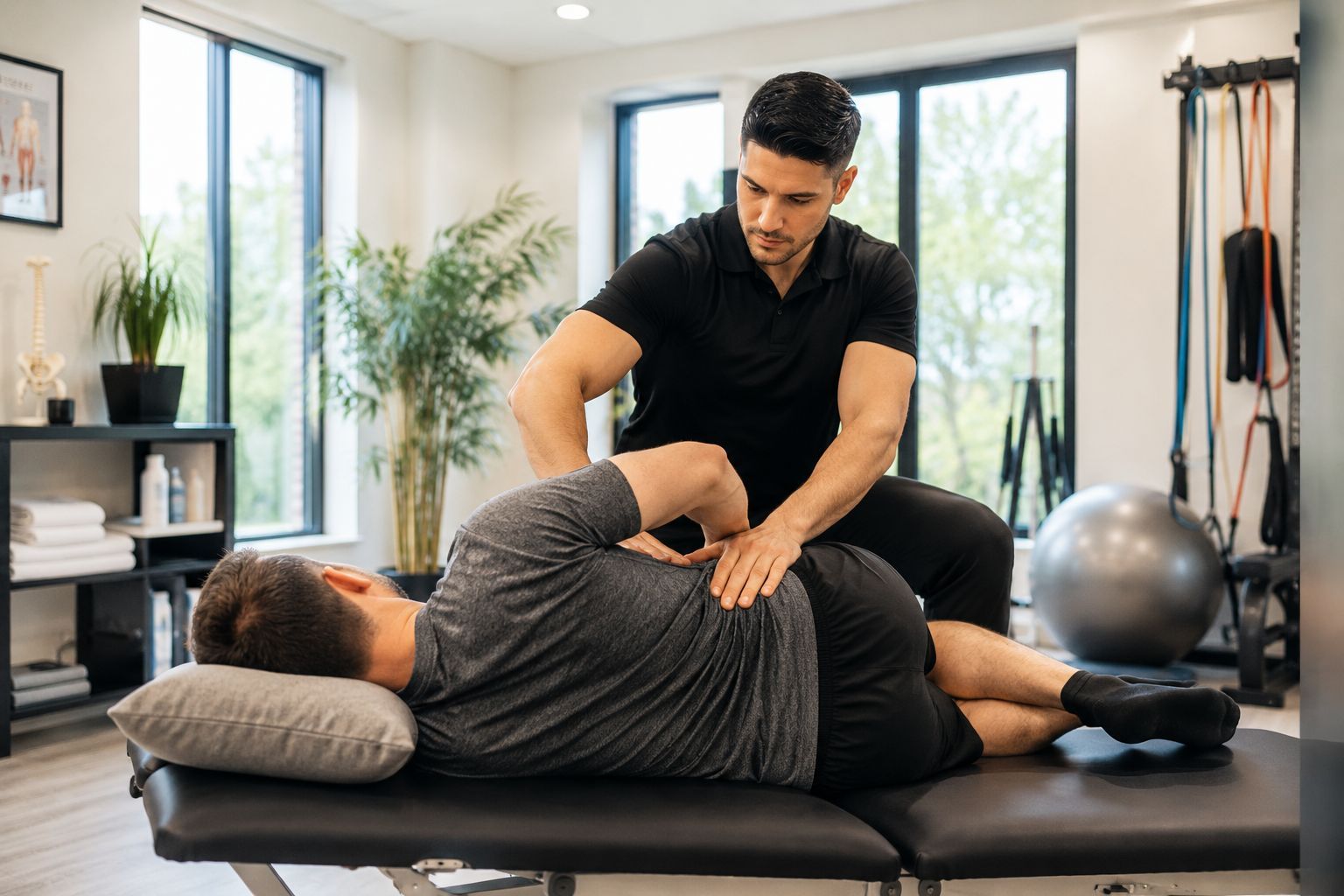
Treatment may include a combination of manual therapy, mobility work, stretching, strengthening, posture correction, exercise instruction, and activity modification. In some cases, additional modalities may be used to support recovery, but the core focus remains improving how the body moves and functions.
Why Guided Exercise Matters
Guided exercise is one of the most important parts of physiotherapy. Many people try exercises on their own, but not every exercise is right for every condition. In some cases, the wrong exercise can irritate symptoms further.
When exercises are selected and progressed properly, they can help restore mobility, build strength, improve control, and reduce the likelihood of recurrence. This is why exercise guidance should be based on assessment rather than guesswork.
Supporting Injury Recovery
Personalized physiotherapy is especially valuable for active adults and people recovering from injury. Whether the issue began through overuse, prolonged sitting, lifting, repetitive work, or sport, a structured plan helps the body recover more effectively.
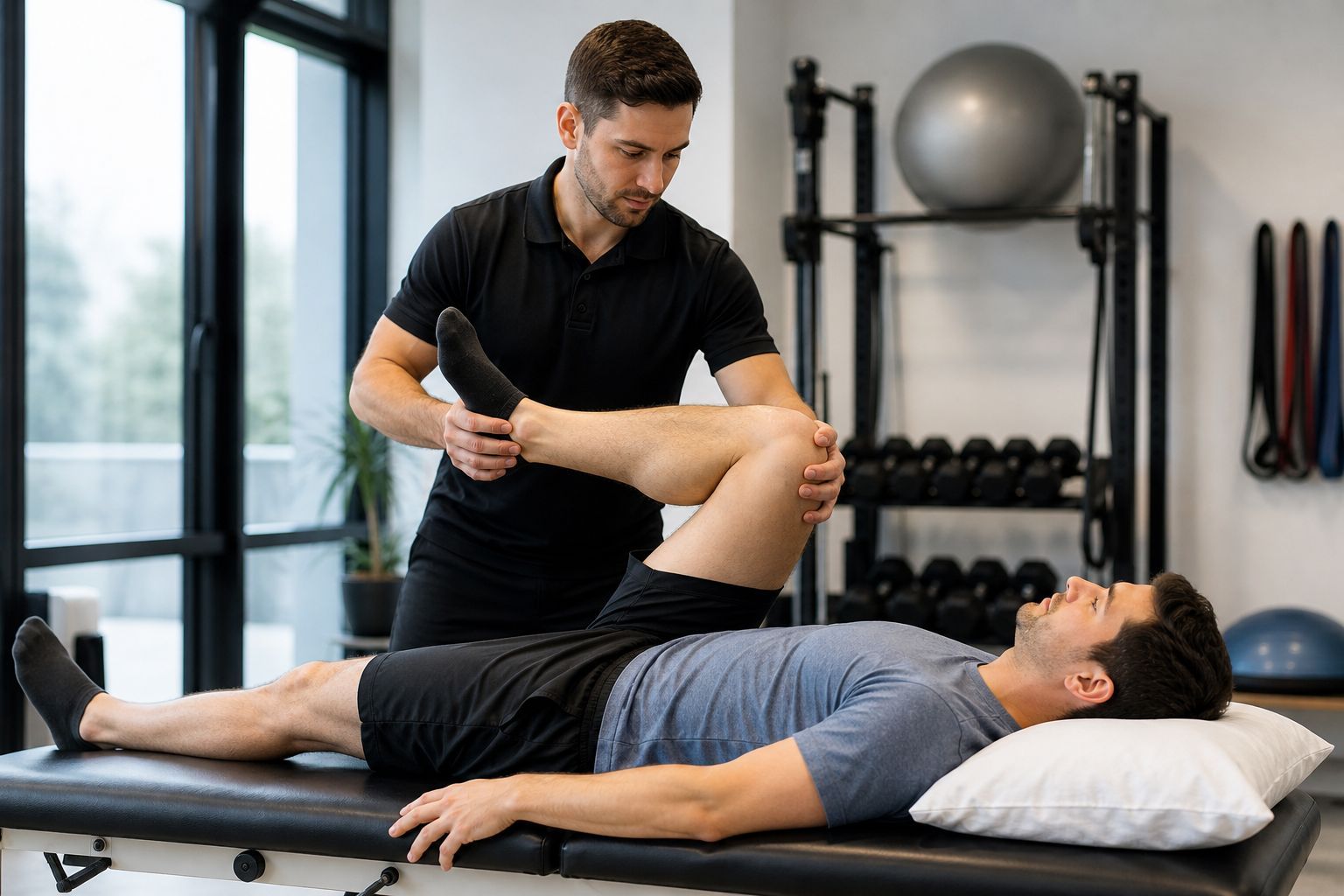
For patients dealing with activity-related injuries, sports injury rehabilitation can play an important role in returning to movement safely and confidently.
Recovery After Surgery or Longer-Term Pain
Personalized physiotherapy can also be beneficial after surgery or during longer recovery periods. Following surgery, injury, or extended inactivity, the body often needs more than rest. It needs guided progression.
Carefully planned rehab helps improve mobility, reduce stiffness, rebuild strength, and restore confidence in movement. For this reason, many patients benefit from post-surgical rehabilitation as part of a more complete recovery strategy.
Physiotherapy may also help people dealing with recurring pain, ongoing stiffness, or movement limitations. When symptoms continue to return, a more detailed plan may be needed to address strength, mobility, posture, and movement patterns together.
Why Education Is Part of Recovery
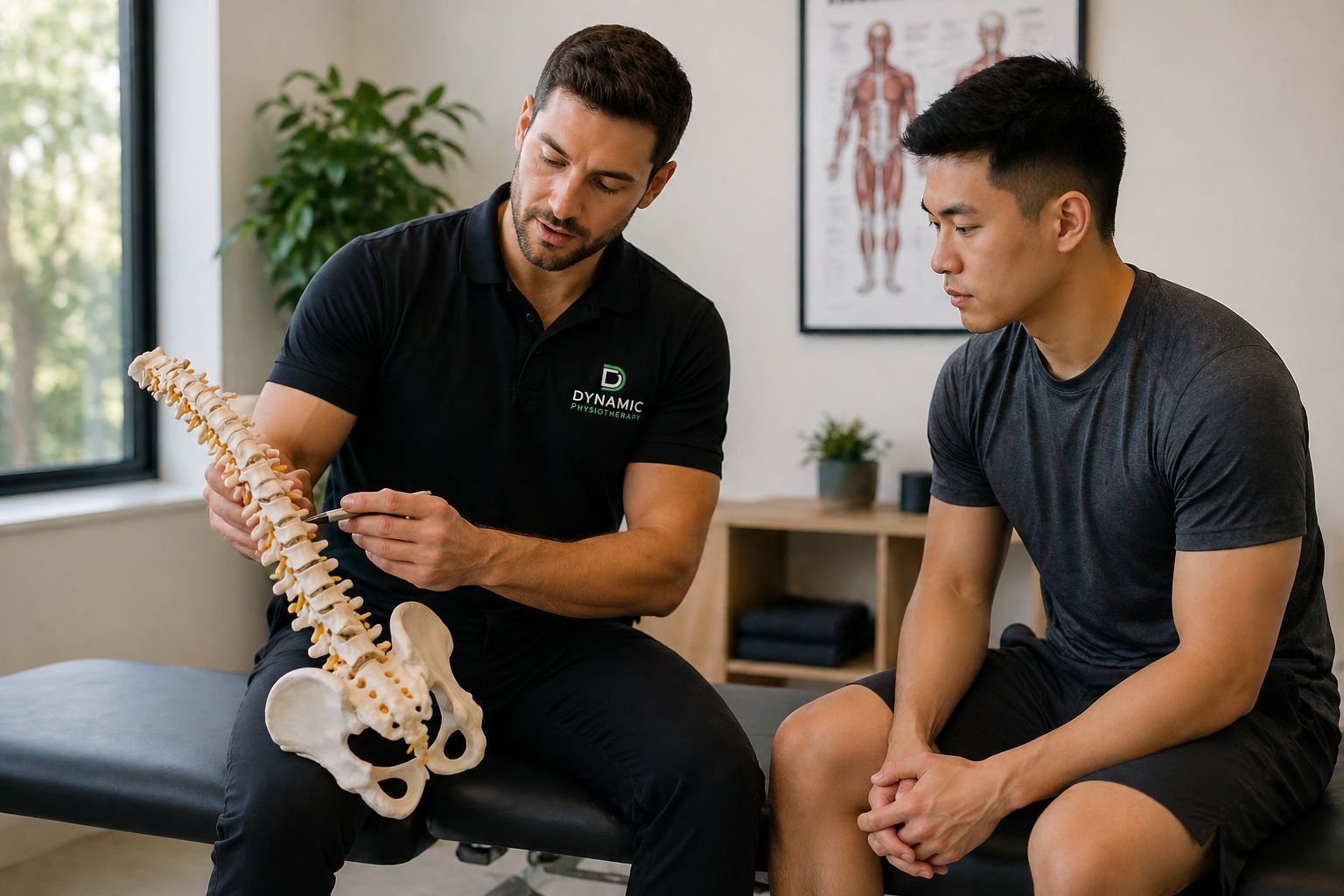
Another important benefit of physiotherapy is education. Recovery is not only about what happens during the appointment. It is also about understanding what is driving the problem, what activities may be contributing to it, and what changes can help support better long-term outcomes.
When patients understand their condition more clearly, they are often better able to participate in their recovery and maintain progress between visits.
A Personalized Plan for Better Movement
At Dynamic Physiotherapy & Sports Injury Clinic, treatment is designed to support both short-term relief and long-term improvement. The goal is not simply to help patients feel better for a day or two. The goal is to help them move better, function better, and reduce the chance that the same pain will keep returning.
If you are dealing with ongoing pain, limited movement, stiffness, or recurring discomfort, a structured physiotherapy plan may help you recover more effectively. Through personalized assessment and targeted treatment, physiotherapy can help address the source of the problem and support better long-term results.
If you are looking for physiotherapy in Mississauga, Dynamic Physiotherapy & Sports Injury Clinic is here to help. Our team provides personalized care designed to support recovery, improve movement, and help you return to daily activity with more confidence.
To get started, contact our clinic to book your assessment.
SHARE POST:
Leave a Comment:
Our Recent Post:





Contact Dynamic Physiotherapy & Sports Injury in Mississauga
For expert care and rehabilitation, contact Dynamic Physiotherapy & Sports Injury in Mississauga. Our dedicated team is ready to help you recover and achieve your health goals.