
Hip Pain When Climbing Stairs or Lying on Your Side? What to Notice
Hip Pain When Climbing Stairs or Lying on Your Side? What to Notice
Does the outside of your hip ache when you climb stairs? Do you find yourself turning over at night because lying on one side becomes uncomfortable?
When everyday movements and sleeping positions start bothering your hip, it can be difficult to know whether to rest, stretch or keep moving. Understanding the pattern is a useful first step—but symptoms alone cannot confirm the cause.
At Dynamic Physiotherapy & Sports Injury Clinic in Mississauga, we assess your symptoms, movement and activity demands to help determine what may be contributing to the discomfort. Your physiotherapy treatment plan is then tailored to your assessment findings and goals.
Where Do You Feel the Hip Pain?
“Hip pain” can describe discomfort in several different areas. You may notice it:
- Over the bony area on the outside of your hip.
- Deep in the groin or front of the hip.
- Around the buttock or lower back.
- Extending into the thigh.
These locations can involve different structures and treatment considerations. Pain near the hip can sometimes be related to the lower back, so an assessment may need to look beyond the area that feels sore.
For this article, we are focusing on outer-hip discomfort that becomes noticeable on stairs or when lying on your side.
Why Can Stairs Make Your Hip Hurt?
Climbing stairs asks your hip muscles to support and lift your body while helping control your pelvis and leg. If the tissues around the hip are sensitive or struggling with the demands placed on them, stepping up may become uncomfortable.
You might notice symptoms after increasing your walking, adding hills, returning to exercise or taking more stairs than usual. Sometimes the discomfort develops gradually without an obvious injury.
Pain around the outside of the hip may involve the gluteal tendons or nearby tissues. The term greater trochanteric pain syndrome, or GTPS, is sometimes used to describe this group of outer-hip symptoms. However, not every painful hip has this condition, and an assessment is needed before choosing treatment.
Why Does Lying on Your Side Become Uncomfortable?
Lying directly on a sore outer hip places pressure on the area. For some people, discomfort is also affected by how the upper leg rests when lying on the opposite side.
Notice whether:
- The pain starts soon after you lie down or builds during the night.
- One side is consistently more uncomfortable.
- Changing position reduces the discomfort.
- Symptoms are worse after a more active day.
If comfortable, try sleeping on your back or on the less painful side with a pillow supporting the upper leg between your knees. Avoid forcing a position that increases your symptoms.
Pain that repeatedly interrupts sleep deserves assessment, particularly if it is worsening or does not change with position.
What Should You Notice Before Your Appointment?
You do not need to diagnose the problem yourself. A few practical observations can help your physiotherapist understand it:
- Location: Where can you point to the discomfort?
- Timing: Did it begin suddenly or gradually?
- Activity: Is it worse going upstairs, downstairs, walking uphill or standing?
- Sleep: Which positions are uncomfortable?
- Recent changes: Have you increased exercise, walking or time on your feet?
- Other symptoms: Is there groin pain, lower back pain, tingling, numbness or weakness?
Also mention any fall, previous hip surgery or change in your ability to walk.
Our guide to why assessment matters before physiotherapy explains how these details help shape your care.
Should You Rest or Keep Moving?
The right balance depends on the cause and severity of your symptoms. Complete inactivity is not always helpful, but repeatedly pushing through increasing pain can make everyday activities harder.
While waiting for assessment, consider temporarily reducing activities that clearly aggravate the hip. For example:
- Break longer walks into shorter, manageable outings.
- Reduce repeated stair trips where practical.
- Use a handrail for support.
- Avoid leaning heavily onto one hip while standing.
- Change sleeping positions if direct pressure is uncomfortable.
Keep comfortable movement in your day where possible. If an activity produces a clear increase in symptoms that lasts afterward or disturbs your sleep, reduce the demand and discuss it with your physiotherapist.
Is Stretching Always the Answer?
Not necessarily. Some stretches place additional pressure or tension on sensitive outer-hip tissues.
If a stretch reproduces your pain or leaves the area more uncomfortable afterward, do not assume you need to push further. Your physiotherapist can help identify whether mobility work, strengthening, activity changes or another approach is appropriate.
Exercises should match your current ability and progress as your tolerance improves.
How Can Physiotherapy Help?
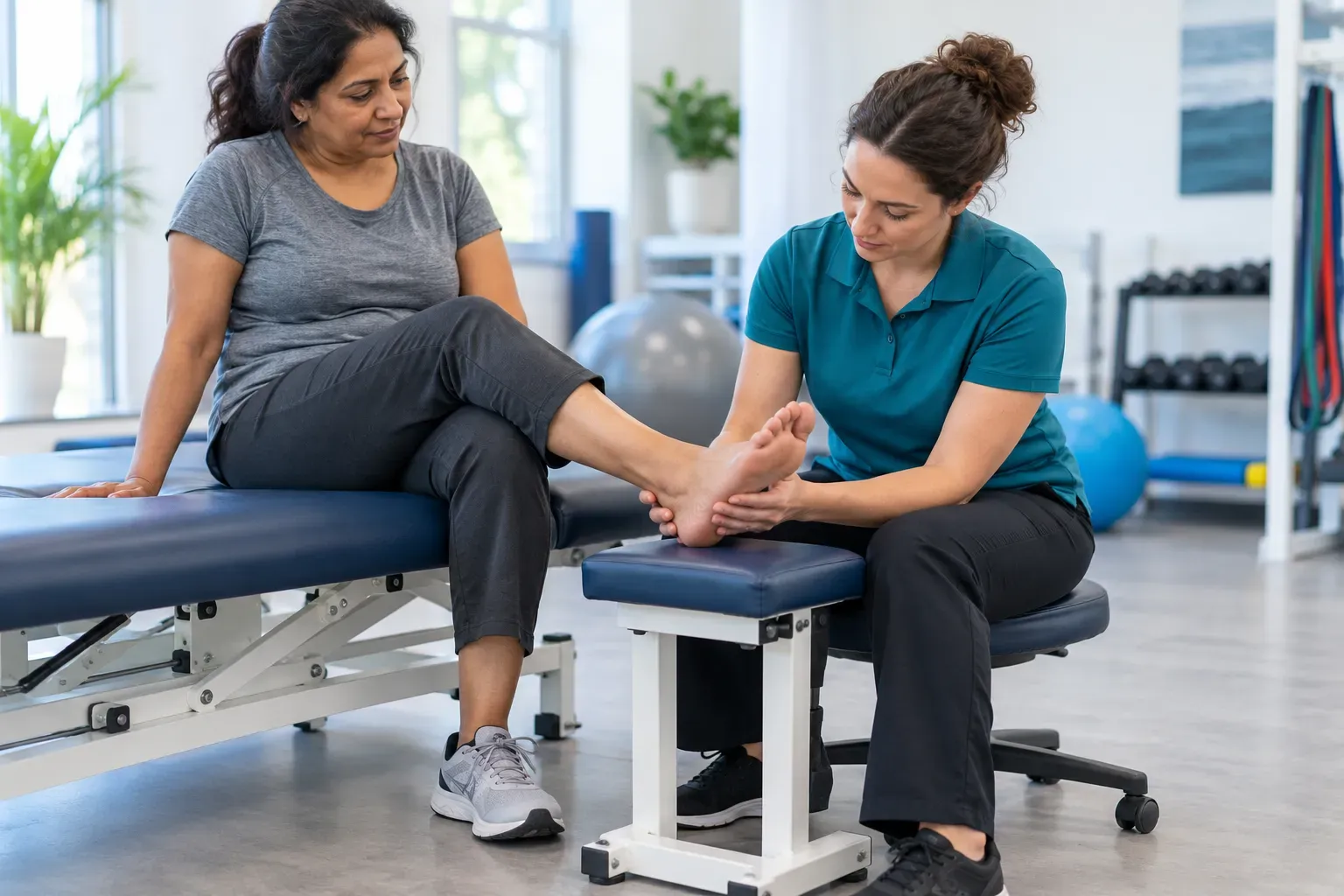
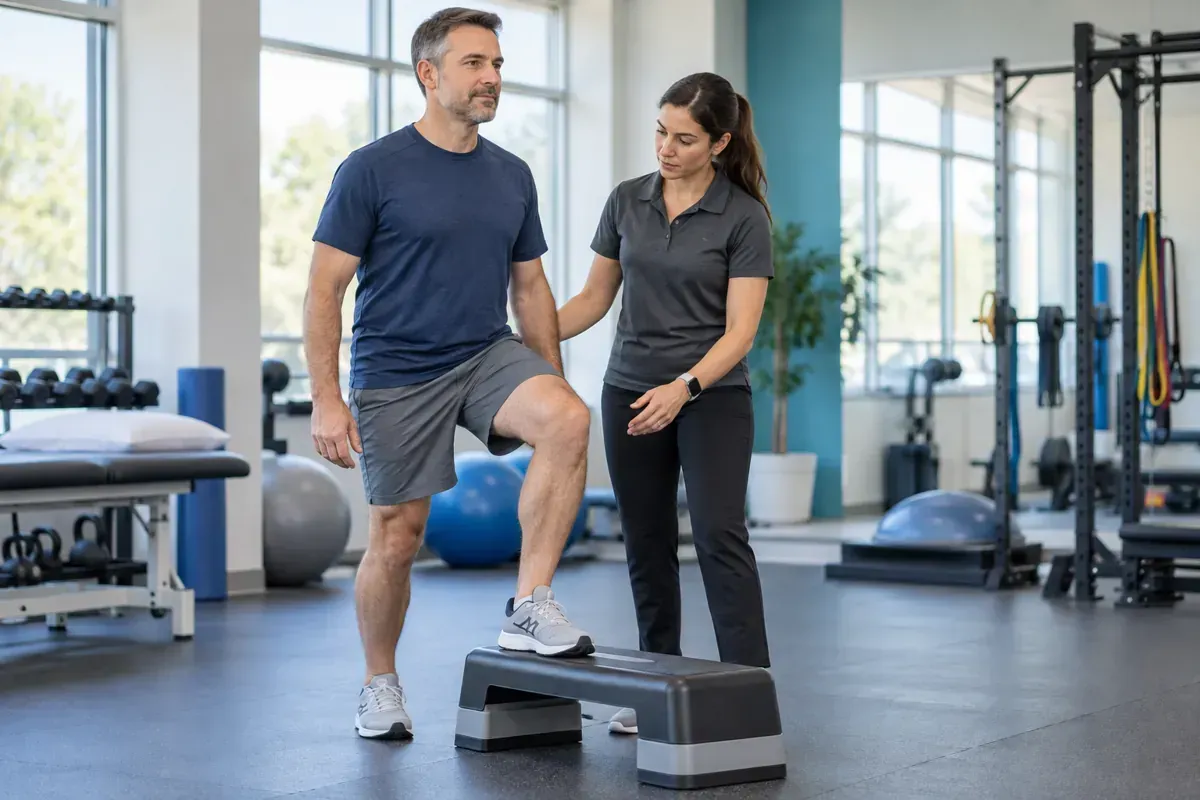
At Dynamic Physiotherapy, assessment may include hip and lower-back movement, muscle strength, walking, balance and the way you manage activities such as stepping up.
Depending on the findings, your plan may include:
- Education about activities and positions affecting your symptoms.
- Gradual strengthening of the hip and surrounding muscles.
- Movement guidance for stairs, walking and daily tasks.
- Appropriate mobility exercises.
- Hands-on treatment when indicated.
- A progressive return to exercise or other activities.
The aim is to improve your ability to manage everyday demands, with progress reviewed as treatment continues. Recovery time varies according to the underlying problem, your health and your response to rehabilitation.
When Should You Seek Medical Attention?
Seek urgent medical care if hip pain follows a fall or injury and you cannot bear weight, or if you have sudden severe pain, a hot or swollen hip, fever or feel generally unwell.
New numbness around the groin or saddle area, difficulty controlling your bladder or bowels, or rapidly worsening leg weakness requires emergency assessment.
Arrange an assessment if hip pain keeps returning, affects your sleep, limits normal activities or is getting worse.
Get Help With Hip Pain in Mississauga
You should not have to keep guessing which stretch or exercise might help when stairs and sleep become uncomfortable.
At Dynamic Physiotherapy & Sports Injury Clinic, we help you understand your symptoms and develop a rehabilitation plan suited to your needs.
Request a physiotherapy assessment at Dynamic to discuss your hip pain and your next steps.
Dynamic Physiotherapy & Sports Injury Clinic Inc.
89 Queensway West, Suite 100
Mississauga, Ontario
Phone: 905-273-5433
This article provides general information and does not replace an individual assessment or medical advice.
SHARE POST:
Leave a Comment:
Our Recent Post:







Contact Dynamic Physiotherapy & Sports Injury in Mississauga
For expert care and rehabilitation, contact Dynamic Physiotherapy & Sports Injury in Mississauga. Our dedicated team is ready to help you recover and achieve your health goals.