
Robert Wodz • September 7, 2024
Physiotherapy for TMJ Disorders Relief from Jaw Pain
Understanding TMJ Disorders and Jaw Pain
The temporomandibular joint (TMJ) is one of the most complex joints in the human body, connecting the jawbone (mandible) to the skull. This joint allows for the movements necessary for chewing, speaking, and yawning. However, when something goes wrong with the TMJ, it can lead to a group of conditions known as temporomandibular disorders (TMD), which cause pain and dysfunction in the jaw joint and the muscles controlling jaw movement.
TMJ disorders can be incredibly disruptive, leading to chronic pain, difficulty eating, and even headaches. The exact cause of TMJ disorders can be difficult to pinpoint, as they may result from a combination of factors such as genetics, arthritis, jaw injuries, or teeth grinding (bruxism). Regardless of the cause, the impact on a person's quality of life can be significant.
Common Symptoms of TMJ Disorders
TMJ disorders present a variety of symptoms, which can range from mild discomfort to severe pain. Common symptoms include:
Jaw Pain: The most common symptom, which may be localized to the joint itself or spread to surrounding areas.
Clicking or Popping Sounds: You may hear or feel a clicking or popping sound when you open or close your mouth.
Lockjaw: The jaw may get stuck in an open or closed position, making it difficult to move.
Ear Pain: Some people experience earaches or a sense of fullness in the ear, often without any ear-related issues.
Headaches: TMJ disorders can cause tension headaches, which are often mistaken for migraines.
Difficulty Chewing: Pain and dysfunction in the TMJ can make it difficult to chew food properly.
Facial Pain: The pain may radiate through the face, neck, and shoulders, creating widespread discomfort.
The Role of Physiotherapy in TMJ Disorder Treatment
Physiotherapy is an effective, non-invasive treatment option for managing TMJ disorders. Physiotherapists are trained to assess and treat the musculoskeletal components of TMJ disorders, helping to reduce pain, restore function, and improve the quality of life for those affected by these conditions.
How Physiotherapy Helps TMJ Disorders:
Pain Relief: Through various modalities physiotherapists can alleviate muscle tension, reduce inflammation, and provide immediate pain relief.
Improved Jaw Function: Physiotherapy exercises are designed to strengthen the muscles around the TMJ, improve joint mobility, and restore proper alignment, allowing for smoother, pain-free jaw movements.
Reduction of Muscle Tension: Many TMJ disorders are associated with muscle tension in the jaw, neck, and shoulders. Physiotherapy can help relax these muscles and reduce the strain on the TMJ.
Education and Self-Management: Physiotherapists provide valuable advice on lifestyle modifications, such as avoiding hard or chewy foods, managing stress, and practicing good posture, which can help prevent the recurrence of TMJ symptoms.
Common Physiotherapy Techniques for TMJ Disorders
Physiotherapy for TMJ disorders involves a combination of techniques tailored to the specific needs of each patient. At Dynamic Physiotherapy in Mississauga, our approach includes:
1. Physical Modalities: Modalities designed to reduce pain and inflammation are used to help TMJ and surrounding soft tissues. This may include gentle stretching, joint mobilizations, and massage to reduce pain and improve joint function. By applying these techniques, physiotherapists can help realign the jaw, reduce inflammation, and release muscle tension.
2. Therapeutic Exercises: Therapeutic exercises are crucial in restoring the normal function of the TMJ. These exercises are designed to improve the strength and flexibility of the jaw muscles, enhance coordination, and correct any movement imbalances. Common exercises include:
Jaw Strengthening: Exercises that target the muscles responsible for opening and closing the jaw, helping to restore proper function.
Stretching: Gentle stretches to improve the range of motion in the TMJ and reduce muscle tightness.
Posture Correction: Exercises that focus on improving head and neck posture, as poor posture can contribute to TMJ disorders.
3. Modalities such as Electro-Acuscope: Electro-Acuscope uses micro-current to penetrate deep into the tissues, promoting healing and reducing inflammation. This therapy is often used as part of a comprehensive treatment plan for TMJ disorders, particularly in cases of chronic pain.
5. Acupuncture and Dry Needling: These techniques involve the insertion of fine needles into specific points on the body to relieve pain and improve muscle function. Acupuncture and dry needling can be particularly effective in treating TMJ disorders, as they help reduce muscle tension and improve blood flow to the affected area.
The Benefits of Physiotherapy for TMJ Disorders
Physiotherapy offers numerous benefits for those suffering from TMJ disorders:
1. Non-Invasive Treatment: Physiotherapy is a non-invasive treatment option that avoids the need for surgery or medication. This makes it a safe and effective choice for many patients, particularly those who prefer to manage their condition without resorting to invasive procedures.
2. Customized Treatment Plans: Every TMJ disorder is unique, and physiotherapy allows for personalized treatment plans tailored to your specific symptoms and needs. Your physiotherapist will work closely with you to develop a plan that addresses the root cause of your TMJ disorder, ensuring the best possible outcomes.
3. Long-Term Relief: Physiotherapy not only provides immediate relief from TMJ pain but also helps prevent the recurrence of symptoms. By addressing the underlying issues, such as muscle imbalances or poor posture, physiotherapy promotes long-term recovery and reduces the risk of future flare-ups.
4. Improved Quality of Life: TMJ disorders can significantly impact your quality of life, making it difficult to eat, speak, and even sleep comfortably. Physiotherapy can help restore your jaw function, reduce pain, and improve your overall well-being, allowing you to enjoy a better quality of life.
What to Expect During Physiotherapy for TMJ Disorders
At Dynamic Physiotherapy in Mississauga, we begin with a thorough assessment to understand the severity of your TMJ disorder and the specific factors contributing to your symptoms. This may include:
Physical Examination: A detailed examination of the jaw, neck, and shoulders to assess muscle function, joint mobility, and posture.
Patient History: Discussion of your medical history, lifestyle, and any previous treatments to understand the context of your TMJ disorder.
Diagnosis: Identification of the specific type of TMJ disorder you are experiencing, such as muscle-related, joint-related, or a combination of both.
Based on this assessment, we will develop a personalized treatment plan that may include a combination of the techniques mentioned earlier. Throughout your treatment, we will monitor your progress and make any necessary adjustments to ensure you achieve the best possible results.
Real Patient Experiences: Success Stories with TMJ Physiotherapy
At Dynamic Physiotherapy, we have helped many patients overcome the challenges of TMJ disorders and regain control over their lives. Here’s a success story from one of our patients:
"I had been dealing with jaw pain and headaches for months, and nothing seemed to help. When I visited Dynamic Physiotherapy, they quickly identified the root cause of my TMJ disorder and developed a treatment plan that included manual therapy and exercises. Within a few sessions, my pain started to decrease, and my jaw function improved significantly. I’m now pain-free and couldn’t be happier with the care I received!"
Who Can Benefit from Physiotherapy for TMJ Disorders?
Physiotherapy is suitable for anyone experiencing TMJ-related pain or dysfunction, including:
Individuals with Jaw Pain: Whether your pain is mild or severe, physiotherapy can help alleviate symptoms and improve jaw function.
Those with Chronic TMJ Disorders: If you’ve been dealing with TMJ issues for an extended period, physiotherapy offers a safe and effective way to manage your condition.
Patients Who Want to Avoid Surgery: If you’re looking for a non-invasive treatment option for TMJ disorders, physiotherapy is an excellent choice.
People with Associated Symptoms: If your TMJ disorder is causing headaches, ear pain, or facial discomfort, physiotherapy can address these related symptoms and improve your overall well-being.
Why Choose Dynamic Physiotherapy for TMJ Treatment?
At Dynamic Physiotherapy in Mississauga, we are committed to providing exceptional care for patients with TMJ disorders. Our experienced physiotherapists are skilled in treating a wide range of TMJ-related conditions and use the latest techniques to ensure effective and lasting results.
What We Offer:
Experienced Team: Our physiotherapists have extensive experience in diagnosing and treating TMJ disorders. We stay up-to-date with the latest research and treatment methods to provide the best care possible.
Comprehensive Approach: We take a holistic approach to TMJ treatment, addressing not just the symptoms but also the underlying causes of your condition. This ensures long-term relief and improved quality of life.
Patient-Centered Care: We prioritize your comfort and well-being throughout your treatment journey. Our team is dedicated to providing personalized care and support every step of the way.
Conclusion: Regain Control Over Your Jaw Health with Physiotherapy
TMJ disorders can be challenging to live with, but with the right treatment, you can find relief and restore your quality of life. Physiotherapy offers a non-invasive, effective solution for managing TMJ pain and dysfunction. At Dynamic Physiotherapy in Mississauga, we’re here to help you overcome your TMJ disorder and get back to living pain-free.
If you’re struggling with TMJ pain, don’t wait—contact Dynamic Physiotherapy today to schedule a consultation and learn more about how physiotherapy can help you. Take the first step towards better jaw health and improved well-being!
SHARE POST:
Leave a Comment:
Our Recent Post:

Learn why hip pain may affect walking and standing and how physiotherapy assessment in Mississauga examines mobility, strength and movement control.

Learn why elbow pain may persist during gripping and lifting, what physiotherapy assessment examines, and how rehabilitation may support recovery.

Learn why knee pain may worsen on stairs and how physiotherapy assessment in Mississauga examines strength, mobility and movement control.
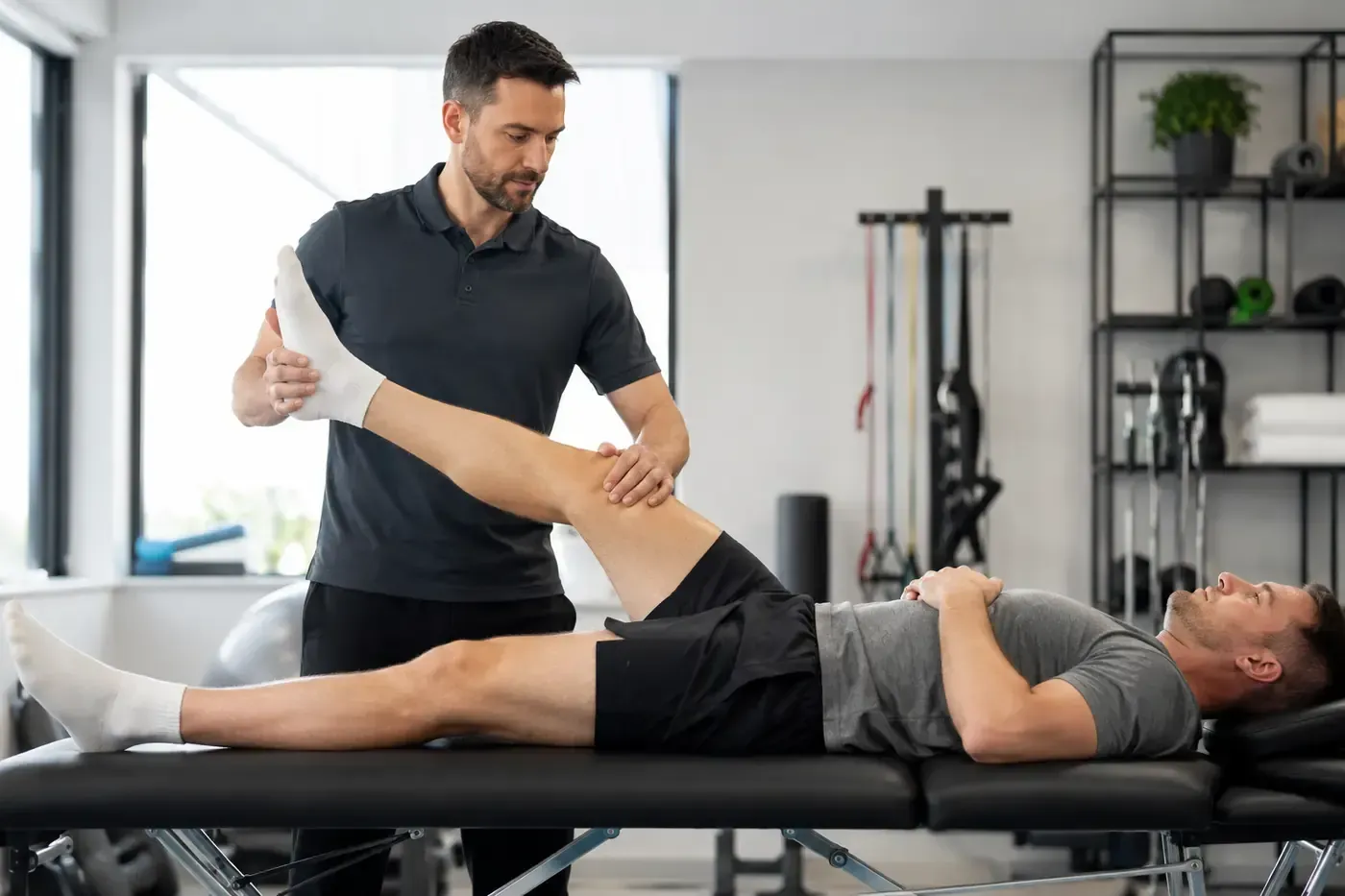
Learn why sciatica symptoms may travel from the lower back into the leg and how physiotherapy assessment in Mississauga can guide rehabilitation.
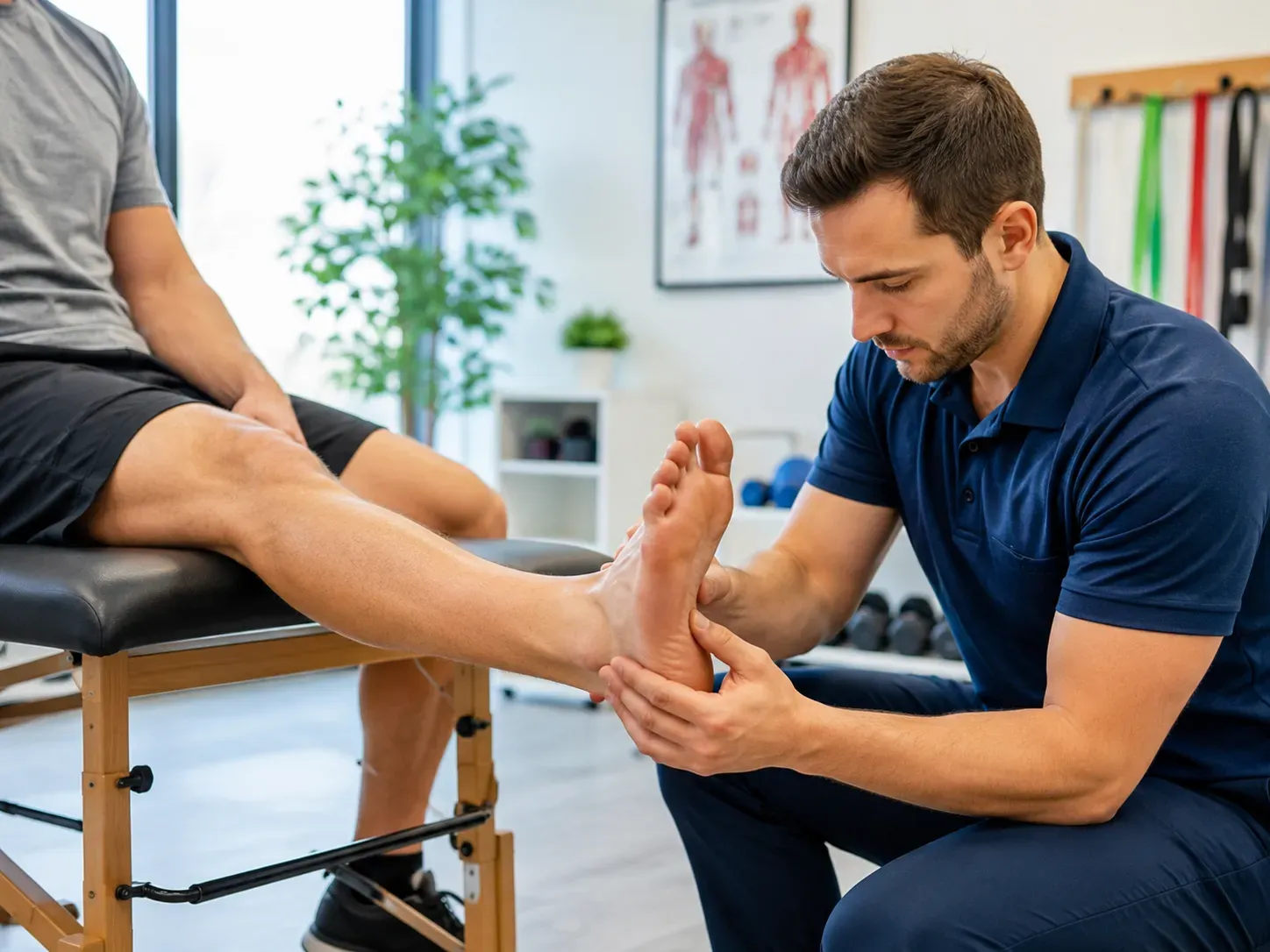
Learn why plantar fasciitis and heel pain can keep returning and how physiotherapy, Shockwave Therapy, exercise and foot support may help recovery.
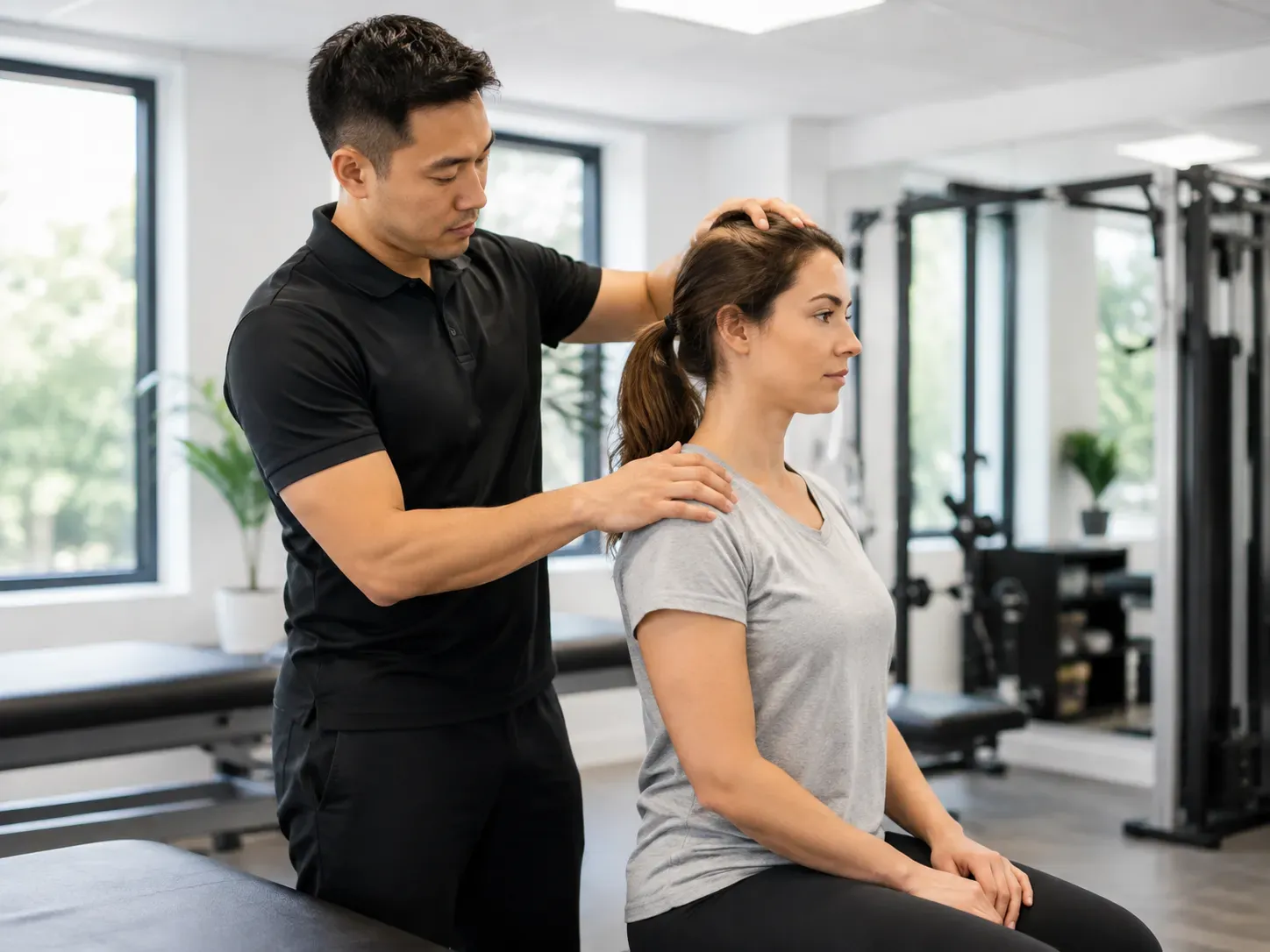
Learn how neck and shoulder pain can be connected through posture, mobility, muscle tension and movement patterns, and how physiotherapy assessment may help.

Learn why core and pelvic control can matter during lower back pain recovery and how personalized physiotherapy in Mississauga can support movement and function.

Learn how registered massage therapy may help reduce muscle tension, support mobility and complement rehabilitation at Dynamic Physiotherapy in Mississauga.

Contact Dynamic Physiotherapy & Sports Injury in Mississauga
For expert care and rehabilitation, contact Dynamic Physiotherapy & Sports Injury in Mississauga. Our dedicated team is ready to help you recover and achieve your health goals.