
Robert Wodz • January 27, 2025
The Connection Between Poor Posture and Chronic Pain: How Physiotherapy Can Help
Chronic pain is a common problem that affects millions of people, impacting their quality of life
and ability to perform daily activities. While many factors contribute to chronic pain, poor posture
is often overlooked as a primary cause. Whether it’s prolonged sitting at a desk, improper lifting
techniques, or the way you stand, poor posture can place unnecessary stress on your muscles
and joints, leading to discomfort and long-term pain.
At Dynamic Physiotherapy in Mississauga, we specialize in addressing the root causes of
chronic pain, including posture-related issues. Through personalized physiotherapy programs,
we help patients improve their posture, relieve pain, and prevent future problems. In this blog,
we’ll explore how poor posture contributes to chronic pain, the most common posture-related
issues, and how physiotherapy can help.
How Poor Posture Leads to Chronic Pain
Your posture is the way you hold your body while sitting, standing, or lying down. Good posture
aligns your bones and muscles properly, minimizing strain on your body. Poor posture, on the
other hand, disrupts this alignment, leading to uneven distribution of weight and increased
pressure on certain areas. Over time, this can cause:
● Muscle Imbalances: Poor posture often leads to tightness in some muscles and
weakness in others, creating imbalances that contribute to pain and dysfunction.
● Joint Strain: Misaligned posture places additional stress on joints, leading to conditions
such as arthritis or joint pain.
● Compressed Nerves: Slouching or forward head posture can compress nerves in the
neck and back, causing pain, numbness, or tingling.
● Reduced Circulation: Improper posture can restrict blood flow, slowing the delivery of
oxygen and nutrients to tissues and impairing healing.
Common Pain Points Caused by Poor Posture
Certain areas of the body are more prone to posture-related pain. Here are some of the most
common pain points:
● Neck and Shoulders: Forward head posture, often caused by prolonged screen time,
strains the neck and shoulder muscles, leading to tension headaches and discomfort.
● Lower Back: Sitting for extended periods or slouching places excessive pressure on the
lumbar spine, causing lower back pain.
● Hips: Poor sitting posture can tighten the hip flexors and weaken the glutes, contributing
to hip pain and reduced mobility.
● Knees: Misalignment in posture can alter your gait, increasing strain on the knees and
leading to chronic pain.
● Upper Back: Rounded shoulders and a slouched upper back can lead to stiffness and
pain in the thoracic spine.
Signs Your Pain Might Be Posture-Related
Not all chronic pain is due to poor posture, but there are telltale signs that indicate posture might
be the culprit. These include:
● Pain that worsens after sitting or standing for long periods.
● Muscle stiffness or tightness, particularly in the neck, shoulders, or lower back.
● Numbness or tingling in the arms or legs.
● Frequent tension headaches.
● Fatigue or discomfort after maintaining a certain position for an extended time.
If you’re experiencing any of these symptoms, it’s essential to have your posture evaluated by a
physiotherapist.
How Physiotherapy Helps Correct Posture and Relieve Pain
Physiotherapy is one of the most effective ways to address posture-related chronic pain. At
Dynamic Physiotherapy, our approach focuses on identifying the root cause of your pain and
developing a personalized treatment plan to improve your posture and overall function. Here’s
how physiotherapy helps:
1. Postural Assessment:
Your physiotherapist will perform a thorough evaluation of your posture, identifying
misalignments and areas of strain. This assessment helps pinpoint the root cause of
your pain.
2. Customized Exercise Programs:
Physiotherapists design exercise programs tailored to your specific needs, focusing on
strengthening weak muscles and stretching tight ones to restore balance.
3. Manual Therapy:
Hands-on techniques, such as joint mobilization and myofascial release, help alleviate
pain and improve mobility in areas affected by poor posture.
4. Education and Ergonomics:
Your physiotherapist will educate you on proper posture and ergonomics, providing
practical tips to maintain good posture at work, home, and during daily activities.
5. Core Strengthening:
A strong core is essential for maintaining proper posture. Physiotherapists guide patients
through core-strengthening exercises to support the spine and reduce strain on the back
and neck.
6. Pain Relief Techniques:
Physiotherapy may include modalities such as ultrasound therapy, heat/cold therapy, or
acupuncture to provide immediate pain relief while addressing the underlying cause.
7. Movement Retraining:
Poor posture often stems from habitual movement patterns. Physiotherapists work with
patients to retrain these patterns, ensuring proper alignment and reduced stress on the
body.
The Benefits of Addressing Posture Through Physiotherapy
Correcting posture-related issues through physiotherapy offers numerous benefits, including:
● Pain Relief: Targeting the root cause of pain ensures long-lasting relief.
● Improved Mobility: Restoring proper alignment enhances your ability to move freely
and comfortably.
● Increased Strength and Stability: Strengthening postural muscles reduces the risk of
future injuries.
● Enhanced Energy Levels: Good posture reduces unnecessary muscle strain, leaving
you feeling more energized.
● Prevention of Chronic Conditions: Addressing poor posture early can prevent
long-term issues, such as degenerative joint disease or chronic back pain.
Practical Tips to Improve Your Posture
While physiotherapy is a vital component of posture correction, there are steps you can take to
improve your posture in daily life:
● Sit Properly: Ensure your chair supports your lower back, and keep your feet flat on the
floor. Avoid crossing your legs.
● Take Breaks: Avoid sitting or standing in one position for too long. Take regular breaks
to stretch and move around.
● Adjust Your Workspace: Position your computer screen at eye level and use an
ergonomic chair and keyboard.
● Strengthen Your Core: Incorporate exercises like planks or bridges to support your
spine.
● Be Mindful: Pay attention to your posture throughout the day, especially while working,
driving, or using your phone.
Why Choose Dynamic Physiotherapy for Posture Correction?
At Dynamic Physiotherapy in Mississauga, we are dedicated to helping patients overcome
posture-related pain and achieve optimal health. Our experienced physiotherapists use
evidence-based techniques to provide personalized care tailored to your needs. Whether you’re
dealing with chronic pain, stiffness, or mobility issues, we can help you improve your posture
and enhance your quality of life.
Take the First Step Toward Better Posture Today
Don’t let poor posture keep you in pain. Contact Dynamic Physiotherapy in Mississauga to book
an assessment with our expert physiotherapists. Together, we’ll develop a customized treatment
plan to relieve your pain, improve your posture, and help you live a more active, pain-free life.
Call us today or visit our website to schedule your appointment!
SHARE POST:
Leave a Comment:
Our Recent Post:

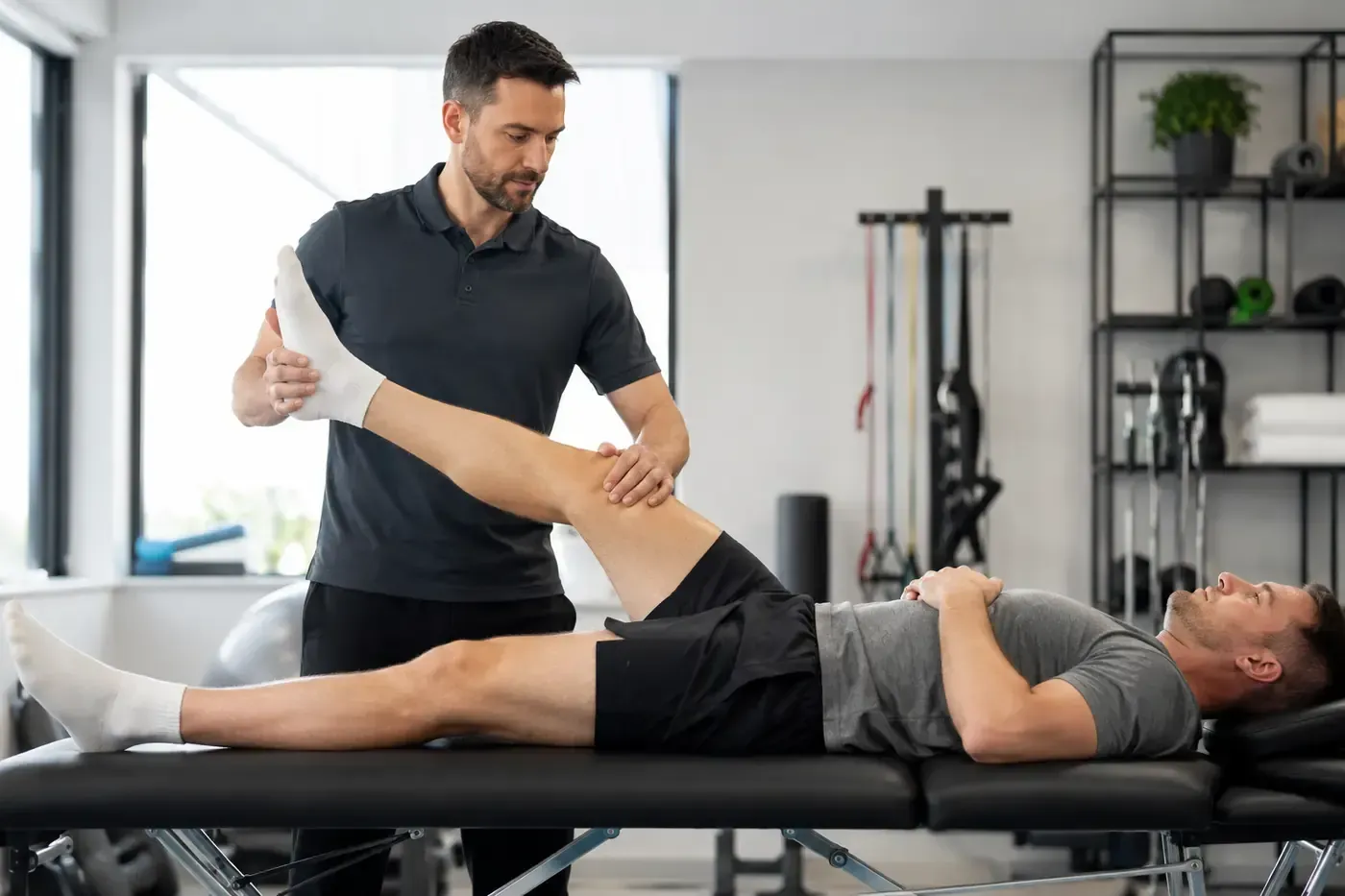
Learn why knee pain may worsen on stairs and how physiotherapy assessment in Mississauga examines strength, mobility and movement control.
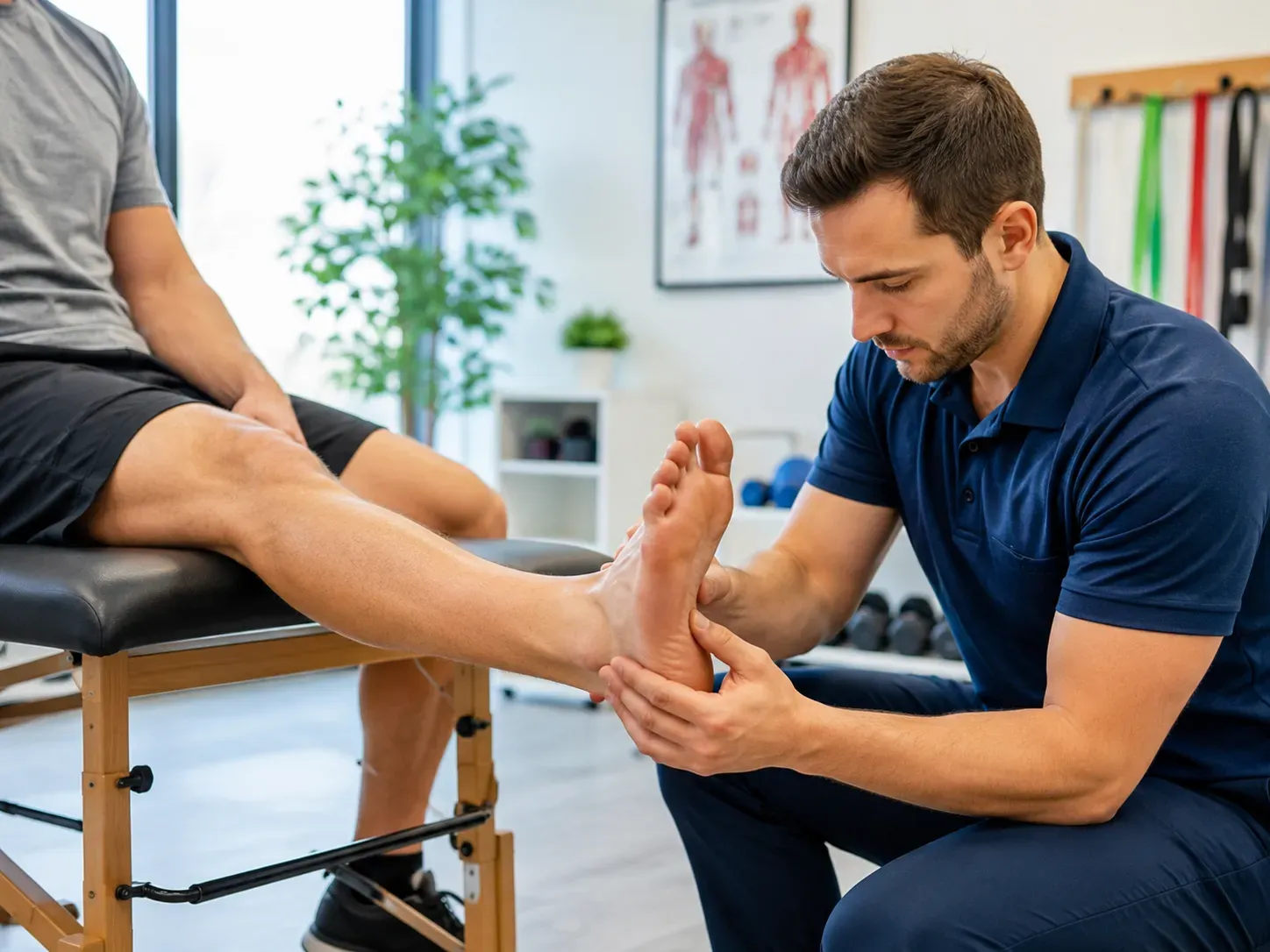
Learn why sciatica symptoms may travel from the lower back into the leg and how physiotherapy assessment in Mississauga can guide rehabilitation.
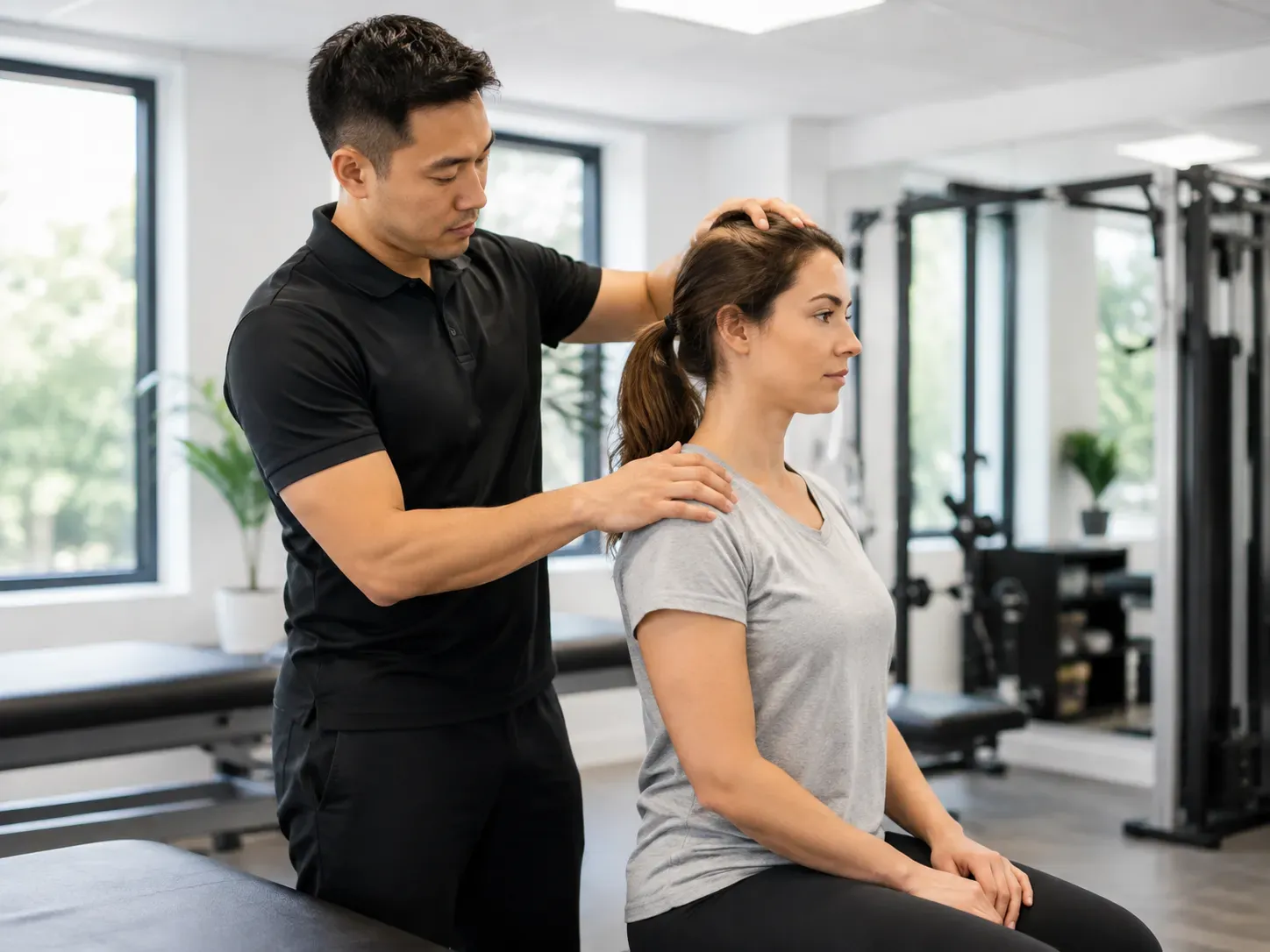
Learn why plantar fasciitis and heel pain can keep returning and how physiotherapy, Shockwave Therapy, exercise and foot support may help recovery.
Learn how neck and shoulder pain can be connected through posture, mobility, muscle tension and movement patterns, and how physiotherapy assessment may help.

Learn why core and pelvic control can matter during lower back pain recovery and how personalized physiotherapy in Mississauga can support movement and function.
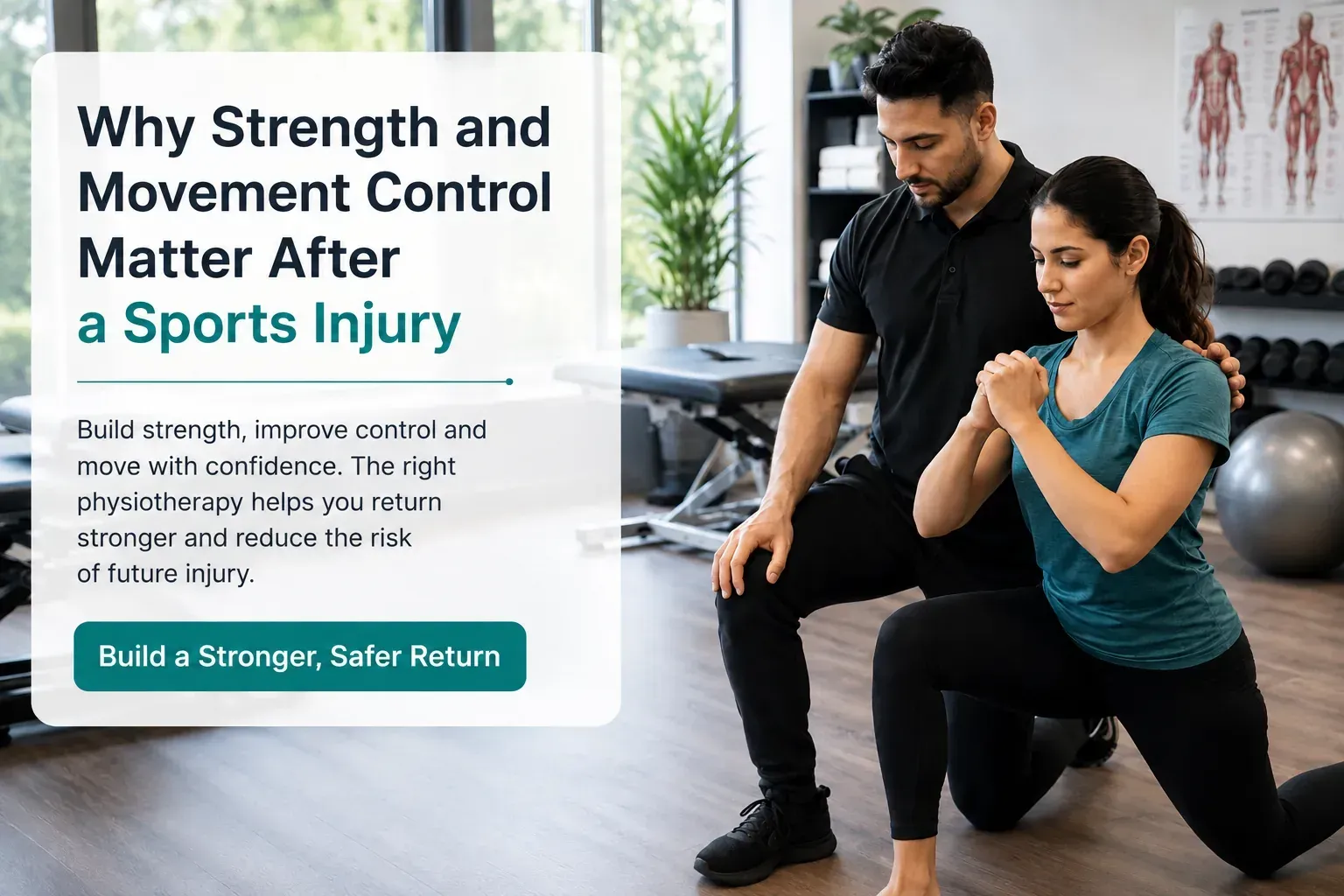
Learn how registered massage therapy may help reduce muscle tension, support mobility and complement rehabilitation at Dynamic Physiotherapy in Mississauga.
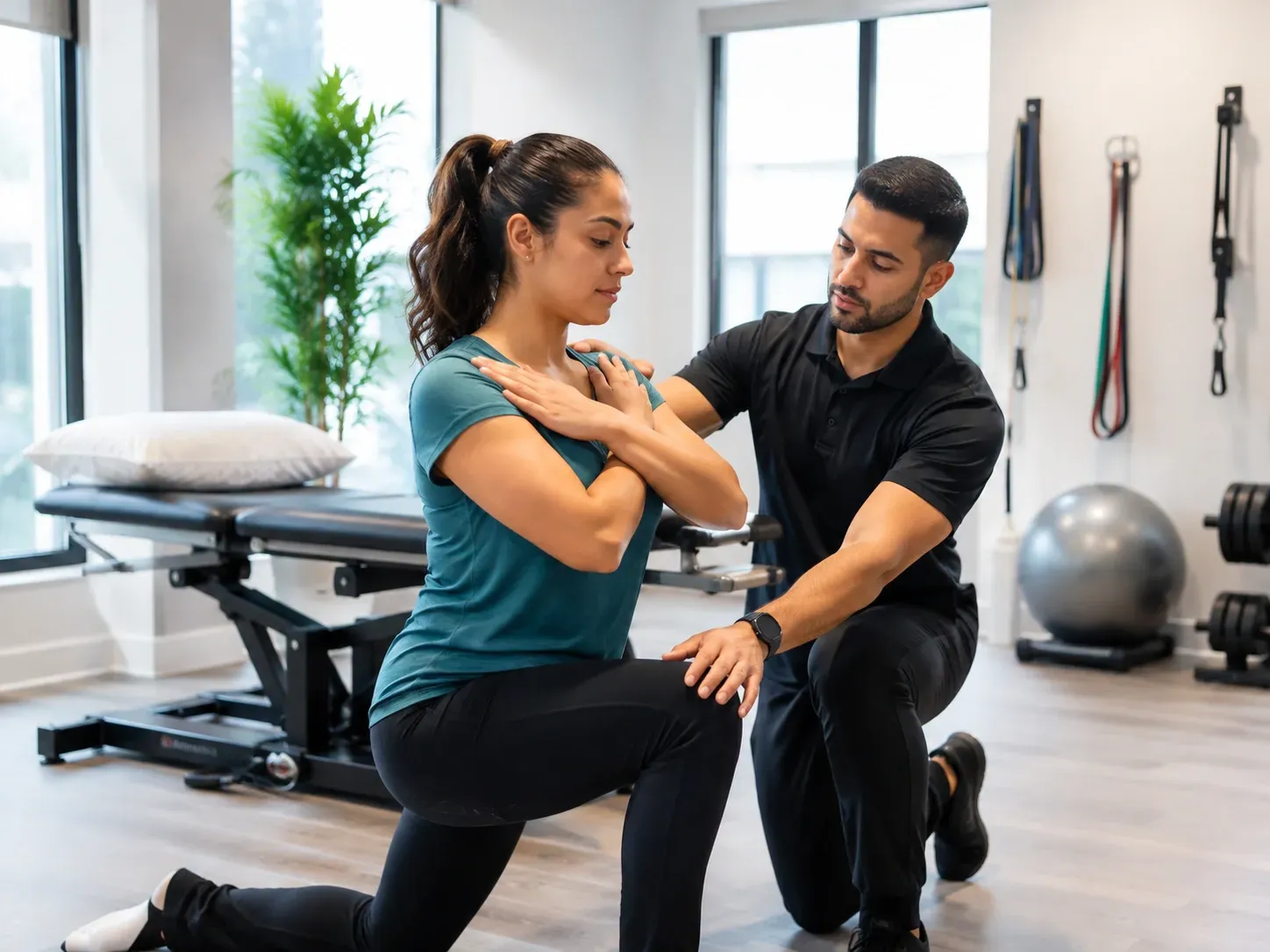
Learn why strength, balance and movement control matter after a sports injury and how physiotherapy can support a safer return to activity.
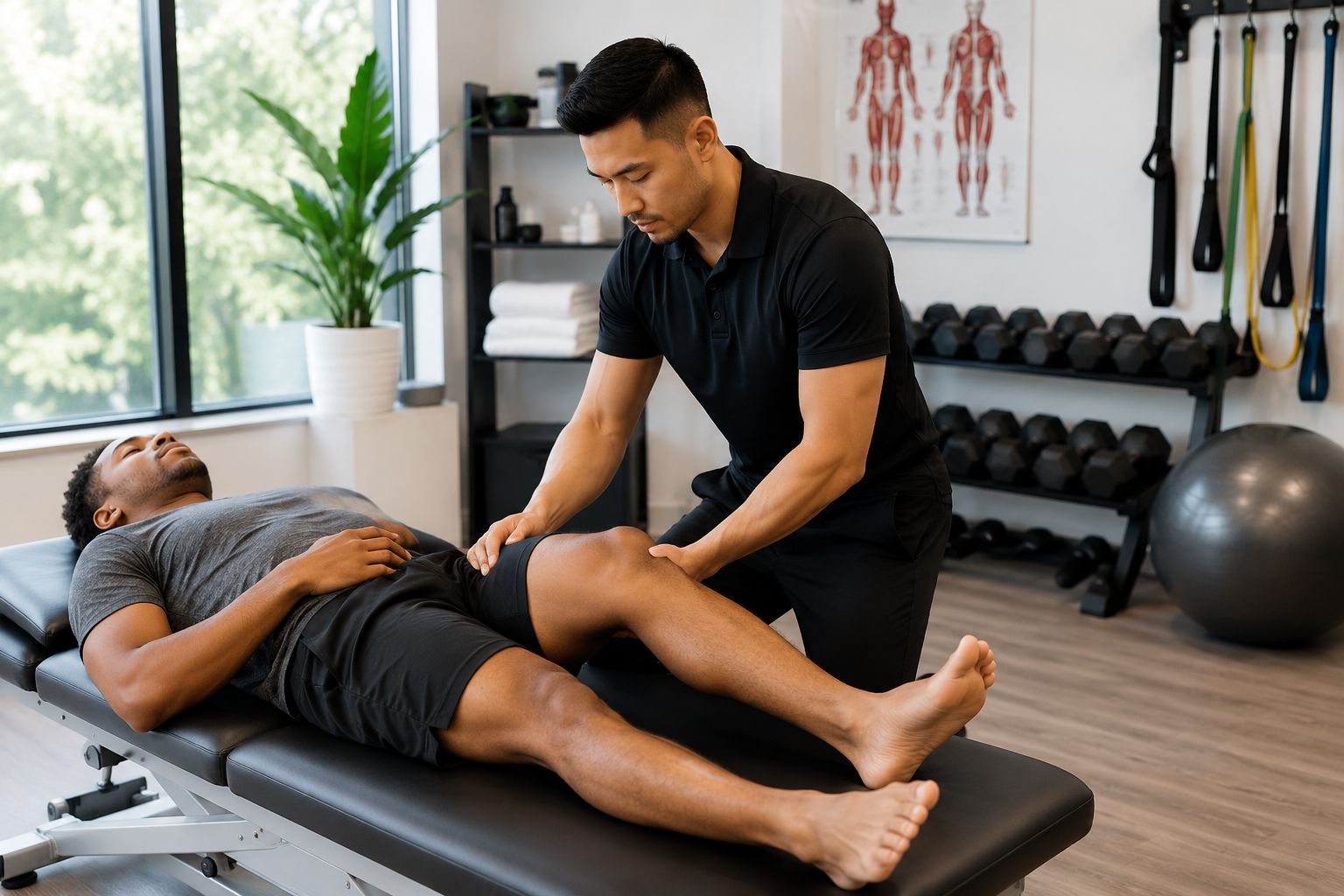
Learn how limited hip mobility may affect the knee, lower back, walking and everyday movement, and how physiotherapy assessment can guide recovery.

Contact Dynamic Physiotherapy & Sports Injury in Mississauga
For expert care and rehabilitation, contact Dynamic Physiotherapy & Sports Injury in Mississauga. Our dedicated team is ready to help you recover and achieve your health goals.